Follow Beinsure
The US National Highway Traffic Safety Administration said Monday it closed its investigation into nearly 2.6 mn Tesla vehicles over a feature allowing users to move cars remotely, after concluding the issue was tied only to low-speed incidents.
The agency opened the probe in early 2025 over the Actually Smart Summon feature following reports of several crashes.
The system lets users move a vehicle short distances in parking areas or on private property through a smartphone app.
Tesla Smart Summon (often updated as “Actually Smart Summon” or A.S.S.) is a Tesla mobile app feature allowing a driver to call their car from a parking space to their location, or to a specific target within a ~250-foot (65-meter) range.
It uses vehicle cameras to navigate parking lots, requiring the user to hold down a button in the app to keep the car moving
NHTSA said the feature was linked mainly to low-speed incidents involving minor property damage. The agency said it had reports covering about 100 crashes, with no injuries and no deaths.
According to NHTSA, most reported incidents involved vehicles hitting obstacles such as parked cars, garage doors, or gates.
Many occurred early in a Summon session, when visibility or situational awareness was more limited.
The agency also said it received no reports involving a major crash, airbag deployment, or a vehicle towed from the scene. On that basis, NHTSA concluded the frequency and severity of the incidents did not justify further action.
The regulator said Tesla addressed the issue through a series of software updates aimed at improving obstacle detection, spotting blocked cameras, and sharpening vehicle response to moving objects such as gates.
The updates also targeted errors linked to weather and environmental conditions, including snow or condensation affecting camera performance.
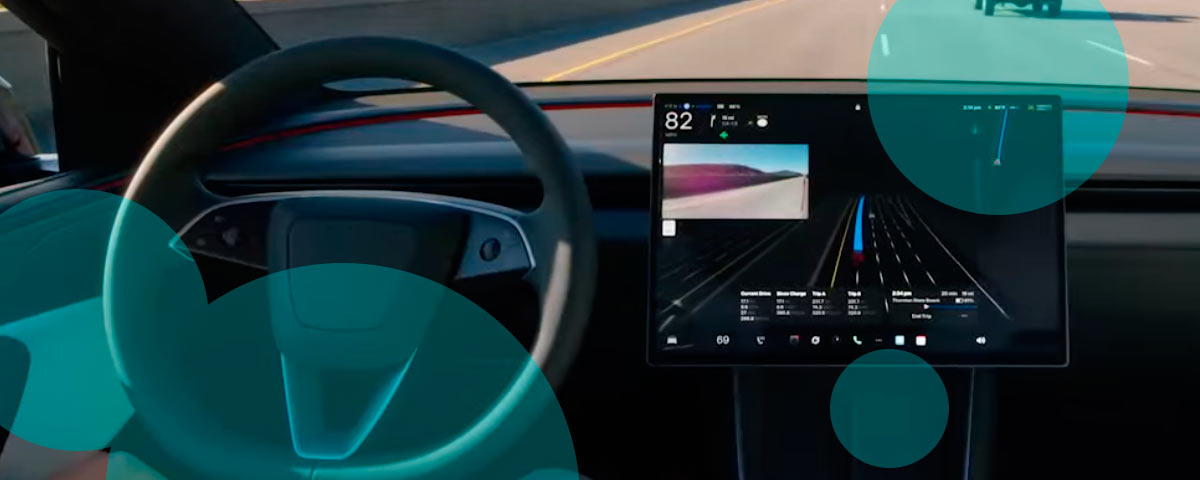
Tesla’s wider driver-assistance and self-driving systems are still under pressure from regulators. Last month, NHTSA separately upgraded its probe into Tesla’s Full Self-Driving system to an engineering analysis, a more advanced stage that often comes before a recall review, and expanded the scope to about 3.2 mn vehicles.
Regulators are still examining those systems over crash risks, visibility limits, and whether Tesla gives drivers enough warning in real-world conditions.
In October, NHTSA opened another investigation covering 2.9 mn vehicles equipped with Full Self-Driving after receiving more than 50 reports of traffic safety violations and a series of crashes.
The agency said FSD had induced vehicle behaviour that violated traffic safety laws. NHTSA and Tesla have since held a string of meetings on the issue.