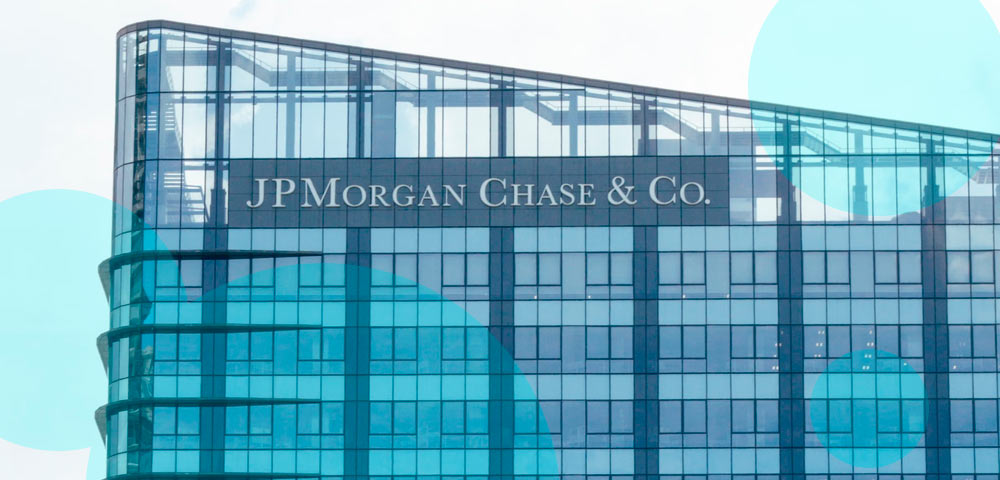
- Chase banking outage affects transactions and branch operations
- Software update identified as cause of JPMorgan Chase disruption
- Zelle payments delayed as other US banks report normal operations
- Banking outage follows Microsoft and FAA technology failures
- Technology dependencies increase the impact of operational failures
JPMorgan Chase began restoring its banking systems on Monday, November 16, after a nationwide technical outage disrupted customer transactions, online banking and operations at some branches for several hours.
The bank attributed the incident to a software defect introduced during an update earlier that day. An FBI official said the release affected a subset of JPMorgan Chase systems, with no evidence of malicious activity or an external cyberattack.
- JPMorgan Chase experienced a nationwide technical outage on November 16, disrupting online banking, branch operations and customer transactions for several hours.
- More than 4,700 Chase customers reported problems by 2 p.m. ET. The bank attributed the disruption to a software bug and ruled out a cyberattack.
- Bank of America, Wells Fargo and U.S. Bank reported no direct system failures, although transactions involving Chase, including some Zelle payments, faced delays.
Customers reported difficulties accessing accounts, withdrawing funds and completing transactions. Some branches experienced problems with their internal systems, although Chase maintained that customers retained access to their accounts and money.
Due to a technical issue, some transactions are taking longer than usual to complete but customers still have access to their accounts and funds. We are working to resolve this as quickly as possible. This is a technical issue, not cyber-related.
JPMorgan Chase
The disruption also affected transactions involving other financial institutions, particularly payments routed through JPMorgan Chase. The bank said the incident was not a systemic failure across the US banking sector.
Chase banking outage affects transactions and branch operations
Customers began reporting problems on Monday morning. Chase acknowledged difficulties with online banking through its customer support account on X and advised affected users to try again later.
According to outage monitoring service Downdetector, more than 4,700 customers had reported problems with Chase by 2 p.m. ET.
Operational disruptions extended beyond digital banking. Employees at several branches reported intermittent access to internal systems, with some transactions taking longer than usual to process.
At a Washington, D.C., branch, a teller said problems with in-person and online banking began at approximately 10 a.m. and were resolved shortly after 3 p.m.
A branch manager reported that most transactions could be processed through branches, mobile applications and online banking despite intermittent glitches. ATMs at that location continued operating normally.
At another branch, an employee said the banking application and ATMs were functioning, but internal computer systems had experienced repeated interruptions.
The bank stressed that the incident was temporary and that customers’ accounts and funds remained accessible.
Software update identified as cause of JPMorgan Chase disruption
The outage was linked to a software release affecting JPMorgan Chase’s internal infrastructure.
An FBI official said the disruption originated from an update deployed earlier Monday and affected a limited portion of the bank’s systems. There was no indication that hackers or other external actors were responsible.
A source familiar with the incident also said the failure was unrelated to cloud services. Instead, changes to the bank’s own physical computing infrastructure inadvertently caused operational problems.
The bank began restoring affected services during the afternoon, although some customers continued to experience delays as operations returned to normal.
JPMorgan Chase also sought to distinguish its internal technical failure from reports of problems at other financial institutions.
Zelle payments delayed as other US banks report normal operations
Customers also reported transaction problems involving Bank of America, Wells Fargo and U.S. Bank, although the number of complaints was substantially smaller than those involving Chase.
The reports appeared to involve payments sent through Zelle to or from JPMorgan Chase accounts rather than independent failures at the other banks.
Bank of America said its systems had operated normally throughout Monday. Bank of America systems have been operating normally today. Clients experiencing delays with other providers may wish to contact them directly for the latest information.
U.S. Bank systems are not directly impacted. However, clients attempting to send or receive Zelle payments with another financial institution may experience transaction delays.
PNC Financial Services and Wells Fargo also said their systems had not been affected by the incident.
Zelle, the digital payments network used by participating US banks and credit unions, said its infrastructure remained operational.
The network explained that participating financial institutions manage customer accounts and hold deposited funds. Consumers do not maintain separate accounts directly with Zelle, and the payments service does not hold customer money.
Zelle is operated by Early Warning Services, which is owned by a group of financial institutions including Bank of America, Capital One, JPMorgan Chase, PNC Bank, Truist, U.S. Bank and Wells Fargo.
According to Zelle, technical problems at an individual participating bank can affect payments involving that institution without indicating a failure of the wider network.
Banking outage follows Microsoft and FAA technology failures
The JPMorgan Chase incident occurred during a series of major technology disruptions affecting financial services, communications and transportation infrastructure in the United States.
On November 12, a Microsoft 365 outage interrupted email services for millions of users across 74 countries and territories.
Microsoft subsequently attributed that disruption to several contributing factors, including a software defect that had remained undetected since July, excessive traffic and capacity limitations.
Charles Lamanna, Microsoft’s executive vice president of Copilot, Agents and Platform, provided additional details about the causes on Monday.
On November 13, the Federal Aviation Administration experienced a systems failure that resulted in a nationwide ground stop and significant flight delays.
The FAA attributed the incident to a router deployment problem and excessive data overwhelming its systems.
Another disruption emerged on Monday afternoon when United Airlines reported a systemwide computer outage affecting flight operations. The airline later said the problem had been resolved that evening.
Although these incidents occurred within several days of one another, the available information does not establish a common cause.
The Microsoft and FAA failures involved different technical problems, while JPMorgan Chase identified an internal software update as the source of its banking disruption.
Technology dependencies increase the impact of operational failures
The sequence of outages raised questions about the operational resilience of technology systems supporting essential services.
Modern technology infrastructure depends on interconnected applications, networks and computing systems. A failure in one component can interrupt services operated by other organizations, even when their own infrastructure remains functional.
Interconnected systems can improve resilience, but poorly understood dependencies can allow operational failures to spread across institutions and industries.
The Chase incident provided a specific example through delayed interbank transactions and Zelle payments, despite other financial institutions reporting normal internal operations.
The operational issue for organizations is understanding how quickly problems can spread beyond the system where they originate.
The incident also created opportunities for fraudsters to exploit customer uncertainty. LendingTree analyst Matt Schulz advised customers to verify banking updates through official channels and avoid sharing personal information with unsolicited callers or messages.