Infographic: Insured and Economic Losses from Natural Catastrophes (H1 2026)
Natural catastrophes caused an estimated $112 bn in global economic losses during the first half of the year. Only $44 bn was insured, leaving a protection gap of about 60%
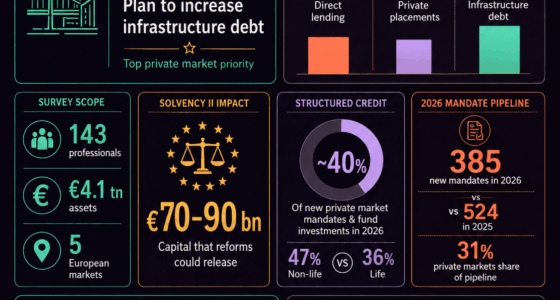
Infrastructure debt has become the leading private market priority for European insurers, with 58% planning to increase allocations
Xeneta expected shipper long-term rates to raise 5% to 15% during 2026 after the escalation of conflict in the Middle East changed the rate
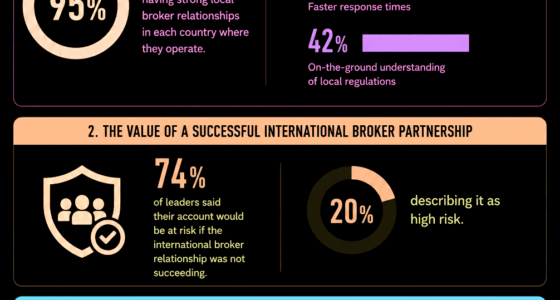
A report commissioned by WBN found clear demand for broker networks that combine international reach with local market knowledge
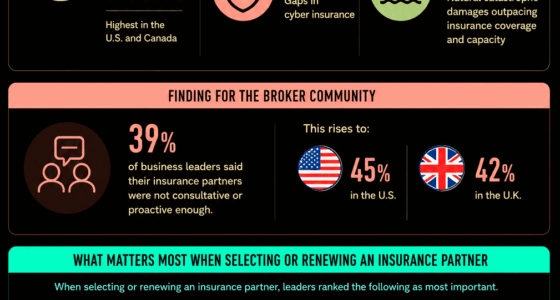
Premium increases and affordability now sit at the top of business leaders’ insurance concerns. 47% of respondents named higher premiums and cost pressure as their main insurance worry
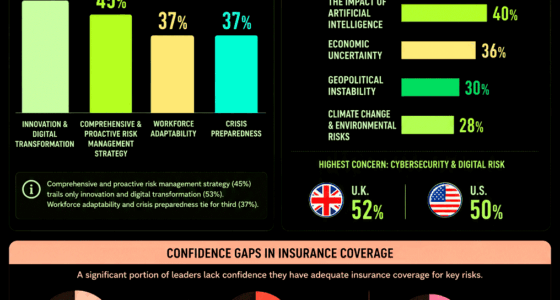
Business leaders are changing how they treat commercial insurance. A report by WBN found that 43% now view insurance as part of business performance, rather than a back-office cost
AI is moving from experimentation to execution in insurance claims. Where AI delivers measurable business value? Claims remain one of the biggest opportunities
AI is rapidly changing the economics of insurance fraud. Creating fake accident photos, forged medical reports, or manipulated claim documents no longer requires technical expertise
AI helps cyber insurers improve detection, pricing and underwriting, but it also lowers the cost of phishing, deepfake fraud and attack automation
McKinsey data shows AI-leading insurers deliver stronger shareholder returns, faster claims handling and lower onboarding costs
AI cuts claims costs, underwriting time and fraud losses, yet insurers still face governance, data, talent and legacy-system barriers
Emerging insurance markets have fewer legacy constraints, making AI adoption faster when governance, data quality and skills keep pace
Artificial intelligence is rapidly becoming one of the defining forces shaping the future of insurance and cyber risk. But the market is still underestimating one critical reality
AI valuations, market concentration and infrastructure funding gaps raise systemic risk as global growth slows and capital costs stay high
Global InsurTech funding rebounds to $1.63 bn in Q1 2026 as AI-focused firms capture 95.2% of total capital raised