- Square Peg has closed more than A$1 bn across Fund 6 and Opportunities Fund 3, marking its largest fundraising round since its founding in 2012.
- Approximately 40% of the capital is allocated to early-stage investments, while 60% will support larger funding rounds involving existing portfolio companies and other growth-stage businesses.
- The fundraising strengthens Square Peg’s capacity to invest in AI, fintech and SaaS startups across Australia, Southeast Asia and Israel, while providing additional capital for promising portfolio companies.
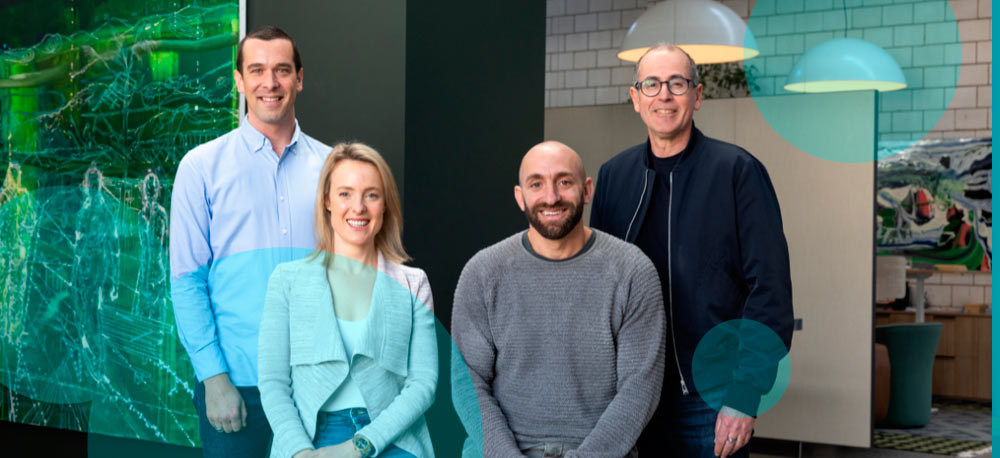
Australian venture capital firm Square Peg has raised more than A$1 bn across two investment vehicles, completing its largest fundraising to date and expanding its capacity to back early-stage technology startups and established portfolio companies.
The capital was raised through Square Peg Fund 6, focused on early-stage investments, and Opportunities Fund 3, which provides larger investments to more mature businesses, including companies already within the firm’s portfolio.
Approximately 40% of the commitments were allocated to Fund 6, with the remaining 60% directed to Opportunities Fund 3. Square Peg confirmed that the combined amount exceeded A$1 bn but did not disclose the exact total or individual fund sizes.
The final closes were completed during the first half of 2026, according to the firm’s July investor letter. The latest fundraising exceeds the approximately A$860 mn secured in its separate 2022 fundraising round.
Founded in 2012 by Paul Bassat, a co-founder of employment marketplace SEEK, and former investment banker Tony Holt, Square Peg invests primarily in artificial intelligence, fintech and software-as-a-service companies.
Its investment strategy covers Australia and New Zealand, Southeast Asia and Israel, allowing the firm to support technology businesses across several markets and stages of development.
The two-fund structure addresses a common challenge for venture capital managers: balancing early-stage investment discipline with the capital requirements of successful companies as they expand.
Fund 6 enables Square Peg to make initial investments from seed through Series B without committing disproportionate amounts of capital to individual startups. Opportunities Fund 3 provides a separate pool for larger funding rounds, allowing the firm to maintain or increase its ownership in companies demonstrating strong commercial progress.
The arrangement also separates early-stage and growth-stage investment exposure for limited partners, whose risk preferences and investment objectives may differ.
The larger allocation to Opportunities Fund 3 indicates substantial capital availability for later-stage investments. It does not, however, mean that all of the new funding will be directed toward existing portfolio companies, as the vehicle can also invest in businesses outside the current portfolio.
For founders, the structure offers access to an investment firm capable of participating in successive financing rounds, potentially reducing the need to identify entirely new investors as capital requirements increase.
Existing Square Peg-backed companies may also benefit from additional funding capacity during a period when many startups remain affected by valuation adjustments, difficult fundraising conditions and extended timelines to liquidity.
Square Peg’s portfolio includes technology companies such as Canva, Airwallex, Rokt and Supabase, alongside investments in other fintech, enterprise software and AI businesses.
The firm’s investment and fundraising activities have involved Bassat and members of its broader team, including Leila Lee, who joined in 2017 as Head of Distribution and subsequently became a member of the Square Peg partnership.
The latest fundraising also provides evidence of institutional investor demand for established Australian venture capital managers operating internationally.
Square Peg’s allocation of approximately 60% to its opportunities vehicle places considerable emphasis on later-stage deployment, where companies may have more established business models but valuations and exit timing remain important risks.
The fundraising gives Square Peg additional capacity to support existing investments while continuing to identify new technology companies. The performance of the two vehicles will depend on investment selection, entry valuations, portfolio growth and the firm’s ability to generate exits across successive fund generations.