- AST SpaceMobile AT&T and Verizon partnership targets US satellite coverage
- AT&T and AST SpaceMobile complete first cellular-to-satellite handoff
- AST SpaceMobile plans 45 BlueBird satellites by mid-2027
- T-Mobile and SpaceX already offer satellite messaging in the US
- AT&T and Verizon satellite service launch timeline
AST SpaceMobile is preparing to introduce direct-to-device (D2D) satellite connectivity for AT&T and Verizon customers, targeting initial intermittent coverage across the US by the end of 2026 and beta trials in early 2027.
The company is developing a satellite network capable of connecting directly to conventional smartphones, potentially supporting text messages, voice calls, video and mobile data in areas without terrestrial coverage.
- AST SpaceMobile plans intermittent US satellite coverage by the end of 2026, with AT&T and Verizon beta trials expected in early 2027.
- AT&T and AST SpaceMobile completed what they described as the first successful handoff between terrestrial cellular and D2D satellite networks.
- The company targets 45 BlueBird satellites by mid-2027, with more than 100 planned during 2027-2028 and a dedicated Blacklift launch vehicle expected in late 2028.
Its rollout follows a successful demonstration with AT&T, Ericsson and Nokia, in which an active mobile connection was transferred from a terrestrial cellular network to an AST SpaceMobile satellite without interruption.
AST SpaceMobile expects to have approximately 25 BlueBird satellites in orbit when operator trials begin, followed by 45 satellites by mid-2027 and more than 100 during 2027-2028.
AST SpaceMobile AT&T and Verizon partnership targets US satellite coverage
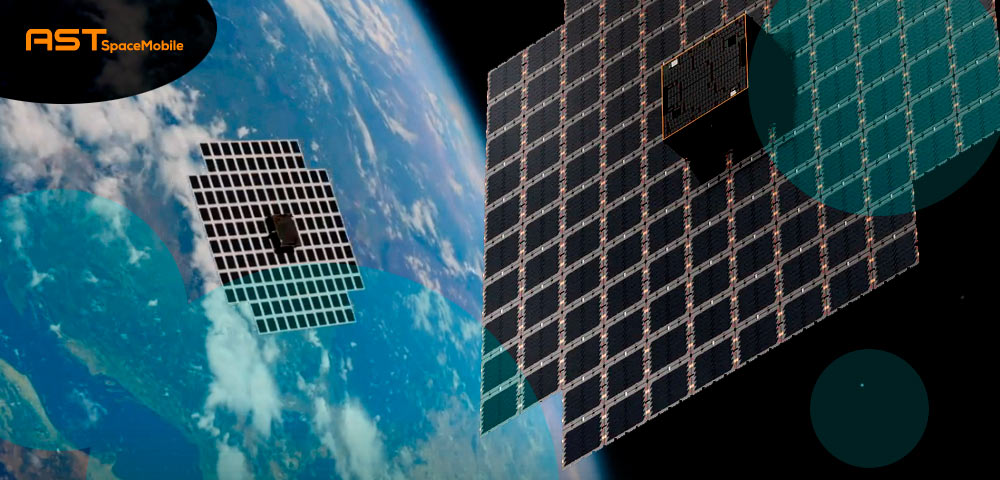
AST SpaceMobile is building a space-based cellular broadband network designed to complement the existing infrastructure of mobile operators, including AT&T and Verizon.
Unlike conventional satellite communications services that require specialized equipment, the company’s BlueBird satellites are designed to communicate directly with compatible everyday smartphones.
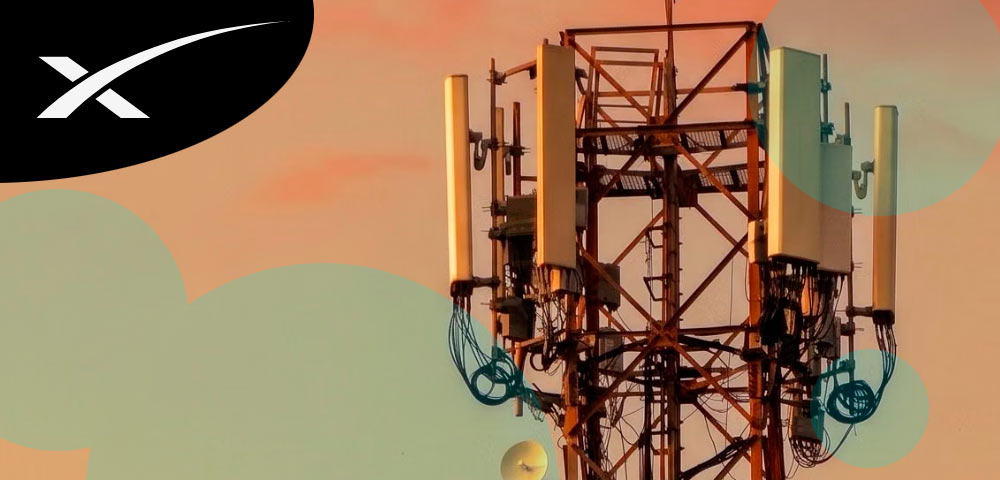
The technology could extend mobile coverage to rural highways, mountainous regions, national parks and other locations where building terrestrial infrastructure is expensive or impractical.
AST SpaceMobile expects to activate intermittent satellite coverage across the US and selected international markets before the end of 2026, followed by operator beta trials in early 2027.
The initial service will depend on satellites passing over particular locations. Continuous nationwide connectivity requires a larger constellation capable of maintaining coverage as satellites move across the sky.
AST SpaceMobile previously targeted 45 satellites in orbit by the end of 2026, a threshold associated with continuous US coverage. That deployment schedule has shifted to mid-2027.
President and chief strategy officer Scott Wisniewski said customers should expect “nationwide availability when a satellite is overhead” during the initial phase.
The company expects approximately 25 satellites to provide the capacity needed for meaningful beta trials, before expanding the constellation to 45 satellites for more continuous coverage.
“We think that those beta trials are best with about 25 satellites, although there’s some flexibility there,” Wisniewski said in November 2026.
The company intends to activate the network before moving into broader operator testing early next year.
AT&T has an existing commercial agreement with AST SpaceMobile under which the satellite operator will provide space-based cellular broadband through a revenue-sharing arrangement running through 2030.
AT&T and AST SpaceMobile complete first cellular-to-satellite handoff
On October 21, 2026, AT&T and AST SpaceMobile completed a demonstration outside Granite Falls, Washington, transferring an active connection from AT&T’s terrestrial wireless network to AST SpaceMobile’s satellite system.
The companies announced the test on November 2. According to AT&T, the demonstration represented the industry’s first successful handoff between a ground-based cellular network and a D2D satellite network.
The October 21 test demonstrated that a conventional smartphone connection could move from AT&T’s terrestrial network to AST SpaceMobile’s satellite coverage without dropping the active call.
The test builds on earlier demonstrations involving voice calls, text messages and video communications through BlueBird satellites.
For mobile operators, the ability to transfer a connection between networks is an important requirement for making satellite access part of an ordinary cellular service.
Without automated handoff, customers moving outside terrestrial coverage could experience dropped calls or be required to establish a separate satellite connection.
AT&T supplied its terrestrial wireless infrastructure, while AST SpaceMobile provided the satellite network.
Ericsson contributed integrated radio and core network technology, including network automation designed to reduce transition times from seconds to milliseconds.
Nokia supplied radio access technology and mobility software supporting AST SpaceMobile’s space-based network.
Ericsson’s network automation and Nokia’s satellite radio technology helped maintain service continuity as the handset moved between terrestrial and satellite infrastructure.
Brian Walsh, principal product development engineering at AT&T, compared the technical challenge to transferring from a highway onto a moving aircraft.
He said the handoff worked “perfectly”, with the transfer confirmed in engineering logs.
Wayne Thorsen, chief commercial officer at AST SpaceMobile, said the BlueBird network is designed to allow consumers to make calls, use applications, stream content and maintain connectivity through their existing smartphones.
The companies also see potential applications for emergency responders who need communications when terrestrial networks are unavailable.
AST SpaceMobile plans 45 BlueBird satellites by mid-2027
AST SpaceMobile’s commercial development depends heavily on increasing the size of its low Earth orbit satellite constellation.
The company expects to have approximately 45 BlueBird satellites in orbit by mid-2027, compared with its earlier target of reaching that number before the end of 2026.
Deployment is then expected to accelerate, with more than 100 satellites planned during 2027-2028.
AST SpaceMobile has moved its 45-satellite deployment target from the end of 2026 to mid-2027, while maintaining plans to begin intermittent service before year-end.
With a smaller constellation, satellite connectivity becomes available when a spacecraft passes over the customer’s location. As additional satellites enter orbit, the network can provide more consistent geographical coverage.
AST SpaceMobile currently depends on launch providers SpaceX and Blue Origin to deploy its spacecraft.
That arrangement is expected to change when the company’s purpose-built Blacklift launch vehicle becomes operational, currently targeted for late 2028.
Blacklift is reportedly being developed to carry as many as five BlueBird satellites per launch.
A dedicated launch capability could allow AST SpaceMobile to deploy up to five satellites per mission, reducing its reliance on external launch providers as it expands the constellation.
For the near term, the company remains dependent on third-party launches to achieve its operational timetable.
The pace of satellite deployment will influence when AT&T and Verizon can progress from initial testing to broader commercial availability.
T-Mobile and SpaceX already offer satellite messaging in the US
AST SpaceMobile’s planned rollout comes after T-Mobile introduced satellite messaging through its partnership with SpaceX.
T-Mobile customers have had access to satellite texting since early 2025, while SpaceX formally launched its US D2D service in July 2025.
The service has subsequently expanded beyond messaging to support limited data capabilities, with additional functionality expected from newer satellite generations.
AT&T and Verizon subscribers can also access T-Mobile’s SpaceX-powered T-Satellite offering for $10 per line monthly, although this involves an additional eSIM configuration.
SpaceX and T-Mobile entered the US direct-to-device market ahead of AST SpaceMobile, offering satellite messaging and subsequently introducing limited data services.
AST SpaceMobile’s proposed service is intended to become part of AT&T’s and Verizon’s own network offerings rather than requiring customers to rely on a separate satellite service.
The company is also targeting a broader range of communications capabilities, including voice and video calls.
Such services place additional demands on satellite capacity, radio performance and network management compared with basic messaging.
AST SpaceMobile is targeting satellite broadband capabilities that extend beyond emergency texting, potentially supporting conventional calls, video and mobile applications.
The initial commercial experience will still depend on the number of operational satellites, compatible devices, available spectrum and the integration work completed by participating mobile operators.
Satellite communications are expected to complement terrestrial infrastructure rather than replace conventional cellular networks, which continue to handle the overwhelming majority of mobile traffic.
AT&T and Verizon satellite service launch timeline
Following the successful terrestrial-to-satellite handoff, AT&T plans to begin beta testing under real-world conditions before introducing commercial service.
The carrier has not announced a specific commercial launch date.
Robert Walters, senior vice president of network at AT&T, said the handoff was an important engineering achievement but that further testing would be necessary before the service reaches customers.
AT&T’s next development phase involves beta testing under real-world conditions, with a commercial launch dependent on additional network validation and satellite availability.
The company intends to combine its terrestrial mobile and fiber infrastructure with satellite connectivity to improve coverage and network resilience.
For AST SpaceMobile, the immediate priorities are activating intermittent service, building the satellite constellation and supporting operator testing.
Its partnership with Verizon provides another major US distribution channel for the planned D2D network, although the source material does not specify a separate Verizon commercial launch date.
AST SpaceMobile’s deployment timetable calls for initial service in late 2026, beta trials in early 2027 and a 45-satellite constellation by mid-2027.
The company’s longer-term plan calls for more than 100 BlueBird satellites during 2027-2028 and the introduction of Blacklift in late 2028.
Whether AT&T and Verizon customers receive continuous satellite service on that schedule will depend on constellation deployment, network integration and the results of commercial testing.