Follow Beinsure
Elon Musk’s SpaceX (NASDAQ: SPCX) could need an additional $120-130 bn to build a US mobile network capable of competing with T-Mobile US (NASDAQ: TMUS), AT&T (NYSE: T) and Verizon Communications (NYSE: VZ), according to telecommunications expert William Webb.
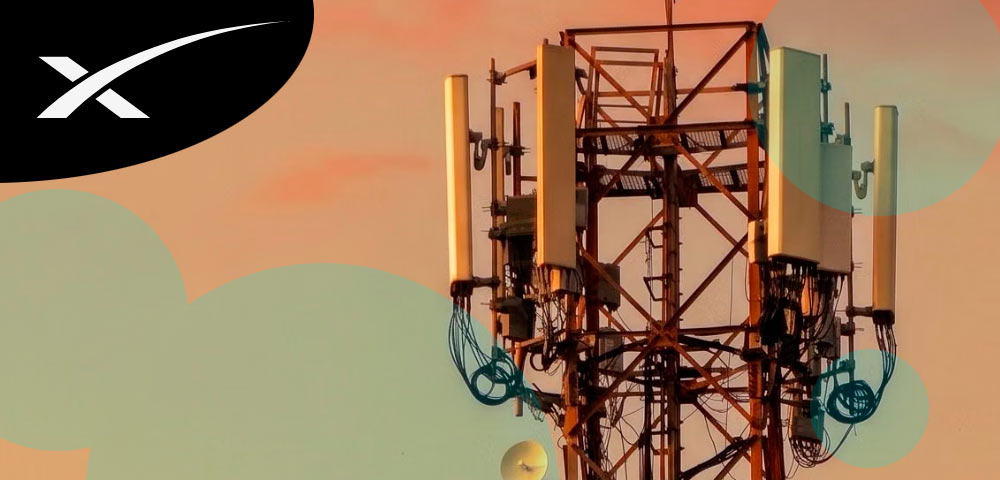
The estimate comes after SpaceX agreed to nearly $28 bn in wireless spectrum transactions and reportedly began exploring access to at least 80,000 US cell sites, including through discussions with telecommunications infrastructure provider Crown Castle (NYSE: CCI).
- SpaceX has agreed to nearly $28 bn in spectrum deals, but matching major US wireless carriers could require another $120-130 bn, according to telecom expert William Webb.
- The company is reportedly seeking access to at least 80,000 US cell sites, with network infrastructure alone potentially costing $30-40 bn.
- Analysts see a lower-cost rural expansion strategy as an alternative, while BNP Paribas estimates at least $100 bn in spending before revenue, excluding spectrum and financing costs.
“The real cost is the spectrum,” Webb told Benzinga in an interview, arguing that acquiring sufficient radio frequencies would represent the largest financial obstacle to establishing a competitive nationwide network.
SpaceX could need another $90 bn in wireless spectrum
SpaceX has agreed to acquire approximately $20 bn in wireless spectrum from EchoStar (NASDAQ: SATS), alongside a reported $8 bn transaction with Grain Management.
Webb estimates these purchases would provide only about 25% of the spectrum controlled by a typical major US wireless operator. Acquiring enough additional frequencies to approach the holdings of established carriers could cost another $90 bn, based on his calculations.
Wireless spectrum consists of radio frequencies used to transmit mobile voice and data traffic. Although SpaceX could potentially provide extensive geographic coverage with limited spectrum, insufficient capacity would make it difficult to serve large numbers of customers in densely populated urban markets.
The availability of additional frequencies presents another obstacle. Webb said suitable spectrum is already scarce, and reallocating frequencies for commercial mobile services can be difficult even with regulatory and political support.
The Federal Communications Commission plans to auction higher-frequency spectrum in the 3.98-4.14 GHz band, with bidding tentatively scheduled to begin on April 27, 2027. Webb suggested Musk could compete aggressively against existing carriers for those frequencies.
Building 80,000 cell sites could cost SpaceX another $40 bn
Beyond spectrum purchases, Webb estimates SpaceX would need approximately $30-40 bn to develop the physical infrastructure required to approach the scale of established US mobile networks.
The calculations include roughly $20 bn to equip between 60,000 and 80,000 cell sites, plus approximately $10 bn for the core network and associated infrastructure.
The combined $120-130 bn estimate represents a preliminary calculation of the additional investment required to approach incumbent network scale, rather than the minimum expenditure necessary to launch a mobile service. Actual spectrum acquisition costs would depend heavily on the frequency bands involved.
BNP Paribas presented another substantial estimate on Monday, projecting that SpaceX could require at least $100 bn in capital expenditure and operating costs before generating revenue. That assessment excludes spectrum acquisition and financing expenses.
The estimates illustrate the financial differences between launching a wireless service and developing enough network capacity to compete directly with established national operators.
SpaceX could launch a lower-cost mobile network in rural America
Roger Entner, founder of Recon Analytics, previously estimated that SpaceX could establish a substantial mobile network for $10-15 bn, excluding further spectrum acquisitions.
Entner expects the company could initially target rural communities, where its Starlink satellite internet service already has customers, before expanding toward larger metropolitan areas.
Such a strategy would require considerably less initial capital than Webb’s nationwide scenario. It would, however, leave SpaceX without the urban network capacity needed to compete immediately with T-Mobile, AT&T and Verizon on comparable terms.
Another possibility would be a wholesale arrangement under which SpaceX offers mobile services using an established operator’s infrastructure.
Webb previously described that approach as potentially the most economically sensible option for Musk, avoiding some of the costs associated with building an independent nationwide network.
T-Mobile CEO Srini Gopalan, however, ruled out a mobile virtual network operator agreement with SpaceX during the company’s Wednesday earnings conference call.
Prediction markets lower odds of a SpaceX mobile launch by 2027
Expectations for a near-term SpaceX mobile service have weakened on prediction platform Polymarket.
The estimated probability that SpaceX will offer its own US mobile plan by December 31, 2027, recently declined to approximately 27%, compared with 37% the previous week.
The contract has attracted more than $16,000 in trading volume. Its settlement conditions allow a “Yes” outcome even if SpaceX introduces a branded mobile plan using another carrier’s network rather than building independent infrastructure.
That distinction leaves open the possibility of a lower-cost commercial launch without the full spectrum holdings and cellular infrastructure required to rival the largest US carriers.
For SpaceX, the financial commitment would depend heavily on whether it pursues a limited initial rollout, a wholesale partnership or a nationwide network designed to compete directly with established operators.