Lloyd’s List Intelligence (LLI) has added Satellite Confirmed Spoofing to Seasearcher, its proprietary maritime intelligence platform. The feature links AIS spoofing detection with automatic satellite imagery checks. Compliance, risk and intelligence teams receive stronger evidence when assessing deceptive vessel activity.
The launch responds to demand for intelligence backed by verifiable evidence. Maritime organisations need clearer grounds for investigations and compliance decisions.
Satellite confirmation gives teams another source when reported vessel positions look suspicious.
Spoofing has moved beyond vessels simply switching off their signals. Some ships now transmit false positions designed to appear legitimate. Arne Staal, Chief Research Officer at Lloyd’s List Intelligence, said LLI has been detecting this behaviour for some time.
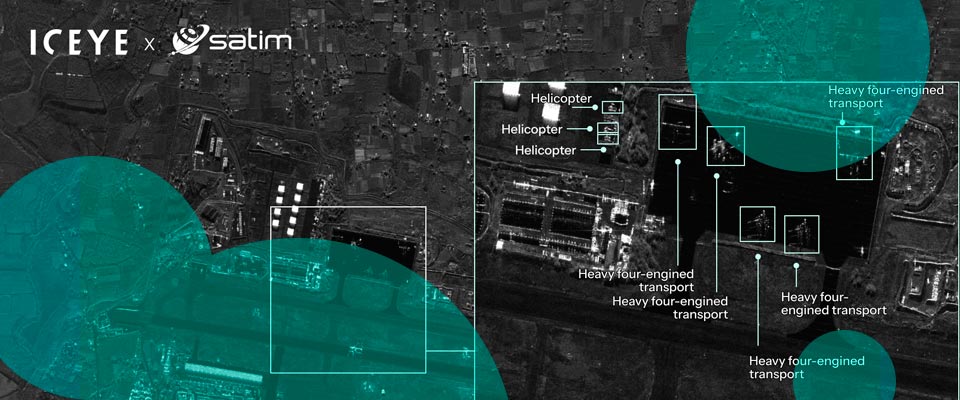
Detection models aren’t absolute because their results remain probabilistic. The new process adds satellite imagery after a suspected spoofing event is identified. Analysts then compare the reported AIS position with evidence captured from space.
For compliance teams, insurers and regulators, the difference is practical. They aren’t left relying only on an inferred spoofing signal.
Satellite imagery provides separate evidence of where a vessel was observed. It’s a move from probability towards a documented event supported by imagery.
LLI says better decisions start with better intelligence. Satellite Confirmed Spoofing follows this approach by turning an inferred risk signal into a validated event. The system combines maritime expertise, analytics and satellite technology within the Seasearcher workflow.
Customers gain a clearer view of suspected deceptive shipping practices. They also see the evidence supporting each assessment, rather than relying only on vessel-reported data.
According to LLI, this should help organisations decide which cases deserve further investigation.
Lloyd’s List Intelligence provides maritime data, analytics and intelligence used across global shipping and trade. Its services draw on proprietary AIS data, a growing range of intelligence sources and a global analyst network. The company provides real-time information on vessel fleets, trade flows and maritime risk.