Follow Beinsure
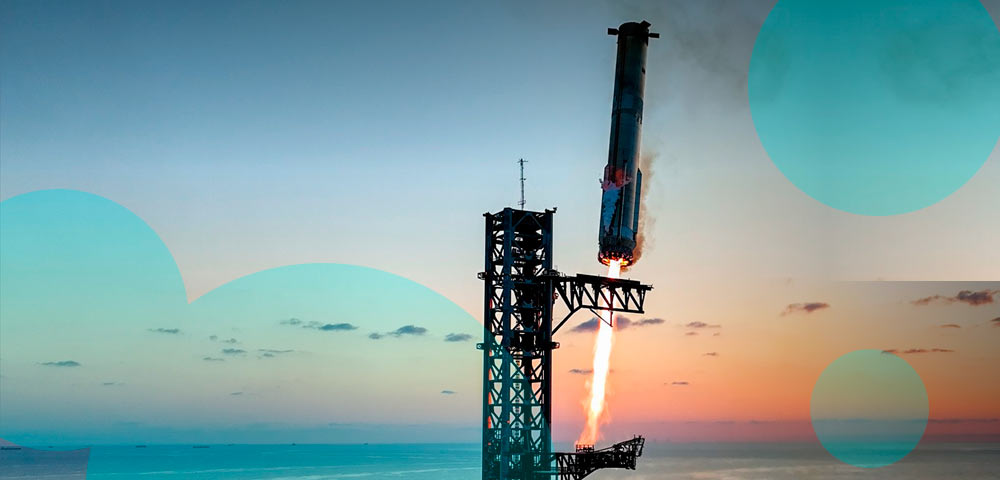
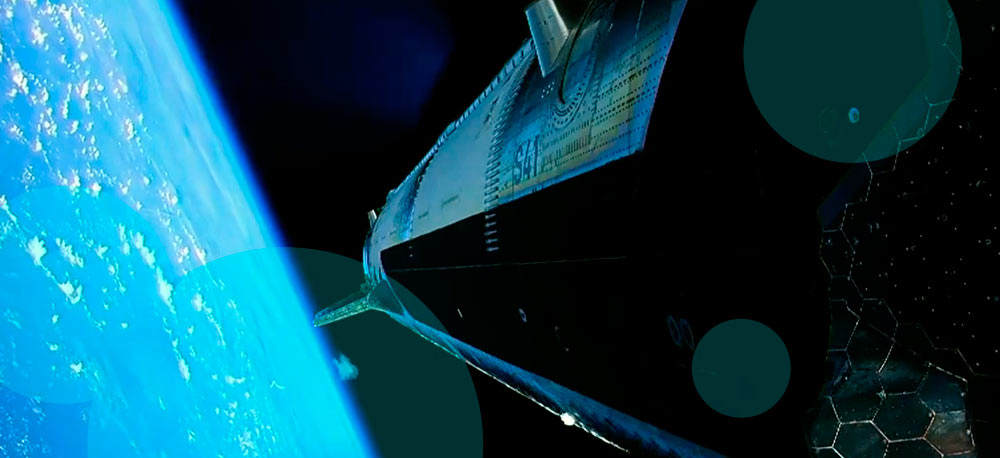
SpaceX’s Starship reached orbit for the first time on Monday, deploying 26 Starlink V3 satellites during the rocket’s 14th test flight from Starbase, Texas. The flight marked Starship’s first orbital mission after 13 previous tests. SpaceX also used the mission for its first deployment of production Starlink V3 satellites from Starship.
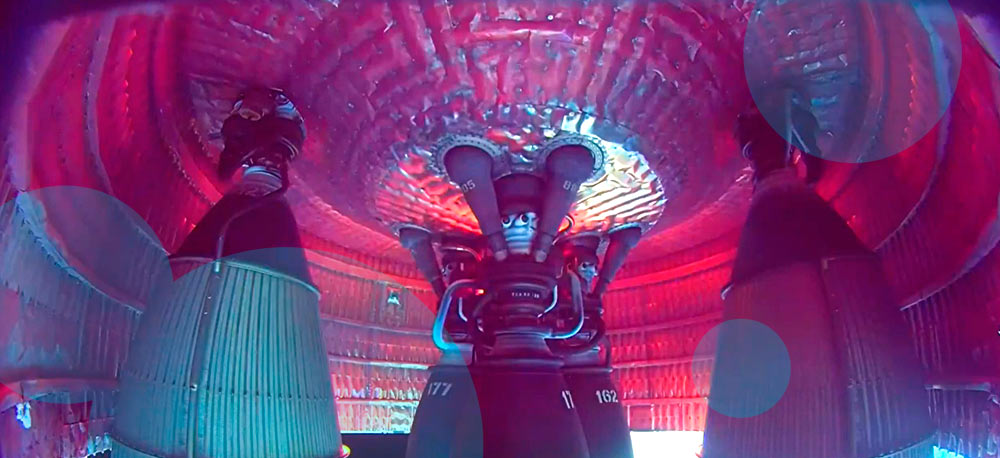
The uncrewed Starship and Super Heavy system lifted off Monday morning and entered orbit despite an engine problem during ascent. One Raptor engine shut down unexpectedly, but flight controllers continued the mission and completed the orbital burn.
The Super Heavy booster returned toward the Texas coast and completed a controlled splashdown. Two of its engines reportedly failed to restart during the return sequence because of ice, although the booster continued its descent.
SpaceX later shortened the planned mission. Starship had initially been scheduled to remain in orbit for roughly 10 hours and complete several trips around Earth before re-entry and a Pacific splashdown.
The 26 satellites were deployed after Starship reached orbit. SpaceX designed the V3 generation for substantially higher communications capacity than earlier Starlink spacecraft.
A future Starship launch is expected to carry as many as 60 V3 satellites, compared with much smaller Starlink payloads aboard Falcon 9. SpaceX said in its IPO filing that each V3 satellite was designed for 1 Tbps of downlink capacity.
SpaceX operated more than 9,600 Starlink broadband and mobile satellites as of March 31, 2026. The constellation has expanded further since then, with the company continuing regular Falcon 9 launches while preparing Starship for larger deployments.
Starship is also being developed for NASA’s Artemis programme. SpaceX intends to use a modified version of the spacecraft as a lunar lander for missions carrying U.S. astronauts to the Moon.
The company has longer-term plans for orbital computing. SpaceX executives have discussed using Starship to launch AI computing satellites from 2027, adding another potential source of high-value payloads for the vehicle.
SpaceX generally self-insures Starship and Starlink losses
The insurance structure behind Starship differs from a conventional commercial satellite launch.
SpaceX disclosed in SEC filings before its 2026 IPO that it does not typically buy insurance for its own satellites, payloads or launch vehicles. Losses involving those assets are therefore generally retained by SpaceX rather than transferred to commercial space insurers.
The company also said it does not insure its satellites once they are in orbit and does not expect to purchase such cover in the future. Its filings state that SpaceX carries less insurance than many companies and sometimes operates without insurance for particular risks.
That means a loss of Starship or SpaceX-owned Starlink satellites isn’t necessarily a claim for the commercial space insurance market.
SpaceX instead accepts much of the financial exposure itself. A failed Starship mission involving company-owned hardware would normally leave SpaceX bearing the cost of the rocket and satellites, based on its SEC disclosures.
Flight 14 carried 26 SpaceX-owned Starlink V3 satellites. No public disclosure identified separate commercial launch insurance covering those satellites or the Starship vehicle.
$500mn liability insurance required for Starship flights
Third-party liability is treated differently. The Federal Aviation Administration requires SpaceX to maintain liability insurance under the financial responsibility conditions attached to its Starship-Super Heavy launch licence.
The FAA order requires $500 mn of liability insurance for covered claims resulting from the flight of Starship-Super Heavy from Starbase. It also requires $48 mn for covered claims arising from pre-flight ground operations.
The $500 mn policy does not insure the value of Starship or its Starlink payload. It applies to covered third-party liability arising from launch operations, including potential bodily injury or property damage. The requirement protects against losses outside SpaceX’s own rocket and payload assets.
FAA financial responsibility requirements are based on the potential losses associated with licensed commercial launch activities. SpaceX must maintain the required cover as part of its Starship licence.
SpaceX had mandatory liability protection for covered third-party claims, while its own disclosure indicates that the company usually keeps the financial risk attached to Starship, Starlink satellites and other company-owned payloads.
The engine shutdown during Monday’s ascent did not produce a reported insured loss. Starship reached orbit and the 26 satellites were deployed.
A failure producing debris damage on the ground would have presented a different insurance scenario. Third-party claims would fall within the liability structure required by the FAA, subject to the policy terms and applicable law.
SpaceX’s approach differs from satellite operators that purchase launch insurance covering the cost of spacecraft if a rocket fails or leaves a satellite in an unusable orbit. Those policies often run from launch through satellite separation and early orbital testing.
SpaceX’s scale gives it more room to retain such losses internally. The company builds both its launch vehicles and Starlink satellites, operates a large constellation and maintains a high launch cadence.
A lost batch of satellites is financially different for SpaceX than the loss of a single expensive spacecraft owned by an operator with only a handful of satellites.
SpaceX bears the financial cost when uninsured satellites, payloads or launch vehicles are lost. Starship’s move into regular orbital missions still matters to the wider space insurance market. Third-party customers using the rocket will make their own decisions about launch and payload cover. SpaceX’s filings also warn that repeated launch failures could affect its customers’ ability to obtain launch and in-orbit insurance at competitive rates.
Flight 14 gave underwriters another Starship mission record to assess. The rocket reached orbit with an engine down, deployed its satellite payload and continued operating after propulsion problems during ascent.
For SpaceX itself, the insurance position is more straightforward: FAA-required third-party liability cover applies to Starship launch operations, while the company generally retains the risk of losing its own rocket and satellites.