Follow Beinsure
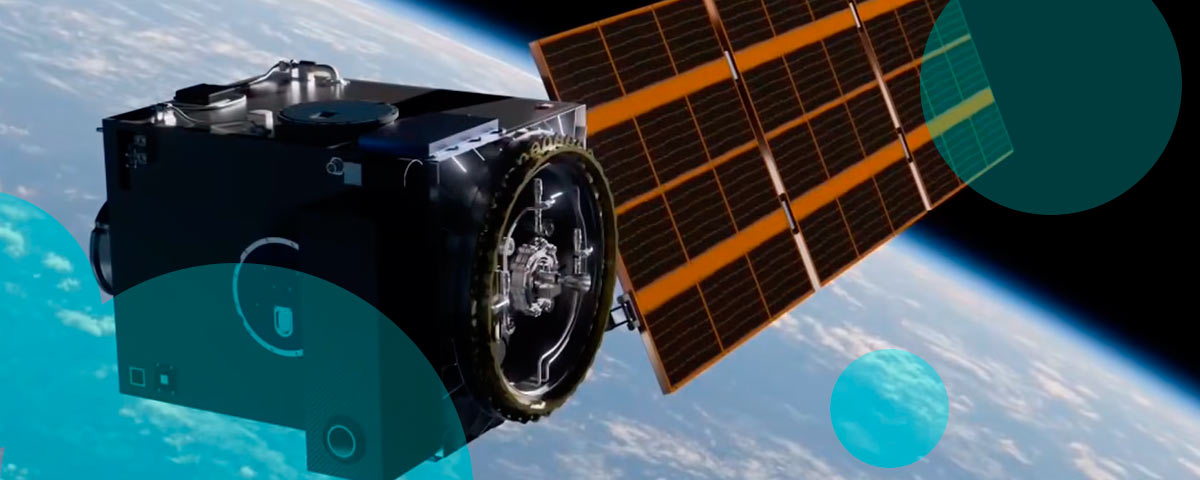
Portal Space Systems, based in Bothell, Washington, has raised $50 mn in a Series A round to accelerate development of its maneuverable spacecraft. The company is pushing forward with its first vehicle, Starburst-1, scheduled for launch as early as this fall on SpaceX’s Transporter-18 rideshare mission.
Portal is also preparing to move into a 52,000-square-foot manufacturing facility near Seattle. The site will support production of future Starburst spacecraft and the more advanced Supernova vehicles.
Chief executive Jeff Thornburg, who founded the company in 2021 after roles at SpaceX and Stratolaunch Systems, said the funding gives the team room to move faster.
He said the focus stays on demonstrating Starburst and Supernova capabilities and making them available to customers as quickly as possible.
The thing that’s exciting me the most, and really the company at large, is that it helps us move faster. We’re obviously focused on getting Starburst and Supernova capabilities demonstrated and available to our customers as quickly as we can.
Jeff Thornburg, CEO of Space Systems
Geodesic Capital and Mach33 led the round, with Booz Allen Ventures, AlleyCorp and FUSE also participating. The funding builds on a $17.5 mn seed round announced last year.
Portal is developing a solar thermal propulsion system for its Supernova vehicle. The system uses concentrated sunlight to heat ammonia-based propellant, enabling rapid orbital adjustments. Maneuvers which would take weeks or months with conventional propulsion could be completed in hours or days.
Starburst uses a more traditional thruster system, though it shares most of its components with Supernova. Thornburg said 81% of parts overlap, which helps streamline development.
Even as a smaller platform, Starburst still carries substantial delta-v capacity.
Starburst-1 is being prepared for a potential October launch. It will carry payloads including a video camera and edge processing system from TRL11, along with a superconducting magnetic actuator from Zenno Space. The mission is expected to run for a year in sun-synchronous orbit.
Portal already tested parts of the system. An experimental payload called Mini-Nova launched last month to validate control software and power systems for both Starburst and Supernova.
Thornburg said the system remains healthy, which supports the timeline for upcoming missions.
The first Supernova launch is planned for next year, supported in part by $45 mn from the US Space Force’s SpaceWERX programme. Thornburg said the vehicle will handle missions tied to defence needs, especially those requiring rapid maneuverability.
The company is also expanding production plans. Portal aims to build up to four spacecraft per month by the end of 2027. Headcount currently sits at around 40 employees and is expected to double within the year.
Use cases span defence and commercial markets. On the defence side, the company targets space domain awareness and protective operations in orbit, where rapid response matters. Thornburg pointed to growing activity from adversaries and the need for comparable capabilities.
Commercial applications include orbital debris tracking and removal. Satellite fragmentation events create operational risks and costs, and companies are starting to see financial incentives in managing debris.
Portal has partnered with Australian venture Paladin Space to develop a debris tracking and removal service, with potential launch as early as next year.
The company is also in discussions with Starlab Space, which plans to integrate the service into future space station operations.
Supernova could also support NASA’s Artemis programme. Thornburg said the vehicle’s performance allows movement between geostationary orbit and cislunar space without relying on rockets, opening use cases in logistics, communications and data handling.
Investors backing the round pointed to mobility as a defining factor in future space infrastructure. Geodesic Capital and Mach33 said the company combines propulsion expertise with spacecraft engineering built for reliability and scale, positioning it to expand capabilities in orbital operations.