Follow Beinsure
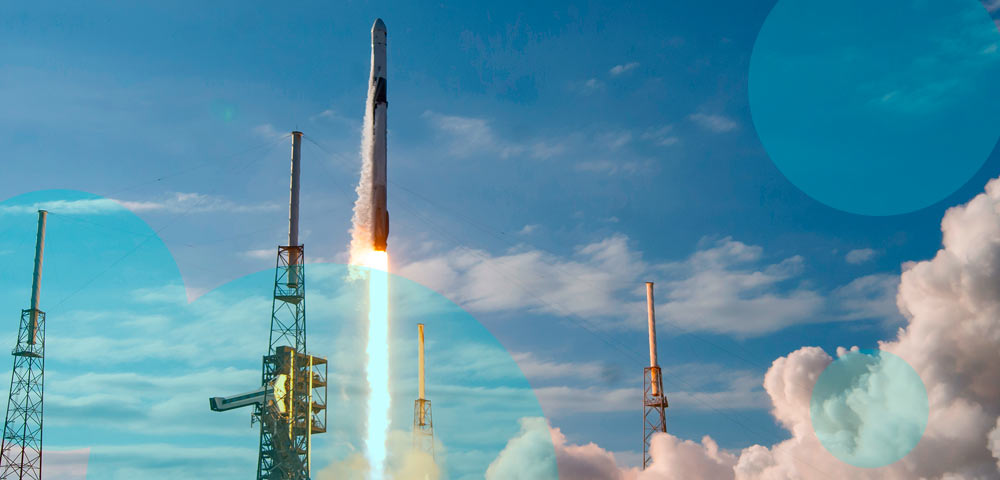
World Space Week 2026 is underway in October, with this year’s Rocket Revolution theme focused on changes in how people, companies and governments reach space. Reusable rockets, commercial launch providers, new launch vehicles, university teams and a wider group of national space programs are changing the economics and frequency of missions to orbit.
The annual event brings together space agencies, companies, educators, students, museums, astronomy clubs and other organizations. More than 50,000 events are planned across over 100 countries, according to the World Space Week Association, making it the world’s largest annual space event.
World Space Week dates back to a United Nations decision in 1999 establishing Oct. 4–10 as an annual observance. The dates connect two milestones in spaceflight history: the launch of Sputnik 1 on Oct. 4, 1957, and the entry into force of the Outer Space Treaty on Oct. 10, 1967.
The 2026 theme centers on a launch sector moving beyond the model dominated for decades by large government programs and expendable rockets. Commercial operators now fly alongside national agencies, while reusable vehicles and smaller launch systems give more organizations routes to orbit.
World Space Week Global Map
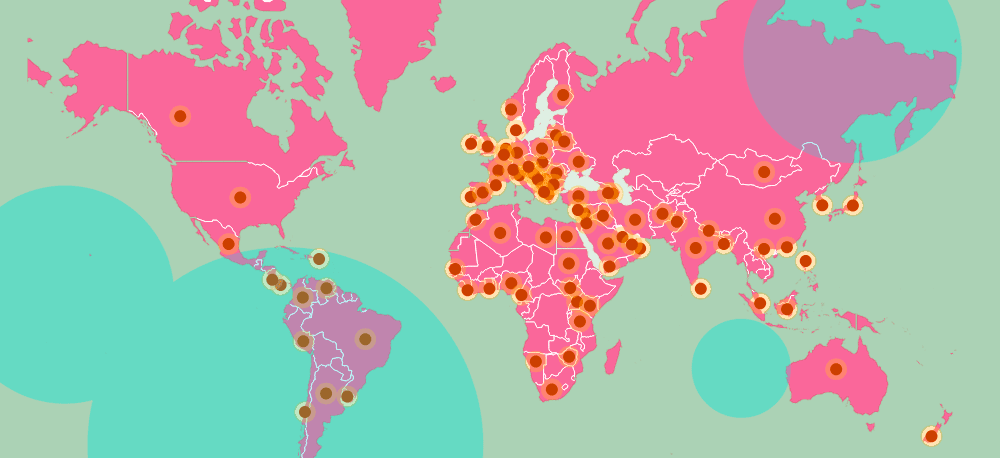
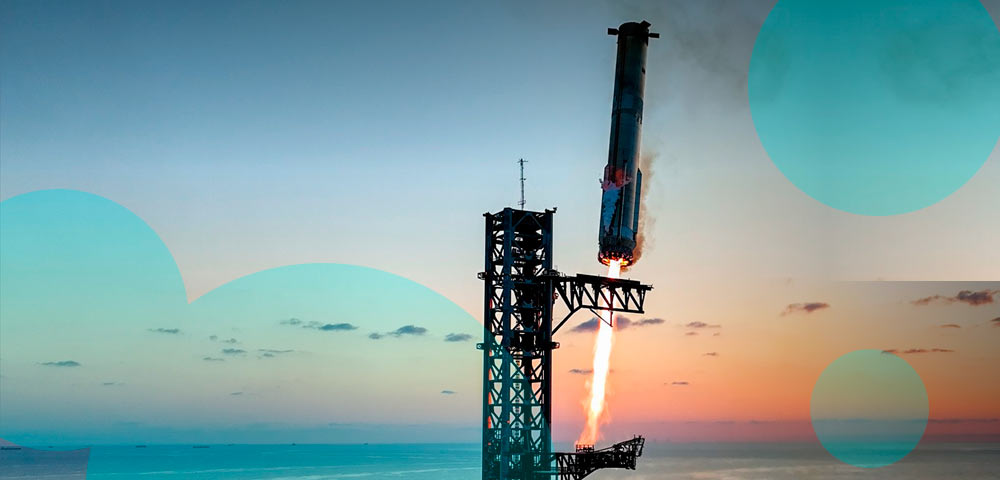
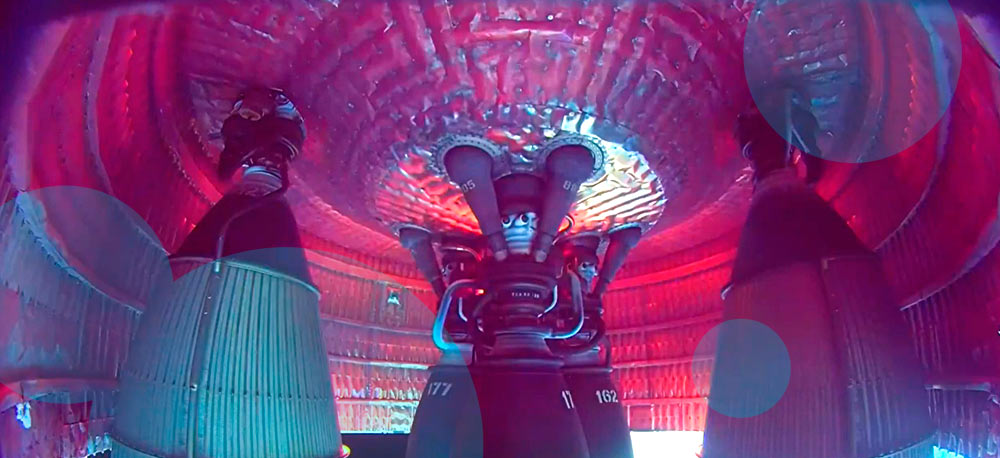
Reusable boosters have already shown how major rocket components return to Earth and fly again.
New launch architectures are also changing launch schedules and costs, while smaller vehicles give satellite operators more choices over how and when payloads reach orbit.
World Space Week organizers said falling launch prices and wider access have encouraged new space applications. The 2026 program also puts attention on students studying science, technology, engineering and mathematics as demand for space-related skills grows.
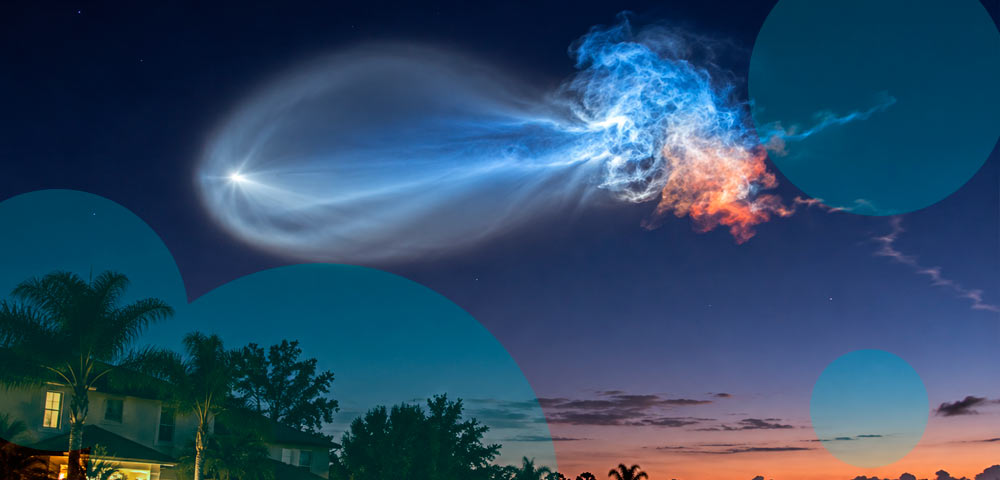
SpaceX’s Starship provides one recent example of the changes behind this year’s theme. During its Sept. 28 Flight 14 test, Starship reached orbit for the first time and deployed 26 Starlink V3 satellites.
An engine issue ended the mission earlier than planned, although the vehicle completed its main objectives of reaching orbit and releasing its payload.
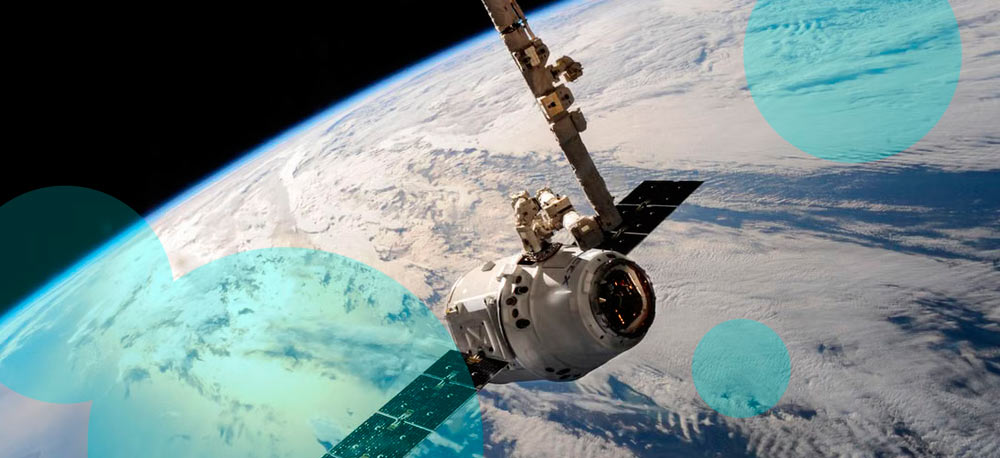
More frequent launches support a growing number of communications, navigation, weather and Earth-observation satellites.
Spacecraft also provide data used for environmental monitoring, disaster response and connectivity, connecting launch technology with services already used on Earth.
The World Space Week program extends beyond launch companies and national space agencies. Schools, families and rocket clubs are taking part through educational projects designed around rocket science and engineering, including exercises dealing with reusable launch vehicles.
Estes Education partnered with World Space Week on a Rocket Revolution Toolkit for classrooms, families and clubs. Students are being encouraged to work with model rockets and study engineering problems involved in designing vehicles intended for repeated flights.
Major organizations are also running public events during the week. The European Space Agency and The Pokémon Company International are participating in a Europe-wide space exhibition and Pokémon GO event, while Kennedy Space Center Visitor Complex in Florida is hosting a World Space Week Expo involving NASA and industry participants.
United Launch Alliance and Estes are supporting model-rocket activities for students and clubs. BBC StoryWorks Commercial Productions is also presenting an online Space Renaissance event built around the premiere of a new film and a discussion about communicating space science to broader audiences.
The United Nations has been involved in international space affairs since the early years of the space age. The General Assembly created the Committee on the Peaceful Uses of Outer Space in 1959, two years after Sputnik 1 entered orbit, with work covering international cooperation, peaceful uses of space and space law.
The UN Office for Outer Space Affairs supports this work and serves as secretariat for the committee. At least 25 UN entities use space science, satellite services or related technologies in their activities, ranging from agriculture and health programs to environmental monitoring.
UN agencies have previously used space-based research in projects involving crops and food production. The International Atomic Energy Agency and Food and Agriculture Organization sent seeds to the International Space Station in 2022 to study how space conditions affect plant genetics.
Satellite technology also has applications in health programs. The World Health Organization has worked with the UN Office for Outer Space Affairs on the use of space science and satellite services in global health.
Orbital debris is another part of the UN’s work as the number of spacecraft grows. The UN Environment Programme has addressed the long-term environmental effects of activity in orbit, where millions of fragments and other pieces of debris surround Earth.
For World Space Week 2026, rockets remain the main subject. The shift toward reusable vehicles, private launch companies and more frequent missions is widening participation in spaceflight after decades when access depended mainly on a small group of national programs.
Events covers launches, engineering, education and the growing number of organizations seeking access to orbit. The Rocket Revolution theme puts those changes in one frame: who reaches space, how often missions fly and what those missions are built to do.