- Starship Flight 15 launch time and mission schedule
- SpaceX to attempt first simultaneous recovery of both Starship stages
- Starship will launch 26 operational Starlink V3 satellites
- Starship V3 technology and reusable rocket development
- Starship’s importance for NASA Artemis Moon missions
- Flight 15 could establish a new milestone in orbital rocket recovery
SpaceX is preparing to launch Starship Flight 15 on November 13, 2026, in its first attempt to recover both the Super Heavy booster and Starship upper stage at its Starbase facility in South Texas.
The 124-metre rocket is scheduled to lift off during a 75-minute launch window opening at 4:45 p.m. CST (22:45 UTC). The mission will test whether SpaceX can return an entire orbital launch system to its launch site rather than discard the spacecraft in the ocean.
- Starship Flight 15 is targeting November 13 at 22:45 UTC, with the first attempt to catch both the Super Heavy booster and Starship spacecraft.
- The mission will deploy 26 operational Starlink V3 satellites before Ship 42 attempts its return to Starbase on November 14.
- SpaceX has invested at least $15 bn in Starship development, while NASA has provided approximately $3.2 bn for the rocket’s role in the Artemis lunar programme.
The Super Heavy booster is expected to return approximately 10 minutes after liftoff. Ship 42 will remain in orbit for about 22.5 hours, complete 14 revolutions around Earth and attempt a landing on November 14.
If both stages are successfully caught by the launch tower’s mechanical arms, Flight 15 will mark the first complete recovery of an orbital rocket and spacecraft.
Starship Flight 15 launch time and mission schedule
SpaceX has stacked Ship 42 on Super Heavy Booster 22 at its Starbase launch facility, completing a major prelaunch preparation step.
The upper stage was transported to the launch pad on November 12, following testing of the booster and spacecraft engines.
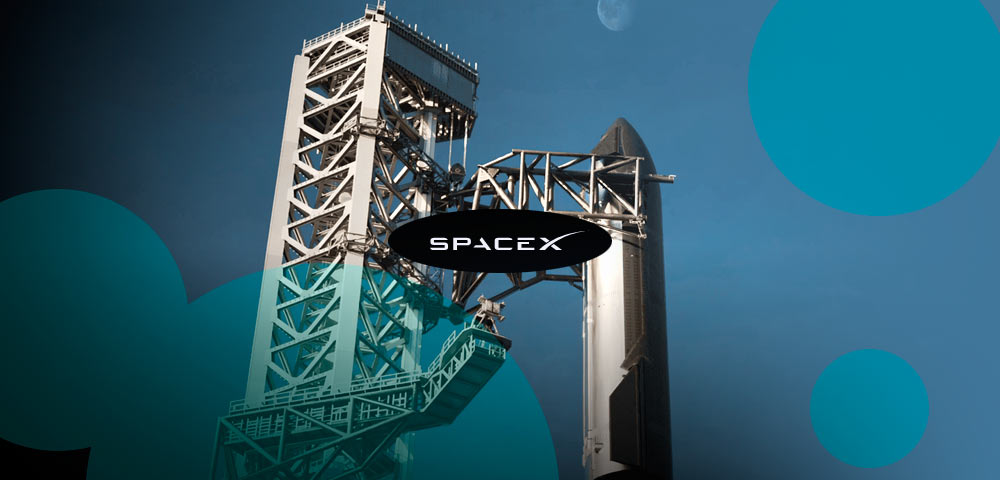
The two-stage Starship system stands approximately 407 feet (124 metres) tall and is designed to support repeated launches with both major flight components recovered and reused.
The planned flight schedule includes:
| Mission event | Planned time |
|---|---|
| Launch window opens | November 13, 22:45 UTC |
| Super Heavy booster catch | Approximately 10 minutes after launch |
| Starlink V3 satellite deployment | During the orbital mission |
| Starship upper-stage catch | November 14, approximately 20:45 UTC |
| Total mission duration | Approximately 22.5 hours |
The upper-stage return is scheduled for around 2:45 p.m. CST on November 14, subject to flight performance and operational conditions.
As of Friday morning, the US Federal Aviation Administration had not issued the required launch licence. SpaceX’s launch schedule therefore remained subject to regulatory approval.
SpaceX to attempt first simultaneous recovery of both Starship stages
The central objective of Flight 15 is to demonstrate that both components of Starship can return to their launch site.
SpaceX has previously recovered Super Heavy boosters using large mechanical arms attached to its launch tower, commonly known as “chopsticks”.
The company has completed three booster catches, with the last occurring in March 2025.
Flight 15 will be the first attempt to catch a Starship upper stage after orbital flight, extending the recovery technology already demonstrated with Super Heavy.
The booster will separate from the spacecraft during ascent, perform a controlled return and descend vertically toward the tower.
After the booster is secured, SpaceX must clear the landing area before the spacecraft returns the following day.
Ship 42 will face a more complex recovery because it must survive orbital reentry, manage extreme thermal loads and execute a controlled landing after travelling around Earth.
Its return will depend on the condition of the heat shield, propulsion systems and flight controls. SpaceX may abandon the landing attempt if conditions do not support a safe recovery.
Unlike previous Starship missions, which ended with ocean splashdowns, Flight 15 is intended to demonstrate the return-to-launch-site capability required for routine spacecraft reuse.
Starship will launch 26 operational Starlink V3 satellites
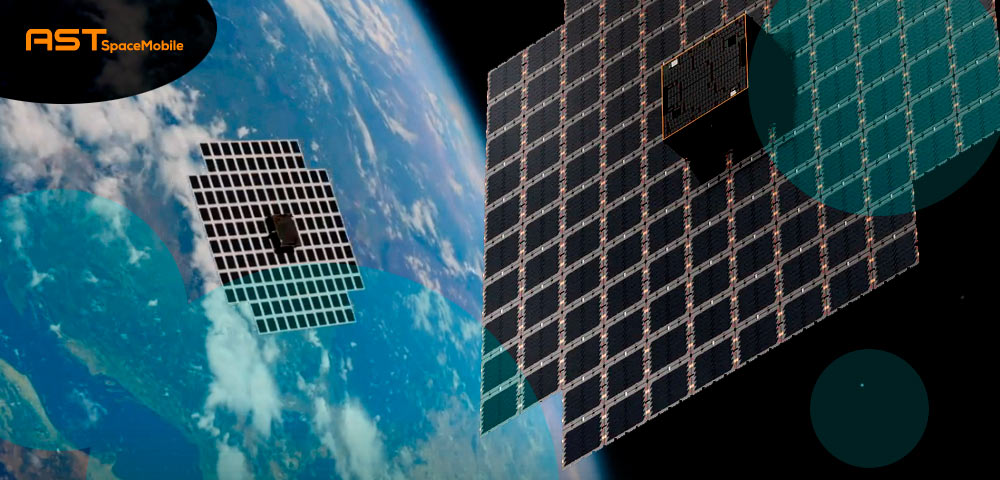
Flight 15 will also carry 26 next-generation Starlink V3 satellites into low Earth orbit. The deployment makes the mission part of SpaceX’s operational satellite business as well as an experimental vehicle test.
Starship is designed to carry larger and more capable satellites than the company’s Falcon 9 rocket, allowing SpaceX to expand its broadband constellation with fewer launches.
Each Starlink V3 satellite is designed to provide approximately 1 terabit per second of network capacity, supporting SpaceX’s plans to expand satellite internet throughput.
Three satellites are equipped with cameras intended to inspect Starship’s heat shield and transmit images to engineers during the mission.
The observations will provide additional information about the spacecraft’s thermal protection system ahead of its planned orbital reentry and recovery.
SpaceX’s previous Starship mission, Flight 14, launched on September 28 and successfully delivered 26 Starlink V3 satellites to orbit.
However, several engine shutdowns affected that flight, which ended after approximately three hours rather than its originally planned 10-hour duration.
The upper stage completed an intact splashdown in the Pacific Ocean instead of attempting recovery at Starbase.
Starship V3 technology and reusable rocket development
Flight 15 will test the next-generation Starship V3 architecture, including changes to the propulsion systems, thermal protection and recovery procedures.
SpaceX has reinforced sections of the spacecraft’s heat shield, including modifications to tile retention systems and the use of curved tiles intended to reduce heating in gaps between protective surfaces.
The company has also tested the Super Heavy booster ahead of its return to the launch tower. These changes are central to reducing the refurbishment required between missions.
SpaceX’s longer-term objective is to increase Starship’s launch frequency to approximately one flight per week during the first half of 2027.
Full rocket reusability would allow SpaceX to recover its most expensive launch hardware and prepare both stages for subsequent flights instead of manufacturing replacements after each mission.
The ability to return the upper stage is particularly important because an orbital spacecraft experiences substantially greater reentry heating than the booster.
The company is also developing launch infrastructure in Florida, with operations potentially beginning at a new site by the end of 2026.
Starship’s importance for NASA Artemis Moon missions
Starship’s development extends beyond the Starlink network.
NASA selected a modified version of the spacecraft as a human landing system for its Artemis programme, which aims to return astronauts to the lunar surface.
The agency has provided approximately $3.2 bn toward Starship development since selecting the vehicle in 2021.
SpaceX and NASA currently target a crewed lunar landing in 2028, although major engineering demonstrations must still be completed.
One of the most important is transferring large quantities of propellant between Starship vehicles in orbit.
Orbital refuelling is essential to Starship’s planned lunar missions because the spacecraft will need additional propellant after reaching Earth orbit to travel to the Moon and support landing operations.
The programme also requires further demonstrations of reliable spacecraft recovery, repeated launches and extended operations in space.
NASA is developing additional lunar mission capabilities with Blue Origin, whose Blue Moon lander is expected to participate in the Artemis programme.
Before a crewed lunar landing, NASA plans an Artemis III orbital docking test involving its Orion spacecraft and commercial lunar landing vehicles.
The subsequent Artemis IV mission is planned to support the agency’s next attempt to land astronauts on the Moon.
Flight 15 could establish a new milestone in orbital rocket recovery
A successful double catch would establish an important technical milestone for SpaceX’s reusable launch system.
Recovering Super Heavy and Ship 42 would demonstrate controlled return and landing capabilities across both stages of a rocket designed to reach orbit.
It would not, however, establish rapid reusability on its own. SpaceX would still need to inspect, refurbish and relaunch recovered hardware to demonstrate that the process can support frequent, cost-effective missions.
The result of Flight 15 will therefore be significant for the company’s future Starlink launches, orbital infrastructure plans and NASA lunar commitments.