Follow Beinsure
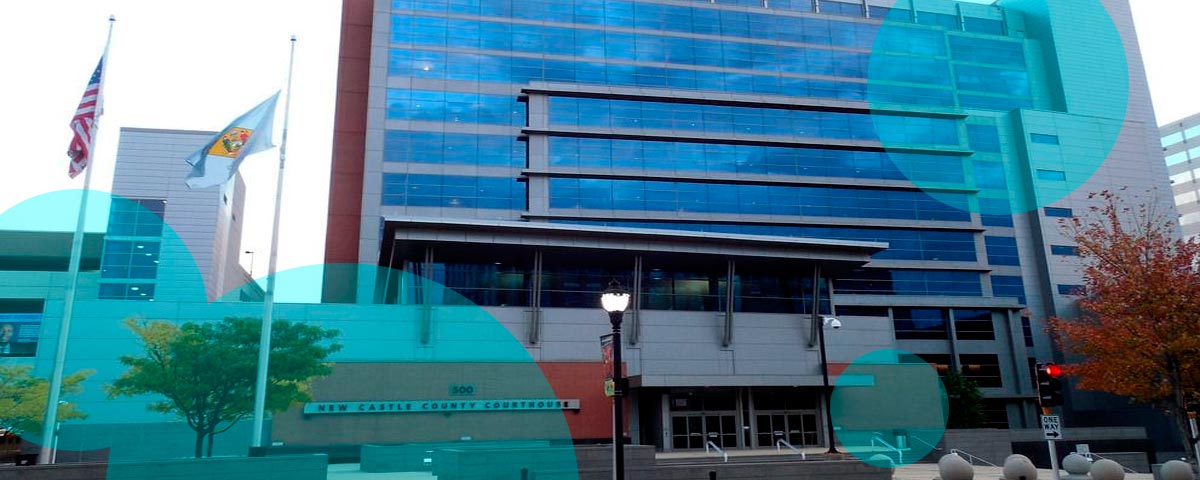
A Delaware Superior Court judge ruled insurers have no duty to defend Meta Platforms in thousands of lawsuits alleging Facebook and Instagram harm children.
Judge Sheldon K. Rennie found the complaints describe deliberate conduct rather than accidental events, which commercial general liability policies require to trigger defense coverage.
The coverage dispute sits in Delaware, Meta’s state of incorporation, even though the underlying cases are consolidated in California as part of the Social Media Litigation. Those suits include claims brought by children, more than a thousand school districts and 43 states.
Plaintiffs allege Meta intentionally designed addictive features and algorithms that contributed to anxiety, depression and eating disorders among young users.
Hartford, Chubb and more than 20 other insurers sought a declaratory judgment that they owe no duty to defend.
Meta argued its product design decisions qualify as accidents because it did not intend the alleged injuries.
According to the company, unintended harm should satisfy the occurrence requirement in its policies.
Insurers countered that intent to cause harm is not the test. They argued the complaints allege intentional conduct, and the alleged injuries flow directly from that conduct.
Under standard liability wording, an accident does not include deliberate design choices, even if the resulting harm was not specifically intended.
Judge Rennie agreed. He wrote that the allegations, even when framed as negligence, describe purposeful acts rather than accidents.
Because his analysis rests solely on the face of the complaints, he concluded the coverage ruling does not overlap with factual determinations to be litigated in California.
The decision addresses only the duty to defend, not indemnification. Indemnity questions may require factual development. Meta has 30 days to appeal to the Delaware Supreme Court.
Meta had sought dismissal or a stay of the coverage case, arguing California law requires courts to pause insurance litigation when factual issues overlap with the underlying action.
Insurers responded that no factual findings about intent or causation were necessary to resolve the duty-to-defend question. The court sided with insurers.
The opinion emphasized timing. An insurer’s duty to defend must be assessed at the outset of litigation. If no potential for coverage exists, carriers are entitled to exit early rather than fund a defense they do not owe.
Policyholder attorney Tae Andrews of Calfee, Halter & Griswold LLP said the ruling continues what he views as a narrowing of Delaware’s duty-to-defend standard. He pointed to a 2022 Delaware Supreme Court decision holding Chubb had no duty to defend Rite Aid in opioid-related suits seeking economic losses.
For insurers, the Meta ruling strengthens the argument that claims premised on intentional product design fall outside standard general liability coverage.
According to Beinsure analysts, the decision may influence how carriers evaluate technology platform risk, especially where complaints frame harm as the foreseeable outcome of algorithmic choices.
The underlying social media cases proceed in California. Plaintiffs argue Section 230 of the Communications Decency Act does not shield companies from liability tied to platform design and algorithms. Coverage, at least at the defense stage, will not follow automatically.