- FAA expands SMART AI system across 22 air traffic control centres
- How FAA SMART uses artificial intelligence for flight planning
- Nationwide FAA ground stop exposes ageing communications infrastructure
- AI developer denies SMART was responsible for FAA outage
- FAA modernisation faces infrastructure and operational challenges
The Federal Aviation Administration (FAA) expanded its $875 mn AI-powered SMART air traffic management system across all 22 US air route traffic control centres on November 10, 2026, three days before a nationwide ground stop disrupted more than 12,000 flights.
The November 13 shutdown followed a telecommunications failure affecting air traffic control communications and radar systems. Transportation Secretary Sean Duffy attributed the disruption to overloaded switches and routers in ageing infrastructure, rather than the recently deployed artificial intelligence platform.
Air Space Intelligence (ASI), the company developing SMART, denied that its technology or integration with FAA systems caused the outage. Federal officials also reported no evidence of a cyberattack, although the investigation remained ongoing.
- The FAA expanded its $875 mn SMART AI system nationwide after an initial deployment in Washington, DC, where it helped reroute 180 flights.
- SMART analyses approximately 200 data streams to recommend routes, departure times and arrival sequences, while human controllers retain operational authority.
- The nationwide ground stop was attributed to overloaded legacy communications equipment, with officials reporting no evidence linking the disruption to SMART.
The nationwide ground stop lasted approximately four hours before the FAA reopened US airspace at 8:15 p.m. Eastern Time on November 13. Flight delays and cancellations continued into November 14.
FAA expands SMART AI system across 22 air traffic control centres
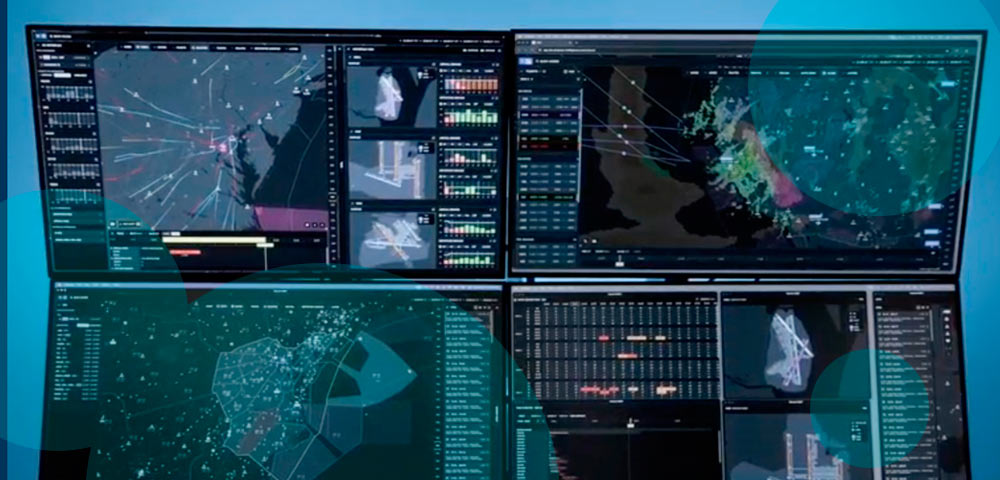
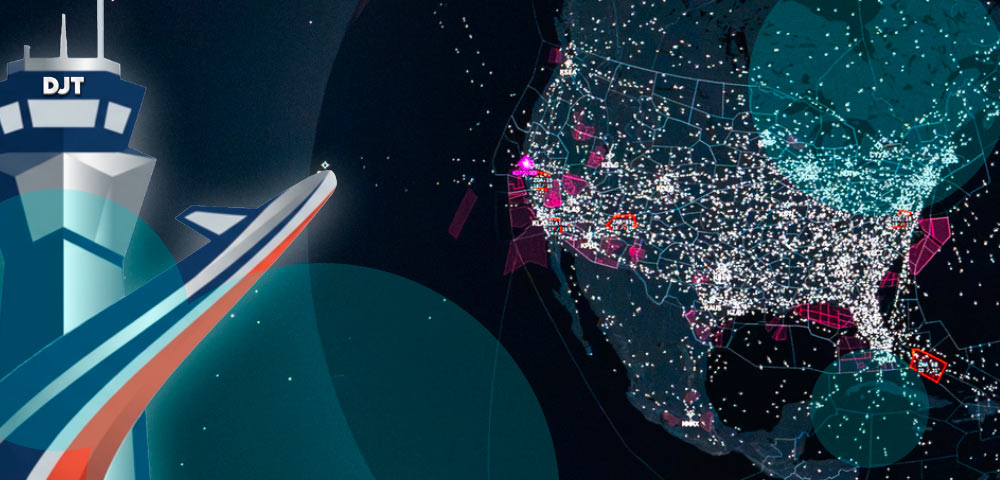
SMART, short for Strategic Management of Airspace, Routes and Trajectories, is a cloud-based planning platform designed to improve air traffic efficiency.
The system combines information on weather conditions, scheduled flights, traffic flows, airport capacity and controller staffing to anticipate congestion and recommend operational changes.
Its purpose is to identify potential conflicts before aircraft depart, allowing airlines and air traffic managers to adjust routes and departure schedules.
The FAA initially introduced SMART in the National Capital Region on September 21 before expanding its coverage to Atlanta, Jacksonville and Miami.
On November 10, the agency announced that SMART would be deployed across all 22 air route traffic control centres.
During its initial deployment, SMART helped reroute 180 flights, saving an average of 10 minutes and nearly 80 gallons of fuel per flight, according to the FAA.
The agency expects the expanded system to reduce delays, fuel consumption and congestion while improving available airspace capacity.
SMART is also designed to help controllers manage changing weather conditions more precisely. Instead of restricting large rectangular sections of airspace around storms, the platform can identify usable corridors and alternative flight paths.
How FAA SMART uses artificial intelligence for flight planning
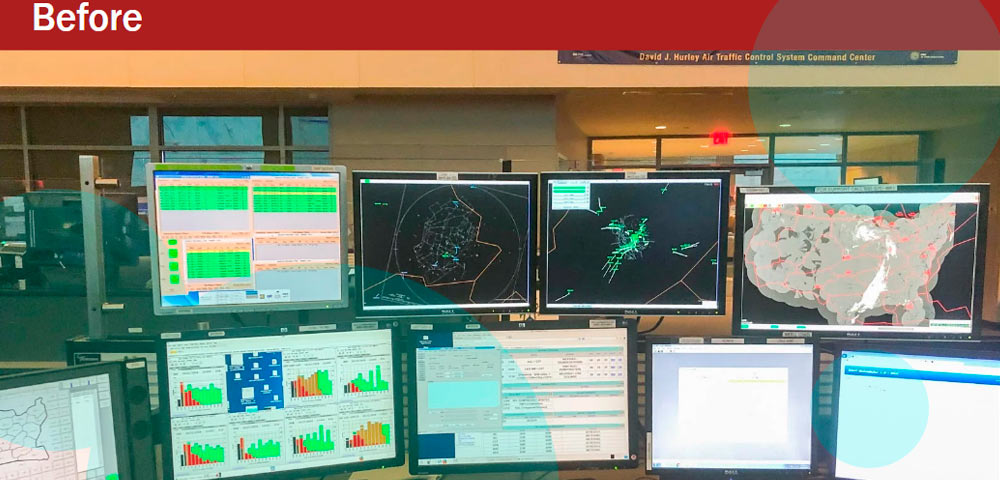
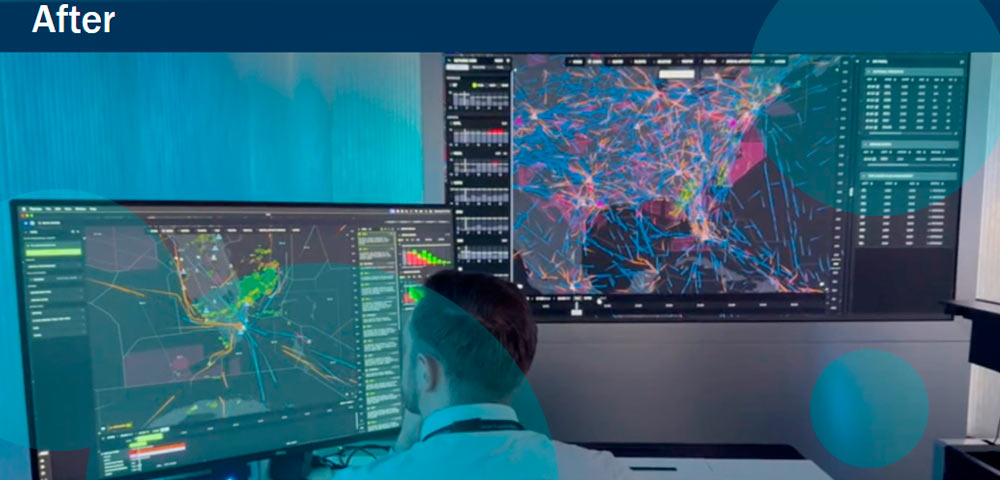
SMART operates as a planning layer alongside existing FAA air traffic management systems rather than replacing them.
Its AI engine continuously processes operational data to predict where congestion, weather disruptions or capacity constraints could develop.
The platform produces recommendations on flight routing, departure timing and the order in which aircraft should arrive at airports.
These recommendations are reviewed by FAA aviation specialists at a central facility near Washington, DC, before being forwarded to air traffic control facilities.
SMART cannot assume control of aircraft or replace air traffic controllers. Local controllers retain responsibility for aircraft separation and can accept or reject its recommendations.
The Department of Transportation describes the platform as a shared source of operational information intended to improve coordination between the FAA, airlines and other aircraft operators.
For example, SMART can identify an alternative route when several flights are scheduled to enter congested airspace simultaneously.
It can also recommend reopening previously restricted routes when weather conditions improve, reducing the need to keep aircraft on the ground longer than necessary.
The system’s forecasts are updated as operating conditions change throughout the day.
Nationwide FAA ground stop exposes ageing communications infrastructure
The nationwide aviation disruption began on November 13 after communications problems affected multiple air route traffic control centres.
The FAA initially described the situation as extraordinary circumstances requiring a precautionary halt to departures.
Subsequent briefings identified instability involving radar information and communications between air traffic control facilities.
Transportation Secretary Sean Duffy said the failures involved legacy time-division multiplexing technology, including outdated switches, routers and copper-based communications lines.
The equipment reportedly became overloaded, creating inconsistencies in the information available to controllers.
Federal officials attributed the disruption to ageing telecommunications infrastructure. No evidence had emerged of a cyberattack or a connection to Microsoft’s separate service outage.
Airports across the country experienced cancellations, extended departure delays and aircraft diversions.
The disruption affected more than 11,000 flights on November 13, with further operational problems reported the following day as airlines worked to reposition aircraft and crews.
The outage demonstrated that modern flight-planning capabilities still depend on reliable communications infrastructure to implement operational decisions.
AI developer denies SMART was responsible for FAA outage
The timing of the disruption prompted questions about whether the nationwide SMART deployment had contributed to the communications failure.
ASI rejected that connection in a statement issued while the ground stop was underway. The company said the incident was unrelated to SMART, its other products or their integration with FAA and air traffic control infrastructure.
Officials subsequently indicated that the new AI forecasting platform was not involved in the failure.
The National Air Traffic Controllers Association (NATCA), which represents more than 15,000 aviation professionals, had separately raised concerns about its limited involvement in the system’s development.
The union said it had not participated in SMART’s design, testing or implementation and therefore could not assess its implications for air traffic controllers.
SMART is intended to improve traffic planning, but responsibility for air traffic safety and operational decisions remains with FAA specialists and controllers.
Airline executives, including Delta Air Lines CEO Ed Bastian and American Airlines CEO Robert Isom, had previously supported the technology’s introduction.
FAA modernisation faces infrastructure and operational challenges
The $875 mn SMART programme forms part of the FAA’s broader efforts to modernise how US airspace is managed. Its initial deployment showed potential efficiency improvements through shorter flight routes and reduced fuel consumption, although the FAA has not yet published comprehensive nationwide operating results.
The November 13 outage exposed a separate challenge: the continued dependence of the national aviation system on ageing communications and radar infrastructure.
The federal government has called for additional investment to replace legacy equipment and improve system reliability.
SMART’s nationwide deployment will therefore be assessed alongside the FAA’s wider infrastructure modernisation programme, including whether the platform can deliver measurable reductions in delays without adding operational complexity.
The cause of the communications overload remains under investigation, while the available evidence does not establish any connection between the outage and the AI system.