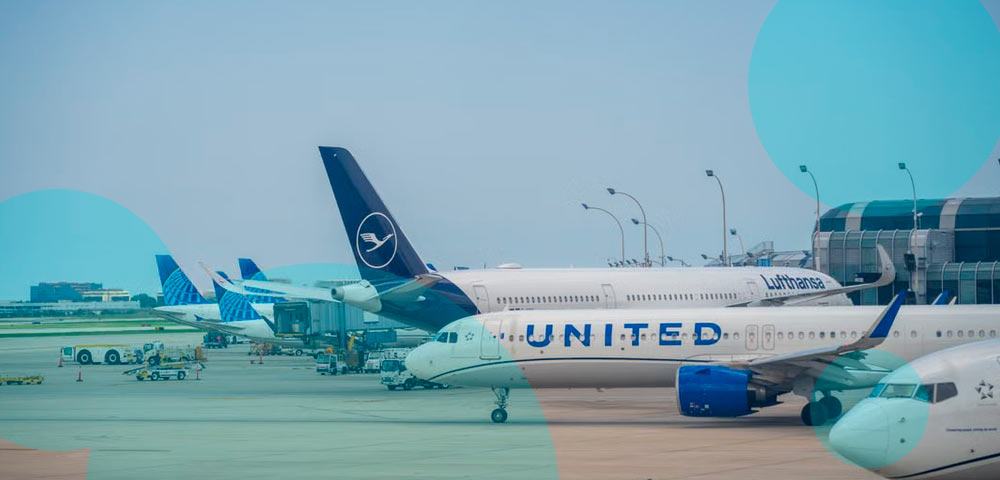
- Nationwide FAA ground stop disrupts thousands of US flights
- Chicago O’Hare, Atlanta and JFK face major cancellations
- Router failure during L3Harris upgrade triggered FAA outage
- US officials find no evidence of cyberattack
- FAA seeks $50 bn to modernise US air traffic control
- What passengers should do after US flight cancellations
Thousands of flights across the United States were cancelled or delayed after a nationwide air traffic control communications failure forced the Federal Aviation Administration (FAA) to suspend departures on November 13, 2026.
The ground stop lasted approximately five hours, affecting one of the busiest travel periods of the week. At least 9,000 flights were cancelled on Friday, while further disruption continued on Saturday, November 14, despite the FAA restoring normal airspace operations.
- A nationwide FAA ground stop disrupted around 20,000 flights on Friday, with thousands cancelled and passengers stranded at major US airports.
- Preliminary findings point to a router-related telecommunications failure during an infrastructure upgrade, with no evidence of a cyberattack.
- Chicago O’Hare, Atlanta Hartsfield-Jackson and New York JFK were among the worst-affected airports as airlines faced further cancellations and crew shortages.
US Transportation Secretary Sean Duffy said the incident was linked to work on the country’s ageing telecommunications infrastructure. A router involved in an upgrade by defence contractor L3Harris overloaded other air traffic control systems, causing communications instability.
The FAA confirmed that its air traffic control system was stable on Saturday, but warned that between 4,000 and 5,000 flights could still be cancelled as airlines worked to restore schedules.
Nationwide FAA ground stop disrupts thousands of US flights
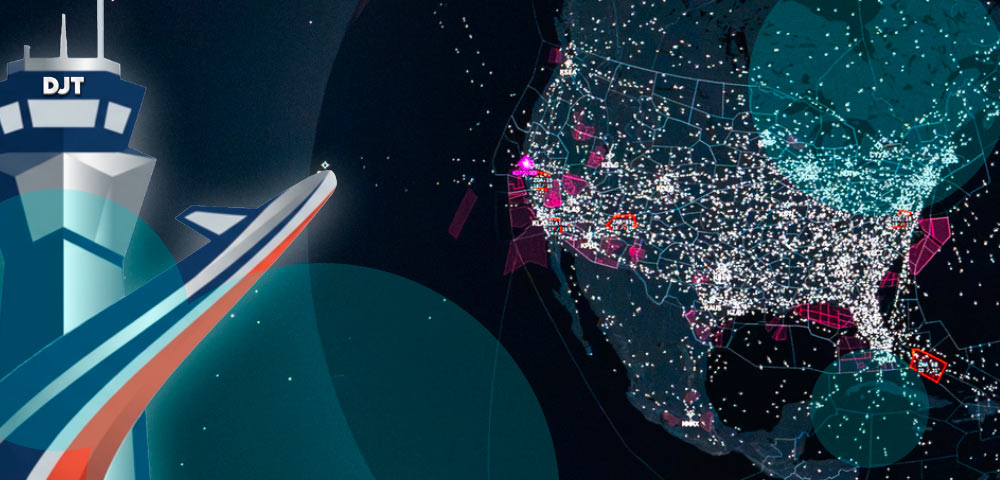
The FAA ordered the suspension of almost all departing flights on Friday after instability developed in the communications network supporting air traffic control operations.
The grounding was one of the most extensive nationwide aviation interruptions since the September 11 attacks in 2001.
FAA Administrator Bryan Bedford said approximately 20,000 flights were affected during the stoppage. Controllers were able to recover around 9,000 services, leaving approximately 12,000 unable to operate as originally planned, including private and general aviation flights.
Commercial aircraft already airborne were generally allowed to land, while most scheduled departures remained on the ground.
Approximately 60 flights, primarily international services departing coastal airports for Europe and Asia, were permitted to take off during the restrictions.
The FAA suspended departures as a safety precaution after communications equipment began transmitting inconsistent data across the air traffic control network.
The shutdown caused congestion at major aviation hubs as arriving aircraft continued to land while outbound flights remained parked.
Chicago O’Hare temporarily used one of its runways to accommodate grounded aircraft. Some passengers were held aboard planes for several hours, including travellers arriving from Las Vegas who waited more than five hours before disembarking.
The FAA lifted the nationwide restriction late on Friday, allowing airlines to begin clearing the backlog.
Chicago O’Hare, Atlanta and JFK face major cancellations
Flight-tracking data showed continued disruption throughout Saturday, with cancellations concentrated at some of the country’s busiest airports.
By late Saturday afternoon, FlightAware had recorded approximately 3,807 cancellations and 2,145 delays involving flights within, into or out of the United States.
The most affected airports included:
- Chicago O’Hare International Airport, Illinois
- Hartsfield-Jackson Atlanta International Airport, Georgia
- John F. Kennedy International Airport, New York
Delta Air Lines recorded 652 cancellations, followed by United Airlines with 553 and American Airlines with 520, according to the reported FlightAware figures.
Around 41,000 flights were scheduled across US airspace on Saturday, including commercial and general aviation operations.
Bedford said the full recovery could take until the end of the weekend, even though the technical systems were operating normally.
Airlines must reposition aircraft, pilots and cabin crews before restoring scheduled services, meaning cancellations can continue after air traffic restrictions are lifted.
International services also faced potential disruption where aircraft and crews had been delayed or stranded away from their scheduled departure airports.
British Airways and Air France indicated that their US-bound flights were expected to operate as planned, although passengers were advised to check their flight status before travelling.
Router failure during L3Harris upgrade triggered FAA outage
Preliminary findings identified telecommunications equipment as the likely source of the nationwide disruption.
Duffy said contractor L3Harris had been upgrading communications infrastructure at a remote location, replacing obsolete copper wiring with fibre-optic technology.
During the work, a router began overwhelming other parts of the air traffic control network with data, producing communications instability.
The resulting problems affected the transmission of operational information and voice communications used by controllers.
Investigators are examining whether the failure resulted from faulty equipment or errors during the installation process.
Duffy confirmed that the incident occurred during an infrastructure upgrade, but said the investigation had not determined whether defective hardware or contractor error caused the failure.
Preliminary technical information also identified older Cisco 600-series routers, manufactured between 2001 and 2006, as equipment of interest.
Sources familiar with the investigation said overloaded routers had transmitted out-of-sync data packets, potentially creating interference on voice communication lines and instability in controller displays.
The affected equipment was subsequently isolated. The FAA Telecommunications Infrastructure network, operated by L3Harris, connects air traffic control centres and other aviation facilities across the country.
A safety review commissioned by the FAA in 2023 had warned that the network relied on obsolete telecommunications technology and that a serious failure could disconnect critical facilities.
US officials find no evidence of cyberattack
The nationwide nature of the incident initially raised concerns about a possible cyberattack or foreign interference.
Duffy said senior national security officials, including representatives of the FBI and intelligence agencies, participated in discussions with the White House as investigators assessed the outage.
However, officials said the available evidence pointed to a technical failure rather than a malicious operation.
Homeland Security Secretary Markwayne Mullin also ruled out any identified connection to a separate Microsoft service outage.
FAA Administrator Bryan Bedford said investigators had found no evidence of malicious activity or an AI-related incident affecting the air traffic control system.
The technical investigation remains open, with officials expected to provide a fuller explanation of the equipment failure and the safeguards needed to prevent a recurrence.
FAA seeks $50 bn to modernise US air traffic control
The incident has intensified pressure on Congress to fund the replacement of ageing aviation communications infrastructure.
Duffy previously sought approximately $30 bn for air traffic control modernisation but increased the proposed funding requirement to $50 bn following Friday’s outage.
Officials argue that maintaining decades-old telecommunications equipment alongside modern systems creates operational vulnerabilities.
The disruption also generated political criticism. New York Governor Kathy Hochul called for Duffy’s resignation, citing recurring communications problems and shortages of air traffic controllers.
Bedford warned that the network would remain vulnerable to further failures without substantial investment.
The administration is calling for a comprehensive replacement programme rather than additional incremental repairs to existing infrastructure.
What passengers should do after US flight cancellations
The FAA said affected passengers should contact their airlines directly to arrange alternative travel or request refunds where applicable.
Bedford said travellers whose flights were disrupted would either be rebooked or receive a full refund. However, airlines may need additional time to restore regular services because aircraft and crew rotations have been disrupted across multiple airports.
Passengers flying within the United States or connecting through American airports should confirm their flight status before leaving for the airport.
UK aviation authorities have issued similar advice to travellers departing for the United States.
Although the nationwide ground stop has ended, the consequences for airline schedules and passenger connections may continue for several days.