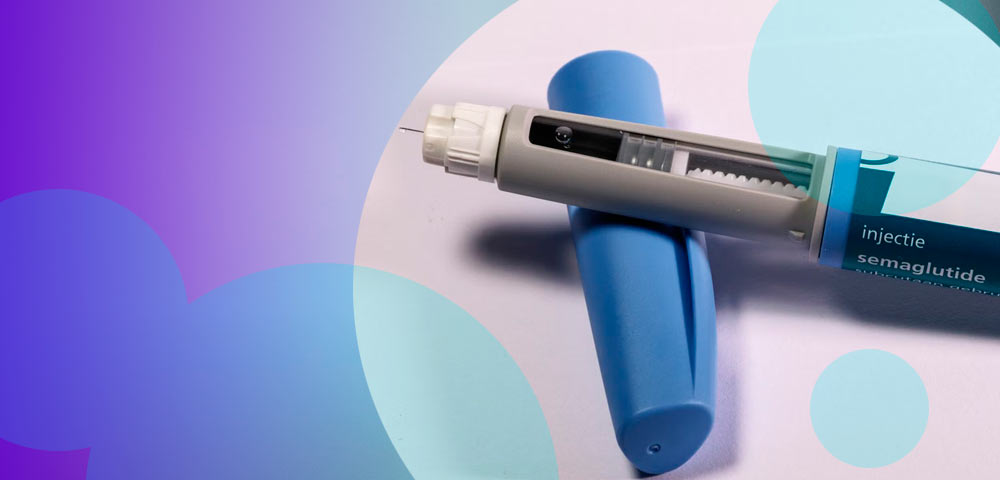
The U.S. Food and Drug Administration (FDA) is requiring new safety warnings for all GLP-1 receptor agonist medications following a review of evidence suggesting a potential increased risk of a rare eye condition that can cause permanent vision loss.
The November decision applies to widely prescribed diabetes and weight-loss treatments, including Novo Nordisk’s Ozempic and Wegovy and Eli Lilly’s Mounjaro and Zepbound.
- The FDA is requiring all GLP-1 medications, including Ozempic, Wegovy, Mounjaro and Zepbound, to carry warnings about a potential increased risk of nonarteritic anterior ischemic optic neuropathy (NAION).
- An FDA analysis of 126 clinical trials involving 134,253 patients identified 6.4 NAION cases per 100,000 patient-years among GLP-1 users, compared with 3.8 in control groups.
- Novo Nordisk maintains that a causal relationship has not been established, while Citi analysts expect the labeling changes to have limited effects on GLP-1 prescriptions.
The FDA is directing manufacturers to update the Warnings and Precautions sections of their prescribing information to address nonarteritic anterior ischemic optic neuropathy (NAION).
The agency has identified a potential association between GLP-1 treatment and NAION but has not established a definitive cause-and-effect relationship.
What Is NAION and Why Is the FDA Warning About It?
NAION is a rare condition caused by reduced blood flow to the front of the optic nerve. It can produce sudden, painless vision loss, typically affecting one eye.
Symptoms may include blurred vision, blind spots, reduced central vision and changes in color perception. Some patients experience permanent visual impairment.
The underlying causes are not fully understood, although established risk factors include diabetes, hypertension, smoking, sleep apnea and kidney disease.
The FDA said NAION cases have been reported among patients using all currently marketed GLP-1 medications. Its decision follows an extensive assessment of randomized clinical trials, observational studies, adverse-event reports and real-world patient data.
FDA Finds Higher NAION Rates Among GLP-1 Users
The FDA analyzed 126 randomized controlled trials involving 134,253 participants, including 78,217 patients receiving GLP-1 medications and 56,036 receiving alternative treatments or placebos. The analysis identified 15 probable NAION events.
Ten occurred among patients taking GLP-1 drugs, while five were reported in the comparison groups.
| FDA clinical trial analysis | GLP-1 treatment | Control group |
|---|---|---|
| Patients | 78,217 | 56,036 |
| Probable NAION cases | 10 | 5 |
| Cases per 100,000 patient-years | 6.4 | 3.8 |
The findings indicate a higher observed incidence among GLP-1 users, although the small number of cases limits certainty about the size of the risk.
The FDA also examined real-world evidence comparing GLP-1 medications with other diabetes treatments. That analysis found a statistically significant increase in NAION risk compared with DPP-4 inhibitors, but not compared with SGLT-2 inhibitors.
The agency concluded that the combined evidence justified additional safety labeling across the GLP-1 drug class.
Novo Nordisk and Eli Lilly Respond to FDA Warning
Novo Nordisk said it continues to believe the available evidence does not demonstrate that its medications cause NAION.
The Danish pharmaceutical company maintained confidence in the overall benefit-risk profile of its GLP-1 portfolio, including Ozempic and Wegovy.
Eli Lilly said the FDA’s communication applies to all medications with GLP-1 receptor agonist activity and does not identify findings specific to its products.
The company is reviewing the updated requirements and plans to respond to the regulator. The FDA’s decision follows earlier regulatory scrutiny in Europe. In June 2025, the European Medicines Agency’s safety committee concluded that NAION was a very rare adverse reaction associated with semaglutide, the active ingredient in Ozempic, Wegovy and Rybelsus.
How Could the GLP-1 NAION Warning Affect the Weight-Loss Drug Market?
Citi analysts expect the additional warnings to attract attention from patients and investors but anticipate a limited impact on overall GLP-1 adoption.
Analyst Geoff Meacham pointed to the rarity of NAION and the established clinical benefits of GLP-1 treatments. Beyond weight reduction and blood sugar control, certain medications in the class have demonstrated benefits for cardiovascular disease, kidney disease and obstructive sleep apnea.
The new warning adds to existing safety information for several GLP-1 products, including boxed warnings concerning thyroid C-cell tumors observed in rodent studies.
Whether those drugs cause similar thyroid tumors in humans remains unknown. For the pharmaceutical industry, the FDA’s latest action introduces an additional safety consideration without changing the approved indications of GLP-1 medications.
What Should Patients Taking GLP-1 Medications Do?
The FDA advises patients to contact a healthcare professional immediately if they experience sudden, painless vision loss, blurred vision or other unexpected visual changes.
Healthcare professionals should arrange prompt ophthalmological assessment when NAION is suspected. The agency also recommends considering discontinuation of GLP-1 treatment in patients who develop NAION unless the therapeutic benefits clearly outweigh the potential risks.
Patients should discuss medication changes with their healthcare provider rather than independently stopping prescribed treatment.
The FDA will continue monitoring safety data as GLP-1 medications become more widely used for diabetes, obesity and other approved conditions.