Follow Beinsure
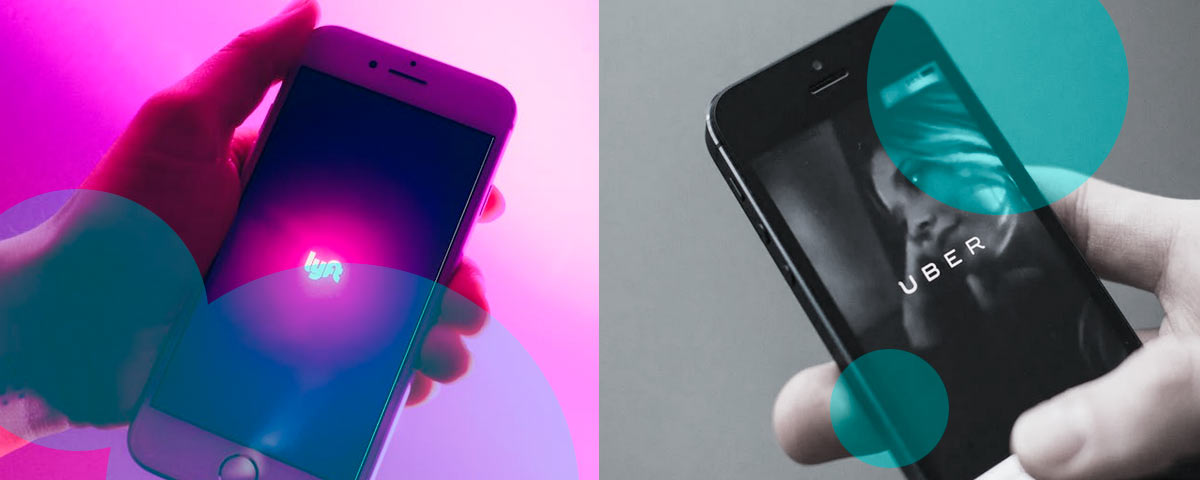
A Florida Senate committee advanced SB 632 on a 6-3 vote, trimming liability requirements for rideshare drivers during the in-between phase of a trip.
The measure cleared the Senate Banking and Insurance Committee without debate. St. Petersburg Republican Sen. Nick DiCeglie, the sponsor, outlined the revisions and moved on.
The bill targets the period after a driver accepts a ride but before the passenger enters the vehicle. Current law requires at least $1 mn in coverage for death, bodily injury, and property damage.
SB 632 would replace that threshold during the in-between window with lower limits already used when drivers are logged into the app but not on a ride – $25,000 for property damage, $50,000 per person and $100,000 per incident for bodily injury, plus personal injury protection at Florida minimums and uninsured or underinsured motorist coverage.
Once a passenger gets in, the $1 mn requirement stays in place, along with PIP at limousine-level minimums.
The bill allows coverage to come from the driver, the vehicle owner, the rideshare company, or a mix. If a driver’s policy lapses or falls short, the company’s policy must respond from the first dollar and defend the claim.
It also tightens proof-of-insurance rules, requiring drivers to carry coverage details and disclose app status after a crash.
SB 632 would revise the 2017 statewide framework passed by former Republican lawmakers Jeff Brandes, Chris Sprowls, and Jamie Grant.
Lawmakers framed that law as a compromise between insurers, trial lawyers, and technology platforms operating across Florida.
Supporters view the change as a cost adjustment for companies and drivers who now operate at scale across the state.
According to Beinsure analysts, the in-between phase presents frequency exposure without a passenger in the car, and insurers price it differently from active-trip risk. Opponents argue severity risk spikes when drivers rush to pickups.
Jacksonville attorney Matthew Posgay told lawmakers the 2017 structure has worked for nearly a decade. He warned drivers often hurry to collect riders, raising crash risk before pickup.
Lowering limits during that window, he said, weakens protection at a volatile moment.
Lobbying activity tells a louder story than the committee vote. Nearly 60 lobbyists registered on the House companion, HB 585, which awaits its first hearing.
Registrants include the Florida Chamber of Commerce, National Association of Mutual Insurance Companies, Personal Injury Federation of Florida, Florida Justice Association, Florida Insurance Council, Uber, Lyft, and multiple insurance and technology firms.
Campaign finance records show DiCeglie received $12,500 from Lyft in November through his political committee. Fabricio received $10,000 from Lyft and $5,000 from Uber in the same month.
Republican Sen. Jonathan Martin and Democratic Sens. Rosalind Osgood and Barbara Sharief voted no. The bill moves forward with lines drawn.