- AM Best expects Hurricane Isaias to affect insurers’ earnings rather than significantly weaken their capital positions, with insured losses estimated in the low single-digit billions.
- Florida’s property insurance market has become more diversified, with its 10 largest insurers accounting for 47.9% of premiums, below the national average of 54%.
- The reduction in policies held by state-backed Citizens Property Insurance Corporation has distributed hurricane exposure across more private insurers, limiting the potential impact on the insurer of last resort.
Hurricane Isaias is unlikely to cause substantial deterioration in the financial strength of Florida property insurers, with losses expected to remain manageable following improvements in underwriting profitability and the redistribution of risks across the market, according to an October 15, 2026, assessment by AM Best.
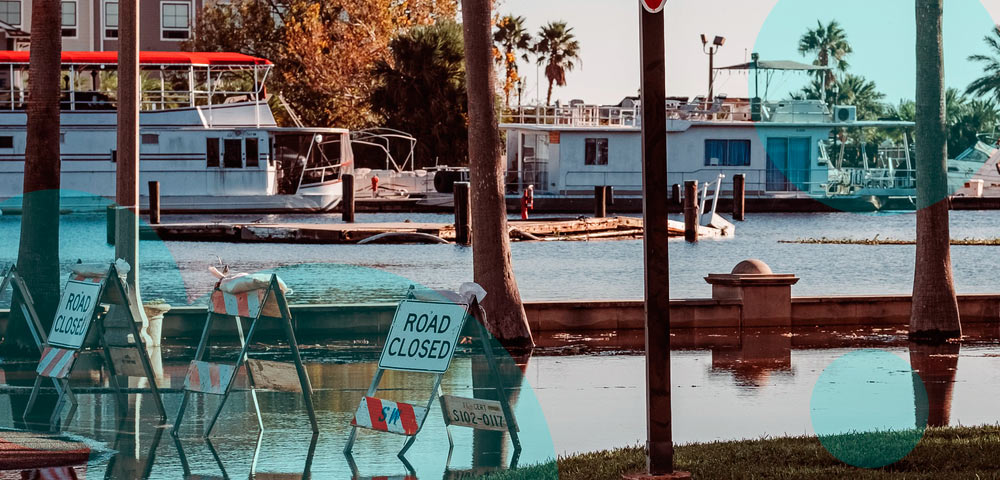
The Category 2 hurricane made landfall near Destin, Florida, on October 9, becoming the first hurricane of a relatively quiet Atlantic season. Industry insured losses are estimated in the low single-digit billions of dollars, considerably below the cost of several major storms in recent years.
AM Best expects the event to affect insurers’ earnings without materially reducing capital and surplus levels or restricting insurance capacity across Florida.
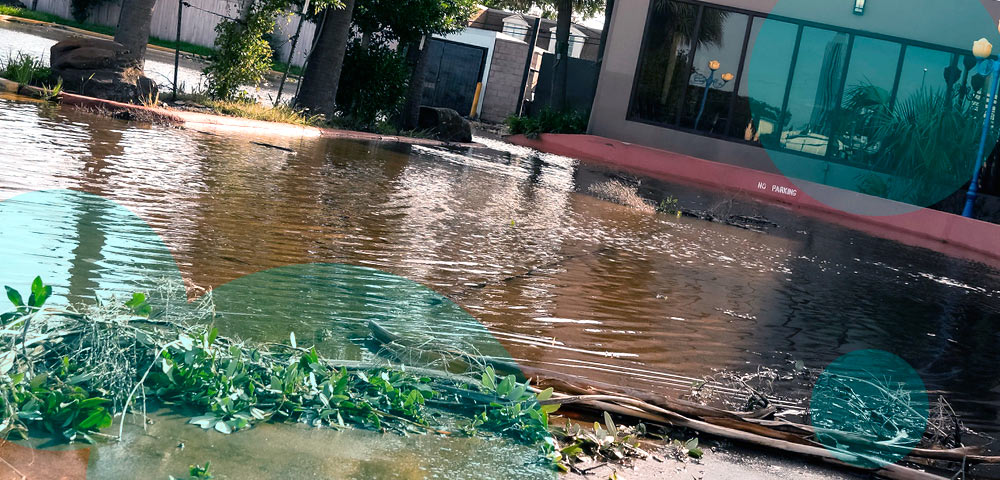
The storm’s relatively limited financial impact reflects its unusual wind patterns. The strongest winds occurred west of the hurricane’s center, pushing water away from the coastline and reducing storm surge and associated flood damage. Most insured losses are expected to result from wind damage.
Florida insurers have strengthened their financial positions through improvements in pricing and underwriting practices, increasing their ability to absorb catastrophe losses without significant capital deterioration.
Consequently, AM Best does not anticipate substantial increases in property insurance rates resulting from Isaias or a material reduction in market capacity.
The rating agency also expects limited effects on reinsurance availability and pricing, with the hurricane unlikely to significantly influence upcoming reinsurance renewals.
Florida’s increasingly diversified property insurance market provides another measure of protection against concentrated catastrophe losses.
According to AM Best’s 2025 market data, the state’s 10 largest property insurance groups accounted for 47.9% of direct premiums written, compared with a national average of approximately 54%.
State Farm Group held the largest market share at approximately 7.3%, narrowly ahead of Progressive Insurance Group at 7%. Berkshire Hathaway Insurance Group followed with 6.7%, while Citizens Property Insurance Corporation accounted for 5.9%.
Other major participants included Allstate Insurance Group, Florida Peninsula Group, USAA Group, Universal Insurance Holdings Group, Slide Insurance Group and Tower Hill Group.
The Florida property insurance market generated approximately $43.58 bn in direct premiums written across the business lines included in AM Best’s analysis in 2025.
Market diversification reduces the concentration of catastrophe exposure within individual insurance groups, although many carriers remain heavily dependent on Florida business.
More than 70 active insurers generate at least half of their property insurance premiums in the state. Several national insurance groups also operate dedicated Florida subsidiaries to manage local exposures and protect capital across their broader operations.
AM Best identified the continued reduction in policies held by Citizens Property Insurance Corporation as another positive development.
Legislative reforms and financial incentives have encouraged private insurers to assume policies previously covered by Citizens, reducing the state-backed insurer’s exposure to hurricane-related claims.
The redistribution of policies has helped spread catastrophe risks across a larger number of insurers and reduced the potential financial impact of individual storms on Citizens.
AM Best expects the successful depopulation program, combined with the relatively mild 2026 hurricane season, to help preserve Citizens’ financial position and its role as Florida’s insurer of last resort.
Although Florida remains exposed to significant hurricane risk and many domestic insurers have geographically concentrated portfolios, Isaias is not expected to cause the capital depletion or capacity constraints that can follow more destructive catastrophes.
AM Best’s assessment indicates that the storm should remain primarily an earnings event, with limited consequences for the broader Florida insurance market and reinsurance renewal conditions.