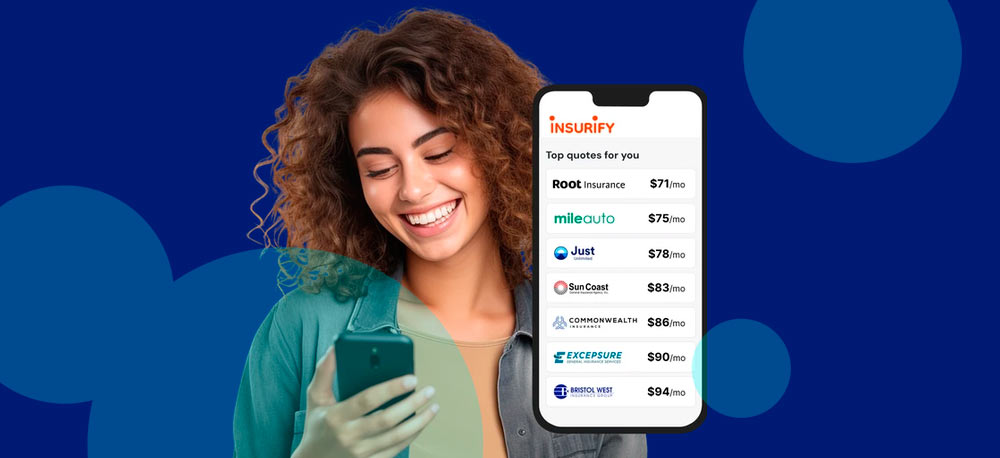
Insurify has blocked Meta’s Muse personal AI agent from accessing its insurance comparison platforms, citing concerns around quote presentation, consumer safeguards and costs for carrier partners.
The online insurance marketplace said automated agents risk removing essential information from carrier quotes when collecting prices.
Insurance pricing carries coverage limits, deductibles and discounts alongside eligibility requirements and state disclosures, all of which affect how shoppers evaluate an offer.
Insurify argues a carrier quote represents an offer of insurance coverage rather than a standalone price. Presenting rates without their related terms risks producing comparisons where two apparently similar premiums represent materially different protection.
The decision also affects Insurify’s network of more than 120 insurance carrier partners. Insurers calculate coverage and pricing around each applicant’s background, risk profile and tolerance for retained risk, so a premium figure alone doesn’t establish whether a policy suits the customer receiving it.
Automated bulk quoting creates another concern for carriers. Quote requests sometimes trigger paid third-party data checks, including motor vehicle records and credit-based insurance scores in states where insurers use them.
Those checks still cost insurers money when an automated agent submits the request without a genuine shopper completing a purchase. Insurify argues large volumes of such activity would create acquisition expenses without corresponding customers, leaving insurers to absorb the cost or account for it elsewhere in pricing.
Giorgos Zacharia, Insurify’s co-founder and co-CEO, said the marketplace has delivered 250 mn quotes and sees price as only one part of an insurance purchase. Consumers also need sufficient information about the protection attached to a premium before comparing competing offers.
Zacharia said stripping carrier rates from their insurance context leaves shoppers with numbers rather than full comparisons.
Insurify supports AI agents in insurance shopping, he said, provided those services retain material coverage information, carrier attribution and consumer control throughout the process.
Insurify also tied its decision to privacy and transaction safeguards built into its own shopping platform. The company uses controls intended to protect customer information and support policy changes without gaps in coverage, including situations where shoppers move between insurers.
General-purpose AI agents introduce a different information layer between the insurance marketplace and the customer. Insurify said those systems aren’t necessarily trained around the regulatory and operational requirements surrounding insurance distribution, increasing the risk of information being filtered outside its established consumer protections.
The company isn’t rejecting agentic insurance shopping altogether. Insurify continues to provide AI access through its own APIs and MCP connections, where the marketplace controls how quote information moves between its systems and outside services.
Its ChatGPT plug-in returns personalized insurance quotes alongside material coverage information and carrier attribution. Shoppers also receive access to Insurify’s licensed insurance agents when human assistance becomes necessary during the purchasing process.
Insurify said it remains open to working directly with Meta on a Muse connection built around its requirements for privacy and security.
Any arrangement would also need to preserve the information consumers require when comparing insurance policies rather than extracting carrier prices into a separate list.
The dispute points to a broader issue facing insurance marketplaces as autonomous AI agents increasingly browse websites and complete shopping tasks for users. Insurance quotes aren’t equivalent to conventional retail prices because underwriting inputs, contractual terms and regulatory disclosures remain attached to the offer presented to each customer.
For carriers, automated shopping also changes the economics behind online quoting. Every additional request potentially consumes data and underwriting resources, even when no customer sits behind it, making controlled agent access increasingly relevant as AI systems take a larger role in online insurance distribution.