Follow Beinsure

Lawmakers in Mississippi are weighing a bill aimed at cutting financial ties between the insurance industry and candidates for insurance commissioner.
The proposal would bar campaign donations from companies and individuals regulated by the state insurance department.
The measure sits before the Mississippi Legislature and already faces resistance from the sitting commissioner, who said it misses the real problem.
Senate Bill 2918 would make it illegal for any regulated entity to offer campaign contributions to the insurance commissioner, a candidate for the office, or employees of the Mississippi Insurance Department. It also blocks those officials and employees from accepting such contributions.
The penalties run stiff. Violations could bring fines up to $5,000 and at least one year in jail. Commissioners or department employees found in breach would lose their jobs.
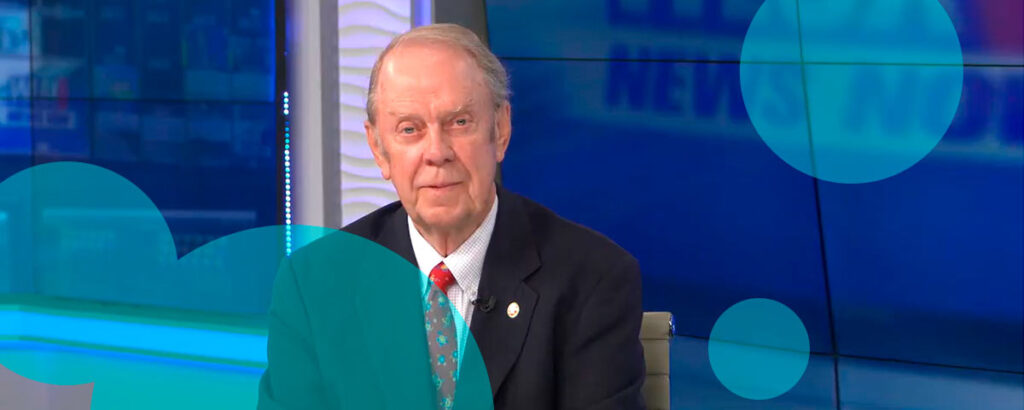
Insurance Commissioner Mike Chaney said the bill reads vague and pointed in the wrong direction. He argued it doesn’t solve the structural issue lawmakers keep circling.
Chaney has long pushed to change the office itself, moving the commissioner role from elected to appointed. In his view, appointment with Senate confirmation would do more to limit industry influence than campaign finance bans layered onto an election system.
He said such a shift would remove regulated industries from the election process entirely. According to Beinsure analysts, Mississippi remains one of a shrinking group of states that still elect insurance commissioners directly.
The stance sits uncomfortably with Chaney’s own plans. Last August, he said he intends to seek reelection in 2027. At the time, he framed the role as essential, pointing to insurance’s reach into household budgets across the state.
The bill under review isn’t the first attempt at reform. Earlier this year, lawmakers introduced HB 1180, which would have converted the commissioner position to an appointed role starting in 2028.
That proposal included education and industry experience requirements and gave appointment power to the governor, subject to Senate approval. It stalled in committee.
SB 2918 instead focuses on donor restrictions. It defines a covered person broadly, including owners, agents, and legal representatives of insurers regulated by the department.
The language also sweeps in anyone deemed interested in those entities or acting on their behalf.
The bill remains under consideration. Lawmakers haven’t set a timetable for a vote.