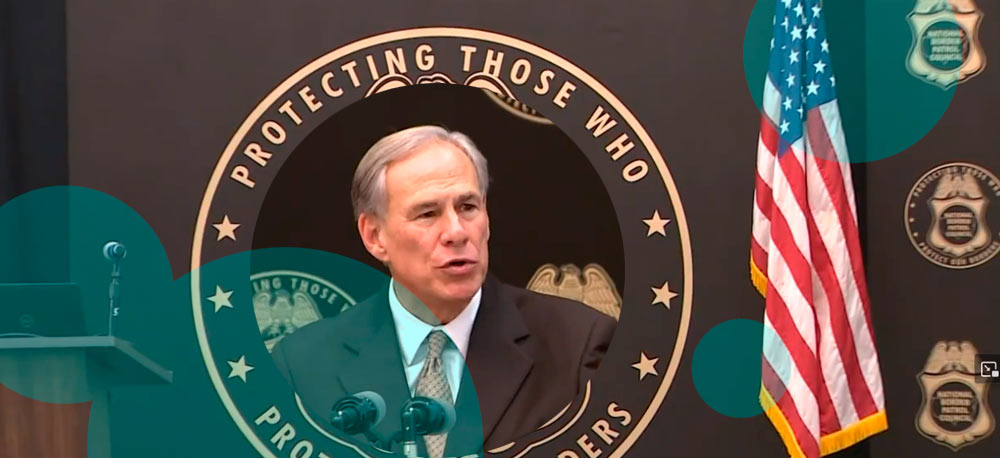
Texas Gov. Greg Abbott has ordered state insurance regulators to take immediate steps aimed at reducing costs after homeowners premiums rose sharply across Texas.
The average annual homeowners insurance premium in Texas increased 79% over six years, Abbott said. He directed the Texas Department of Insurance, or TDI, to focus on affordability across the property and casualty market.
High insurance costs hit Texas families hard. I direct the Texas Department of Insurance to put consumers first and take action that makes property and casualty insurance more affordable.
Texas Gov. Greg Abbott
In a letter to Texas Insurance Commissioner Amanda Crawford, Abbott cited the pace of premium growth since 2020. Average annual homeowners insurance costs rose from less than $2,000 in 2020 to more than $3,500 in 2026.
His directive addresses underwriting practices, roofing standards, pricing methods and insurance fraud.
Abbott instructed TDI to prohibit insurers from declining new residential property policies or refusing renewals solely because of a home’s age. The same restriction would apply when insurers base decisions on the age of individual components, including the roof.
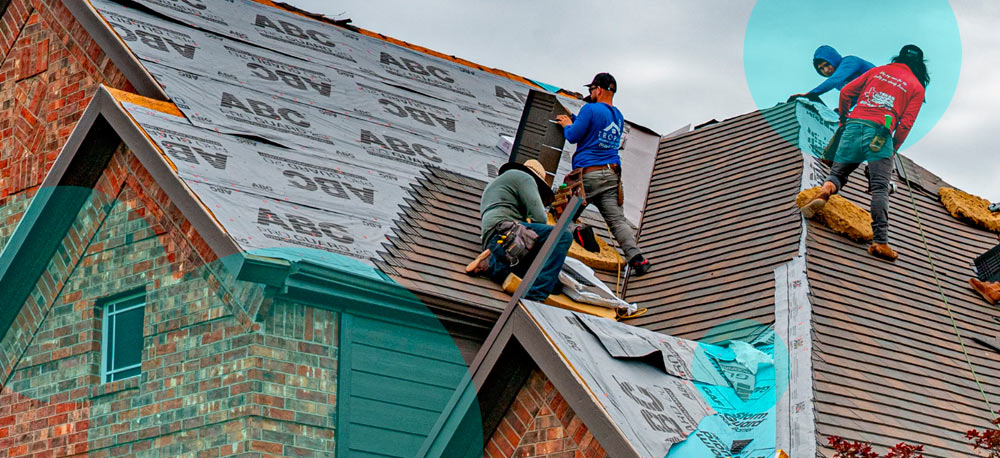
The governor also wants insurers to account for FORTIFIED roof status when calculating homeowners insurance rates.
FORTIFIED is a construction and roofing standard developed by the Insurance Institute for Business & Home Safety. The standard focuses on reducing property damage caused by severe weather, including high winds and hail.
Under Abbott’s order, insurers would incorporate a qualifying roof’s FORTIFIED status into rate calculations. The goal is lower premiums for homeowners whose properties meet the standard, although the letter doesn’t specify the size of any discount.
Another part of the directive targets price optimization.
Abbott described the practice as insurers using personal information unrelated to the insured risk when determining prices. He ordered TDI to issue a bulletin prohibiting price optimization across insurance products regulated by the department.
Insurance fraud also enters the state’s affordability push. Abbott directed TDI to establish an Insurance Fraud Task Force, arguing that fraudulent claims increase insurance costs for policyholders.
The department must also examine what Abbott described as excessive, unnecessary and inflated claims costs across several Texas insurance markets. The study will cover homeowners insurance alongside commercial auto and personal auto coverage.
The latest orders follow insurance measures approved during Texas’ most recent legislative session.
According to Abbott, those laws require insurers to explain why they declined or canceled a policy. They also prohibit carriers from requiring consumers to bundle residential coverage with personal auto insurance.
Lawmakers eliminated the so-called widow penalty as well. Another change requires insurers using credit information in premium calculations to rely on current credit scores.
Abbott is proposing further insurance measures for the next legislative session.
One proposal would establish a Texas Roof Fortification Program focused on reducing losses caused by wind and hail. Another would permit auto insurers to consider good driving behavior when setting rates.
TDI must also identify administrative measures available under existing authority. Abbott wants the agency to recommend statutory changes lawmakers might consider when addressing insurance affordability and consumer protections.
The Insurance Council of Texas, which represents the state’s property and casualty insurance sector, said it is reviewing the governor’s directives.
Insurers support examining the losses and other factors behind higher rates. The industry also expects to work with TDI as the department carries out Abbott’s orders.
Texas homeowners have faced increasing insurance costs as carriers respond to severe-weather losses, more expensive repairs and higher property replacement costs. Abbott’s directive now puts additional pressure on regulators and insurers to address how those expenses reach consumers through underwriting and pricing.