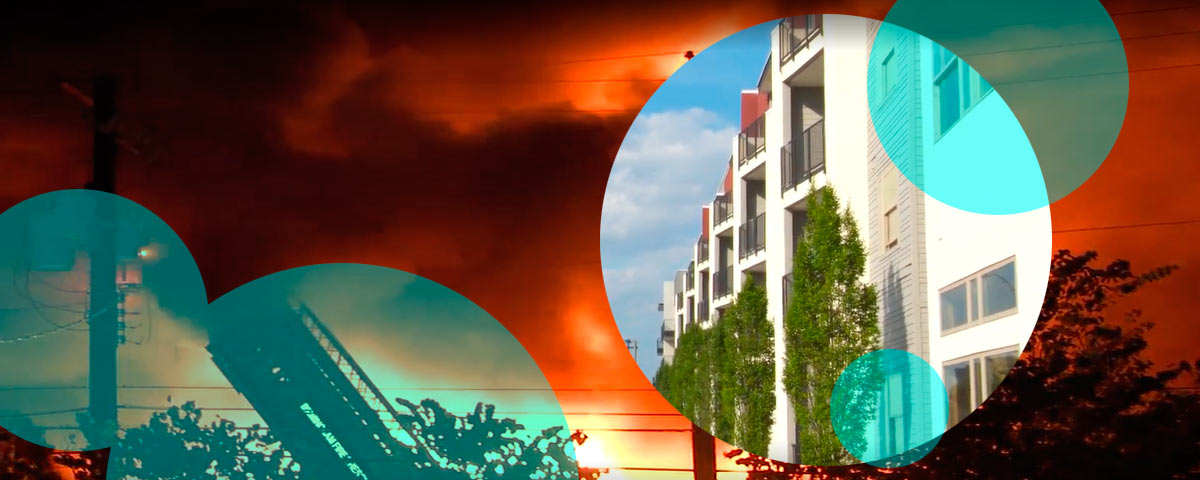
A high stakes fight over fire damage, soot, cleanup costs, and claims handling at a big Birmingham apartment complex just delivered a major Eighth Circuit ruling. Travelers walked into the case years ago thinking the dispute would settle quietly. It didn’t.
The conflict traces back to a September 2018 fire that destroyed one building and damaged several others at the Metropolitan, a multi phase apartment development owned by Maxus Metropolitan.
The property carried a $35mn policy from Travelers, with another $5mn available for business income losses. After the fire, Travelers spent almost two months trying to decide its coverage stance, long enough that Maxus filed a complaint with Alabama regulators.
Travelers eventually agreed to cover the loss and fronted $1mn for early cleanup, later pushing total payments just above $3.5mn. Maxus said the number missed the real scope of the damage. Travelers disagreed. That standoff hardened fast.
Everything turned on whether soot and water damage across five buildings counted as physical loss. Maxus hired consultants who said soot lingered throughout the buildings, settled into surfaces, and traveled through HVAC systems.
They tied it straight back to the fire. Travelers countered that microscopic soot didn’t meet the standard of direct physical loss or damage and suggested parts of the water damage came from construction issues or happened outside the policy window. Two completely different pictures of the same property.
Maxus sued in Missouri for breach of contract and vexatious refusal to pay. A jury took Maxus’s side. They awarded $27,330,263.13 in damages, plus $546,905 for vexatious refusal and attorneys’ fees.
The district court added prejudgment interest and more fees. Travelers knew then the fight had shifted from expensive to existential.
A key legal issue came down to the meaning of direct physical loss or damage. Missouri law says it must be directly material, perceptible, or tangible.
The Eighth Circuit said a reasonable jury could treat soot contamination as exactly that, especially since remediation needed heavy work and the contamination wasn’t some trivial surface film. The court also walked through the manifestation rule for water damage.
If the loss first appeared during the policy period, Travelers stayed on the hook even if the damage worsened later.
Travelers appealed everything it could: whether microscopic soot qualifies for coverage, whether the water damage fell inside the policy period, whether the jury got clean instructions.
On November 17, 2025, the Eighth Circuit mostly affirmed the entire judgment, including attorneys’ fees. The only tweak involved prejudgment interest. The court sent that piece back to figure out exactly when Maxus demanded payment.
The November ruling replaces an earlier decision the court issued on August 28, 2025. This new opinion carries more clarity and snaps the legal picture into final form.
For insurers watching from the sidelines, the takeaway feels sharp. Property claims get messy when the definition of covered damage drifts, and courts tend to favor detailed evidence over narrow interpretations. Travelers learned how fast a disagreement over soot and water can turn into a $27mn problem.
The Maxus case now becomes a benchmark for future property and business interruption disputes. Anyone handling large commercial claims will study it, whether they admit it or not.