President Donald Trump marked the expansion of Trump Accounts, a tax-advantaged investment accounts for kids, during an Oct. 7 press conference in the Oval Office, after automatic enrollment extended the investment program to millions of American children.
The Treasury Department said every eligible child under 18 with a valid Social Security number now has an account. The White House put the total at nearly 70 mn, including more than 60 mn accounts created through automatic enrollment.
Parents and guardians still need to claim an account before managing it or receiving eligible contributions.
Trump described the accounts as a long-term investment in children’s finances. He said funds accumulated during childhood could leave account holders with substantial savings by age 18 or 21, depending on contributions and investment performance.
Today we celebrate our next historic, and that’s really what it is, step to ensure every American child has a fair shot at the American dream. Today I’m pleased to announce that every single eligible minor child in America has now been automatically enrolled in a Trump account.
President Donald J. Trump
“So last summer I signed the great Big, Beautiful Bill delivering the largest tax cuts in American history, and that included in there, approved by Republicans… the Trump accounts. And under this program, the U.S. government is automatically creating a tax-free investment account for every child to grow over the course of their lives and to be used to their benefit and for their benefit after they turn 18”, Donald J. Trump said.
The program isn’t limited to federal funding. Families, employers and private donors also contribute, creating several funding routes for individual accounts.
A White House official said about 80% of Trump Accounts are associated with families earning less than $200,000 annually. Automatic enrollment also expands the number of children eligible for philanthropic funding, since donors are able to contribute to defined groups of account holders.
Michael and Susan Dell have committed roughly $6.25 bn to the program. Their donation provides $250 each for 25 mn children covered by the initiative.
Michael Dell, CEO of Dell Technologies, said the deposits were scheduled to reach accounts by the end of the week. Susan Dell urged parents and grandparents to claim children’s accounts, noting funds are already waiting for many beneficiaries.
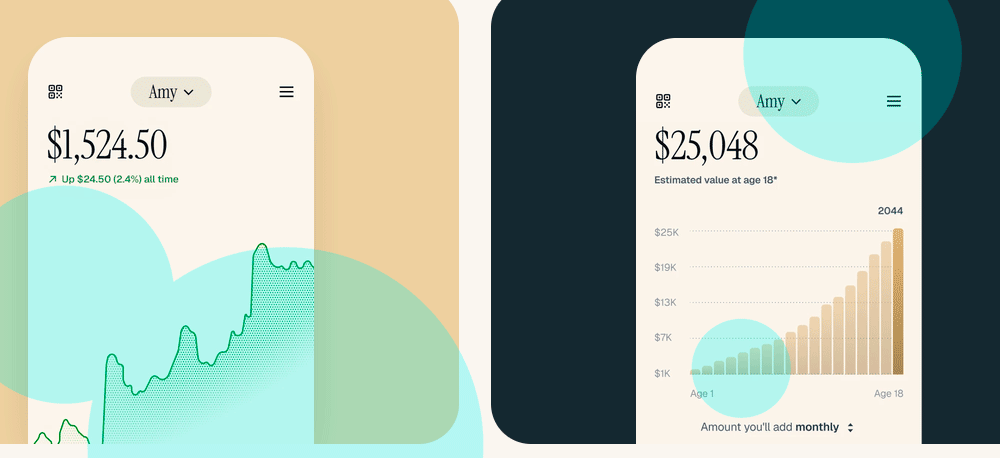
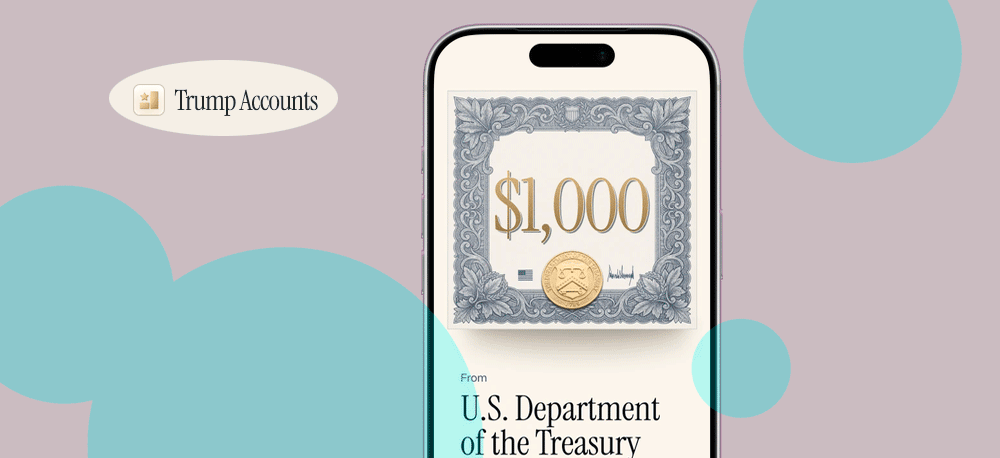
Private donations sit alongside the federal government’s one-time $1,000 contribution. That Treasury payment has narrower eligibility rules than the account program itself.
To receive the $1,000 federal contribution, a child must have been born between Jan. 1, 2025, and Dec. 31, 2028. The beneficiary must also meet the program’s citizenship and Social Security number requirements.
Children outside the birth-date window still have access to Trump Accounts, though they won’t receive the federal seed payment.
This distinction affects most of the roughly 70 mn accounts. Many children will depend on deposits from parents, relatives, employers or private donors rather than Treasury’s $1,000 contribution.
Trump Accounts were established under the tax legislation enacted in 2025, widely referred to by the administration as the One Big Beautiful Bill. They are tax-advantaged investment accounts structured legally as individual retirement accounts, though special rules apply during childhood.
Withdrawals generally aren’t permitted before the beneficiary turns 18. Until then, funds remain invested under the account rules and the child’s parent or guardian manages the account.
The standard contribution ceiling is $5,000 per year for 2026 and 2027. Inflation adjustments begin afterward. Treasury’s $1,000 seed contribution sits outside the $5,000 annual limit, so receiving the government payment doesn’t reduce the amount available for other eligible deposits.
Family members and friends contribute within the annual $5,000 limit. Employers are permitted to provide up to $2,500 annually for an employee’s eligible child under the program’s employer contribution rules.
Corporate participation is also growing. Trump said more than 70 companies have agreed to make Trump Account contributions for employees’ children. He named Uber, Intel, Nvidia and Steak n’ Shake among participating businesses.
The administration presents the accounts as a way to give children direct exposure to long-term investment growth. Trump said the program means eligible members of the next generation will enter adulthood with an investment account rather than starting with no accumulated assets.
The eventual value of each account will vary sharply. Investment returns matter, but contribution levels are likely to create an even larger difference. A child receiving only the initial federal payment will have a different balance from one whose account receives regular family, employer and philanthropic deposits.
That makes automatic enrollment only the first part of the process. An account exists for each eligible child, but parents or guardians still need to claim it before they manage the money or open the account to contributions.
The claim process is available through the official Trump Accounts app for iOS and Android. Families also have access to a web version.
Once claimed, an account becomes available for eligible deposits under the program rules. For children born from 2025 through 2028, claiming the account is also required before the Treasury’s $1,000 payment is received.
The Dell donation adds another funding source for millions of children. At $250 per account across 25 mn recipients, the $6.25 bn commitment represents one of the largest private contributions attached to the program so far.
Trump credited private donors and participating companies during the Oval Office event. The administration expects philanthropic contributions to become a larger part of Trump Account funding as more accounts are claimed and donor programs expand.
For families, the mechanics are fairly straightforward. The account has already been created for an eligible child. A parent or guardian claims it, completes the required verification and then manages contributions until the child reaches adulthood.
The bigger difference lies in who funds each account. Some eligible children receive the $1,000 Treasury payment. Others receive money from family members or employers. Millions also fall within donor programs such as the Dell commitment.
Automatic enrollment therefore expands access across a much larger population than the federal seed program alone. Nearly 70 mn children now have accounts, according to the White House, while the $1,000 government contribution remains restricted to eligible children born during the four-year 2025–2028 window.