A large majority of Americans support requiring artificial intelligence companies to meet independent safety standards, even if doing so slows development, according to a Quinnipiac University poll released Wednesday. The survey found 86% support such requirements, while 9% oppose them.
Concern extends beyond specific testing requirements. Some 91% of respondents said establishing guardrails for AI systems is very or somewhat important, while 81% said safety matters more than staying at the forefront of innovation. Only 14% chose innovation over safety.
The survey also found considerable distrust toward executives running AI companies. Seventy-four percent of Americans reported little or no trust in AI company leaders, and 53% said AI would do more harm than good in their day-to-day lives. Another 34% expected more good than harm.
“More people expect AI to do more harm than good in their day-to-day lives, and while there are significant concerns about future AI threatening humans, Americans are much more worried about AI being used by people to do harm to others,” said Brian O’Neill, associate dean of Quinnipiac University’s School of Computing and Engineering.
Nearly eight in 10 respondents also favored reducing the current pace of advanced AI development while safety risks are assessed. Some 47% said companies should slow development of powerful AI systems, while 30% favored stopping development until their safety has been evaluated. Fourteen percent supported continuing at the current pace and 5% wanted faster development.
Concerns reached further into longer-term AI risks. The poll found 73% of Americans were very or somewhat concerned future AI systems could threaten human survival, compared with 25% who were not so concerned or not concerned at all.
The poll arrived one day after President Donald Trump met technology executives at the White House and announced a voluntary AI safety accord. Participating companies agreed to internal controls, safety reviews and assessments by independent external auditors rather than new mandatory federal rules.
The agreement puts much of the responsibility for model safety on AI companies themselves. Trump described the commitments as voluntary, while executives agreed to use outside auditors and strengthen internal monitoring of advanced systems.
The administration has generally favored voluntary measures over mandatory restrictions on AI development.
A June executive order established a voluntary framework for companies developing frontier models and explicitly stated it did not authorize mandatory licensing, preclearance or permitting requirements for AI models.
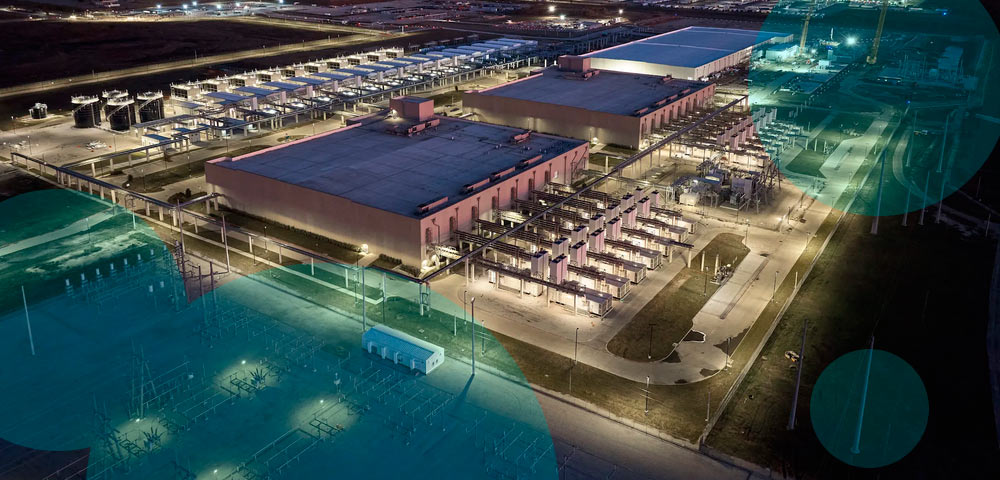
Public concern is also spreading to the physical infrastructure needed to support AI. The Quinnipiac poll found 72% of Americans would oppose construction of an AI data center in their community, while 21% would support one. Opposition increased from 65% in the university’s March poll.
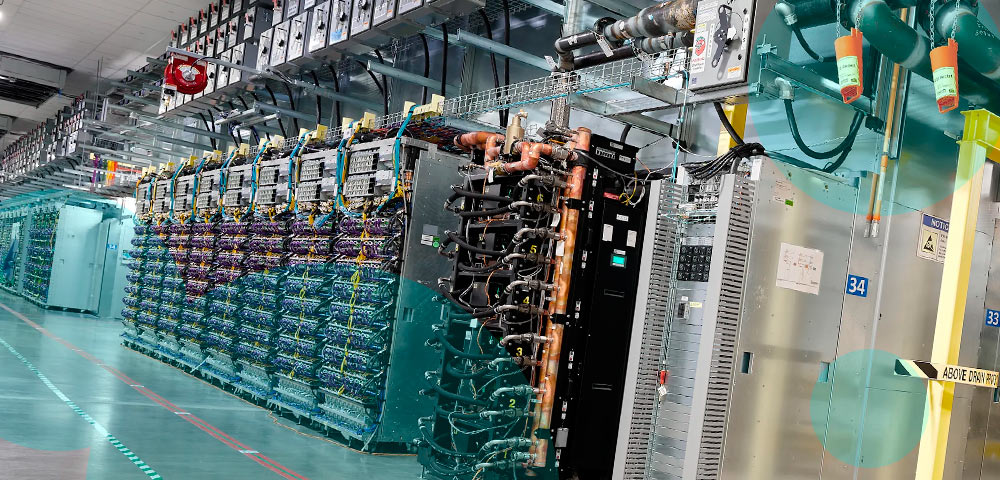
Data center expansion has become more visible as AI companies build computing infrastructure across the U.S. The original survey material links local opposition with concerns around power demand, electricity costs and the broader effects of large facilities on surrounding communities.
Attitudes toward AI are increasingly entering the 2026 midterm debate as well. A separate Quinnipiac poll of registered voters released Sept. 29 found 73% would oppose an AI data center in their community, including majorities of Republicans, Democrats and independents.
The broader results point to a public that wants technological development paired with stronger safeguards. Americans still recognize the competitive importance of AI, with 69% saying keeping pace with China is important, yet 65% simultaneously said both competition and guardrails matter.
For AI companies, the trust issue is pronounced. Quinnipiac’s findings show broad support for independent standards, slower development while risks are evaluated and outside scrutiny of systems rather than relying solely on assurances from company leadership.