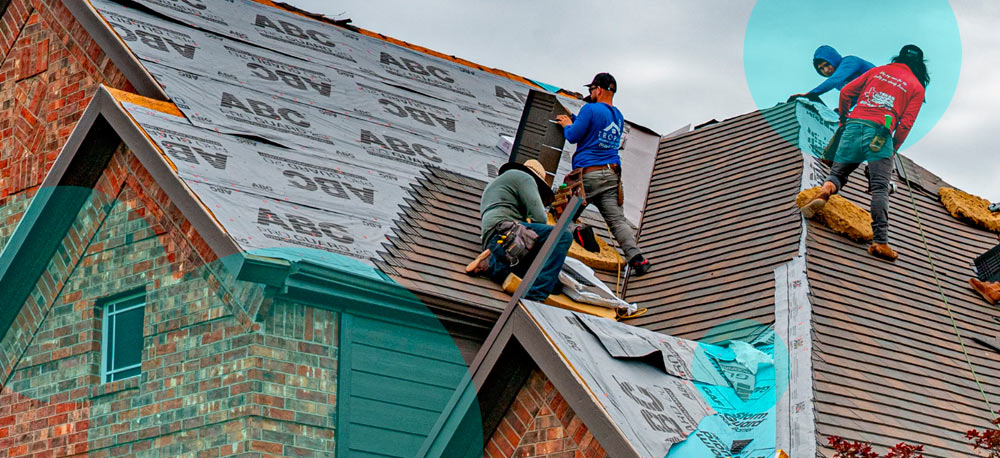
Colorado lawmakers moved to address rising homeowners insurance costs, passing SB26-155 in the Senate. The bill targets wind and hail damage, a major driver of claims and premium increases across the state.
Sponsored by Kyle Mullica and Janice Marchman, the proposal creates a grant programme to help homeowners install more resilient roofing systems.
The goal is simple, reduce losses at the source, then ease pressure on premiums over time.
Premiums in Colorado have climbed sharply. Rates doubled between 2020 and 2025, placing the state among the most expensive markets in the country. Hail alone accounts for roughly 26% to 54% of annual premiums, depending on location.
The bill sets up the Strengthen Colorado Homes Enterprise within the state’s insurance division. This entity will collect a fee from insurers offering multiperil homeowners policies and use those funds to support roof upgrades.
Grants will help homeowners retrofit properties with materials designed to withstand severe weather.
Starting in 2027, insurers will pay a fee equal to 0.5% of total premiums collected from homeowners policies in the prior year. Insurers cannot pass this fee directly to policyholders.
According to Beinsure analysts, this structure shifts funding toward mitigation without immediately raising consumer costs.
The programme also introduces reporting requirements.
Insurers must submit annual data on policy counts, adoption of resilient roofing, applied premium discounts, and claims frequency and severity tied to wind and hail events.
Oversight will come from a seven-member board, including the state insurance commissioner, technical experts, and representatives for insurers, consumers, and local governments. The structure aims to balance industry input with public interest.
The bill also mandates a study on insurance risk in wildfire-prone areas. The analysis will examine market competition, potential loss exposure, and the availability of coverage in high-risk regions.
Estimates suggest mitigation efforts could save homeowners between $82 and $387 per year. The actual impact depends on adoption rates and how insurers adjust pricing models over time.
The measure now moves to the House for further consideration. The outcome will signal whether Colorado shifts toward a more proactive approach, focusing on risk reduction before losses hit insurers and policyholders.