Follow Beinsure

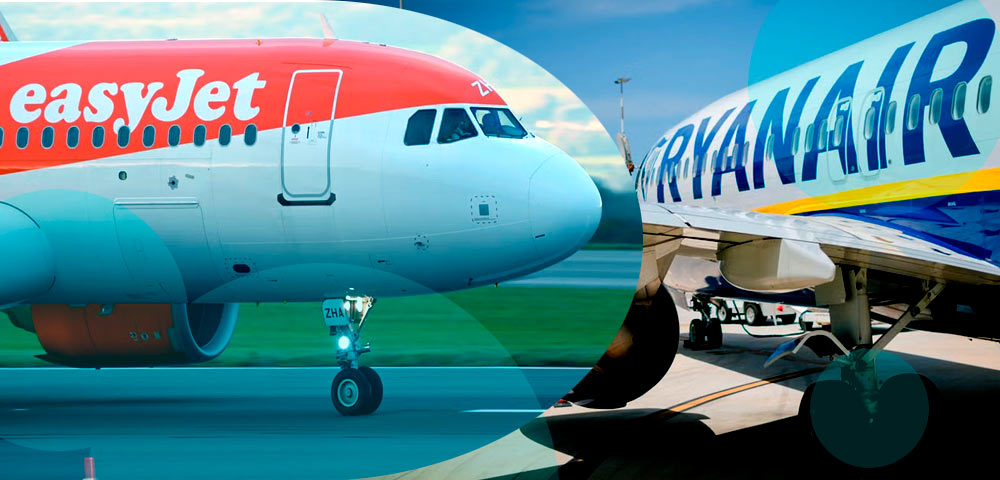
A dispute over six Airbus aircraft grounded after Russia’s invasion of Ukraine has reached the London High Court. STLC Europe Eight, the Irish leasing arm of Russian state-owned aircraft owner GTLK, is seeking at least $72 mn from easyJet.
The claim was filed by STLC’s liquidators, who allege that easyJet stopped operating the six leased narrowbody aircraft in 2022 and failed to maintain them properly afterward. Three were parked in Madrid and three in Larnaca, Cyprus.
The dispute dates to sanctions imposed after Russia invaded Ukraine in February 2022. The EU introduced restrictions covering aircraft, parts and related maintenance, insurance and financing involving Russian interests.
GTLK was added to the EU sanctions list in April 2022. Its own disclosures later said the designation effectively prevented foreign subsidiaries from conducting normal activity and subjected them to asset-freeze restrictions.
The treatment of subsidiaries controlled by sanctioned Russian entities has since been examined in European courts. In Ireland, a 2025 High Court judgment found that GTLK Europe’s liquidation in May 2023 shifted effective control to independent liquidators.
easyJet notified STLC in April 2022 that it was terminating the six leases. The airline’s position was that sanctions prevented it from continuing maintenance and repair obligations connected with the aircraft.
STLC’s liquidators dispute that interpretation. Their claim argues the sanctions didn’t apply because the aircraft weren’t located in Russia and the lessor holding them was an Irish company.
Three of the aircraft were eventually recovered in Cyprus and sold. The liquidators allege their condition after months without proper upkeep reduced the sale proceeds by at least $32.5 mn.
The remaining three aircraft are still parked in Madrid and haven’t been sold. Their eventual value could affect the final size of the claim.
STLC is seeking approximately $36.7 mn in unpaid rent and interest. It is also claiming at least $32.5 mn for depreciation and €2.8 mn in unpaid airport charges.
The liquidators have indicated that the total could rise once the Madrid aircraft are valued and sold. easyJet hasn’t yet filed a formal defence but has said it intends to contest the proceedings.
The depreciation claim also raises a separate insurance issue common in aircraft leasing. Some lessors purchase residual value insurance or guarantees to protect against a sharper-than-expected decline in aircraft value, although it isn’t known whether STLC had such protection for these jets.
Insurance obligations during the sanctions period could also become relevant to the wider dispute. Aircraft leases generally require lessees to maintain hull and liability cover naming the lessor as an additional insured.
Sanctions can complicate those arrangements because aviation policies commonly contain provisions suspending or terminating cover where continued insurance would breach applicable restrictions. That creates questions around whether cover remained valid while the six aircraft were grounded.
The distinction between all-risks and war-risks coverage has featured heavily in other aviation disputes linked to Russia. All-risks policies commonly exclude certain political or state-related events, while war-risks policies are designed to respond to specified political and government actions.
Recent aircraft leasing litigation has therefore focused heavily on how sanctions, confiscation and state interference interact with policy wording.
The easyJet dispute is primarily contractual, but the underlying facts also touch on maintenance, insurance obligations and the financial consequences of aircraft becoming unusable after sanctions were imposed.