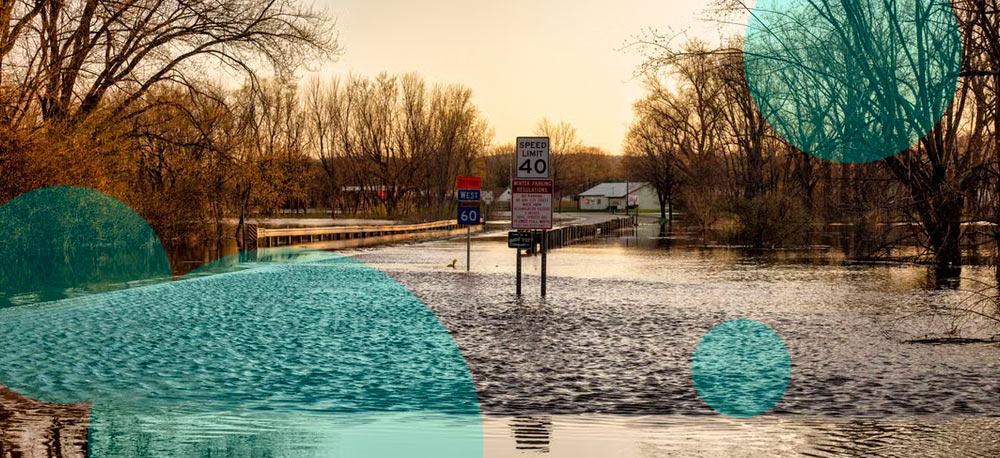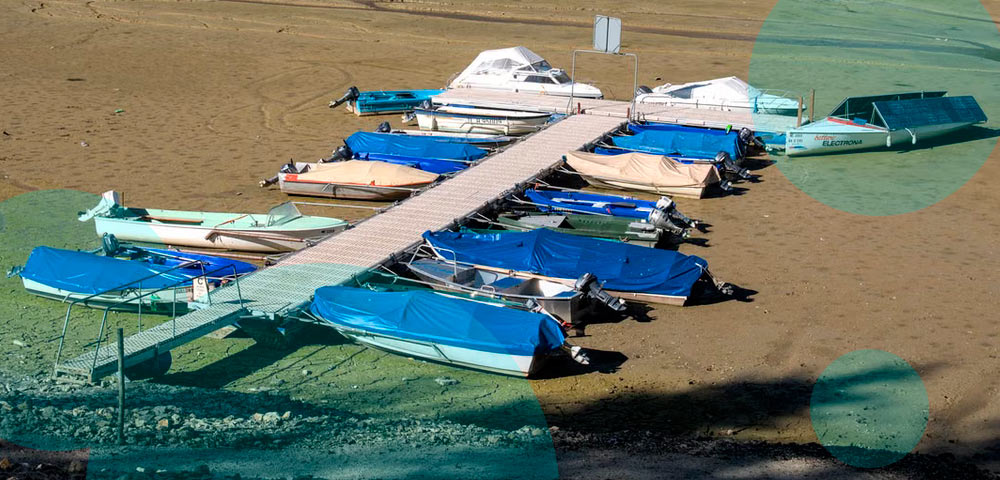
- Severe drought has been declared in parts of Cornwall, Devon, Dorset, Somerset, East Sussex and West Sussex following the driest April to September period in more than a century.
- Ardingly Reservoir is at 19% capacity and Wimbleball at 16%, compared with the approximately 75% normally expected in October.
- Water companies are seeking wider restrictions on commercial water use, while authorities have authorized reduced river releases to preserve drinking water supplies.
Severe drought has been declared across six areas of southern England after months of exceptionally dry weather depleted reservoirs to critical levels, prompting emergency measures to protect public water supplies.
Parts of Cornwall, Devon, Dorset, Somerset, East Sussex and West Sussex entered severe drought status on October 15, 2026, following the UK’s hottest summer on record and the driest April to September period in southern England for more than a century.
The designation represents the highest level of drought severity and indicates that conditions are causing, or are expected to cause, serious damage requiring emergency intervention.
Wimbleball Reservoir in Somerset is at just 16%. It supplies South West Water customers across parts of Devon, Somerset and Dorset, alongside Wessex Water customers in West Somerset.
The Environment Agency would normally expect reservoir storage to be approximately 75% at this time of year.
The government has instructed water companies to monitor reservoir and river levels daily and intensify water quality testing. Lower water levels reduce the dilution of sewage and other pollutants, increasing environmental and public health concerns.
Regulators will also strengthen compliance checks on businesses that extract water from rivers and other natural sources to ensure withdrawals remain within permitted limits.
Water Minister Emma Hardy has directed the Environment Agency to prioritize public water supplies where maintaining environmental protections conflicts with the need to preserve drinking water.
South East Water and South West Water have been permitted to reduce the amount of water released from reservoirs into nearby rivers by millions of liters per day.
The measures are intended to conserve reservoir storage but could increase pressure on aquatic ecosystems already affected by prolonged drought.
Concerns extend beyond the two largest affected reservoirs. Drift and Stithians reservoirs supply approximately 56,000 households in Cornwall, while the Tottiford and Venford reservoir group serves another 47,000 households in Devon.
Water companies are also seeking additional restrictions on non-essential commercial water use.
South East Water, South West Water and Southern Water have requested authorization for restrictions that could affect golf clubs, private schools, commercial car washes and other businesses.
Eagle has not yet approved those applications, despite calls for companies to strengthen their drought response plans.
Existing hosepipe bans remain in force across areas served by South East Water and South West Water. The severe drought declaration does not automatically introduce further restrictions on households or businesses.
The latest announcement follows Yorkshire’s move into drought status the previous week, adding to widespread water shortages across central, southern and eastern England.
Environment Agency Chief Executive Philip Duffy warned that prolonged heat and limited rainfall had placed water resources under exceptional strain.
Recovery depends on both rainfall and how much water we use. We cannot change the weather, but water companies can act now. We expect them to follow their drought plans and take the steps needed to secure public water supplies.
Philip Duffy, Environment Agency Chief Executive
The National Drought Group, which includes government departments, regulators, water companies, the Met Office and the National Farmers’ Union, is coordinating the response.
Authorities have emphasized that public water supplies are expected to remain uninterrupted under the current emergency arrangements.
The government is urging households and businesses to reduce consumption while water companies implement drought plans and additional monitoring.
Officials caution that recovery will depend on sustained rainfall and lower demand, with reservoir levels in several regions remaining far below seasonal norms.