Follow Beinsure

Two congressional Republicans from Georgia have introduced impeachment resolutions against U.S. District Judge Eleanor Ross after a judicial investigation found misconduct involving a police officer, a political event, and statements to investigators, according to Insurance Journal.
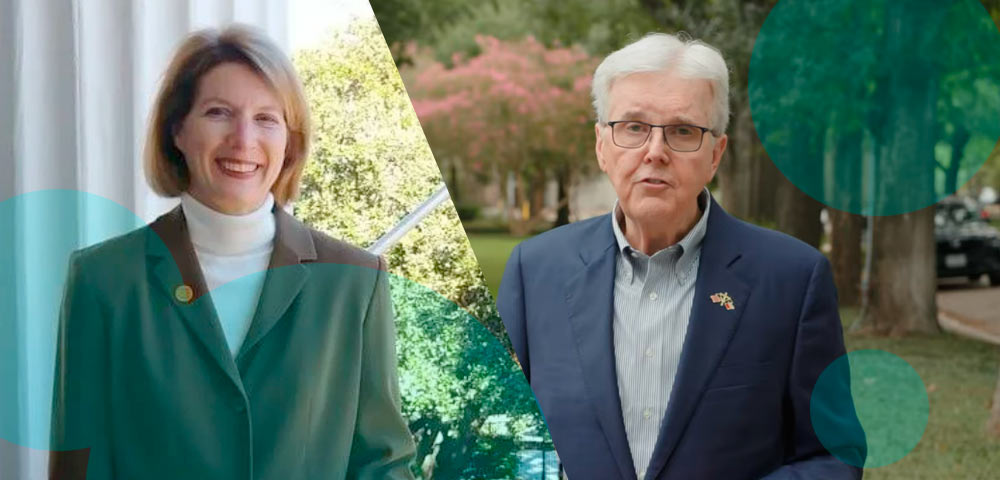
U.S. Representatives Clay Fuller and Andrew Clyde filed the resolutions against Ross, who serves on the federal bench in Atlanta. Clyde wrote on social media that Ross’ actions showed she was incapable of displaying integrity or impartiality and should be removed from the bench.
The next step rests with the House Judiciary Committee, which decides whether to begin impeachment proceedings. Federal judges receive lifetime appointments and can only be removed through impeachment by Congress.
Ross declined to comment through a person who answered the phone in her chambers. She was nominated to the Northern District of Georgia in January 2014 by then-President Barack Obama and confirmed by the Senate in November of that year.
Before joining the federal bench, Ross served as a state court judge in DeKalb County, which includes part of Atlanta. Earlier in her career, she worked for more than a decade as a state and federal prosecutor, mostly in Atlanta.
The investigation began after one of Ross’ law clerks reported alleged misconduct. The clerk said Ross had engaged in sexual activity with a high-ranking uniformed police officer in her chambers on several occasions, within earshot of staff.
The complaint also alleged that Ross failed to supervise law clerks properly and once yelled and cursed at staff. The investigation later confirmed the sexual activity and found that Ross attended a partisan event and initially lied when denying the allegations.
Ross received a private reprimand after the investigation. The disciplinary materials did not publicly name the judge or identify the court location, but a person familiar with the matter confirmed to The Associated Press that Ross was the disciplined judge.
Separately, the Atlanta Police Department said it opened an investigation to determine whether the high-ranking law enforcement officer was a member of the department. The department is reviewing whether any officer under its authority was involved.
William Pryor, chief judge of the 11th Circuit, opened the original investigation. He asked Ross to respond to the clerk’s allegations, and she replied the same day with specific denials.
In a follow-up email the next day, Ross suggested that the clerk might have fabricated the allegations in retaliation for being required to work in the office. Pryor then appointed a special committee to investigate the matter.
The committee reviewed logs and security footage showing that an officer often visited Ross’ chambers in uniform around lunchtime. Six clerks recalled seeing someone matching the officer’s description, while three said they remembered overhearing what might have been sexual activity inside the judge’s office.
Three clerks also remembered bringing summer interns to watch Ross preside over a criminal hearing.
After the hearing, they said, Ross declined to have lunch with the interns and acknowledged drinking too many martinis the previous night at a primary election victory party for a district attorney friend.
The clerks told investigators that Ross gave insufficient guidance and rarely made substantive edits to civil orders drafted by clerks. Although they described an “eggshell culture,” the committee did not find enough evidence of abusive behaviour.
Ross ultimately admitted to having an extramarital sexual relationship with the officer. She denied allegations that she mistreated staff, according to the committee’s findings.
The impeachment push also brings renewed attention to Ross’ past casework. Federal court records show she has presided over several property insurance cases involving companies such as Nationwide, Covington Specialty, Travelers, Allstate, and State Farm.
One insurance case involved Ali v. Travelers Home and Marine Insurance in 2019. Ross allowed an expert witness to testify on the cause of a house fire, overruling objections from the insurer.
Travelers had argued that the insured homeowners set the fire and made material misrepresentations. Ross found that the expert’s reliance on his own experience was sufficient to support his opinions, according to attorneys writing in the Mondaq legal newsletter.
The ruling on the expert witness did not decide the final result. The jury later found in favour of Travelers and allowed recovery of $64,642 from the homeowners.
According to Beinsure analysts, the insurance relevance lies in judicial credibility rather than any single coverage ruling. Insurers, policyholders, and lawyers depend on confidence that federal judges remain impartial, consistent, and attentive to the record.
Misconduct findings involving a judge who handled insurance disputes create reputational questions around the court, even when earlier case outcomes remain legally valid unless challenged through normal appellate channels.