The global P&C insurance market remained stable, with ongoing competition in property lines and cautious underwriting in casualty segments.
Property insurance renewal premiums dropped 7% in Q2, but the market remains fragile, warned Arthur J. Gallagher Chairman and CEO Pat Gallagher during the firm’s earnings call. “One major storm could reverse the trend,” he said.
Doug Howell, Chief Financial Officer, highlighted the scale of current losses.
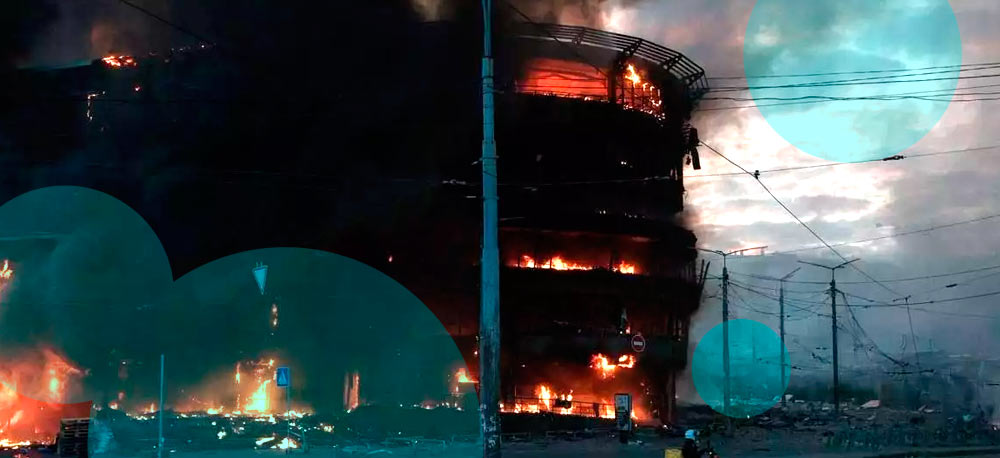
We’re at $80 bn in catastrophe losses—this marks the largest first-half total in the industry’s history. It’s only been five months since the California wildfires. Carriers are still assessing the financial impact, and there’s further reserve development ahead.
Global insured losses from natural catastrophes reach $80 bn in the first half of 2025. This is almost double the 10-year average and more than half of the $150 bn (in 2025 prices) projected for the full year, following the long-term annual growth trend of 5–7%, according to Swiss Re Institute’s report.
Meanwhile, casualty lines posted notable increases. Casualty renewals rose 8%, commercial auto premiums increased 7%, umbrella coverage climbed 11%, and general liability grew 4%.
Gallagher emphasized that insurers remain focused on profitability. “Carriers understand where they’re making money and where they aren’t,” he said.
They’re working hard to keep premium income ahead of loss costs. Clients are unsure how to navigate this, which makes this an important moment for advisors to step in.
He described the excess and surplus (E&S) market as mixed. Gallagher’s own E&S business rose 7% in Q2, though competitive pressure persists.
“Retail brokers are revisiting direct distribution strategies to reduce reliance on wholesalers and keep full commissions,” he said.
Despite this, he acknowledged that wholesalers will still be part of the equation, especially when they’ve helped secure key accounts.
With natural catastrophe activity typically higher in the second half of the year, total insured losses for 2025 could therefore exceed the projection.
Wildfire risk is evolving amid settlement trends and lengthening of fire seasons, with changing climates compounding the loss threat that fires present. This adds volatility to global natural catastrophe losses, making the latter more difficult to predict.