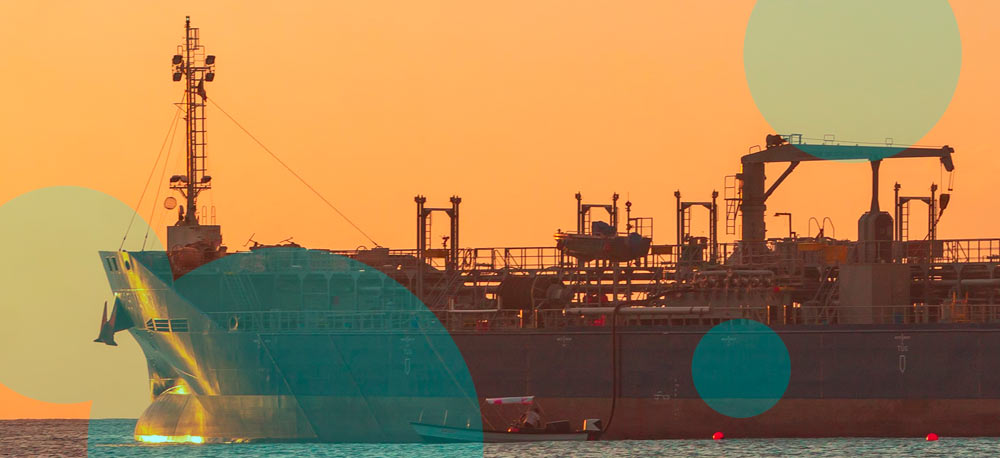
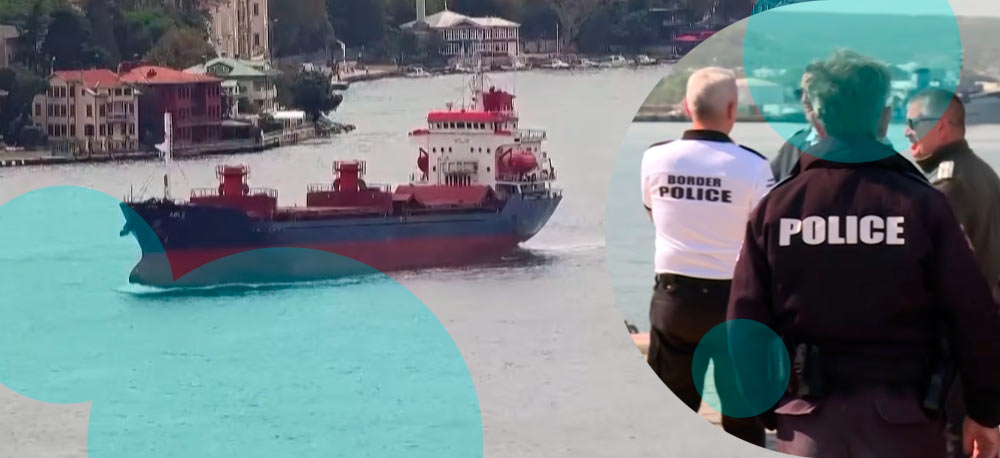
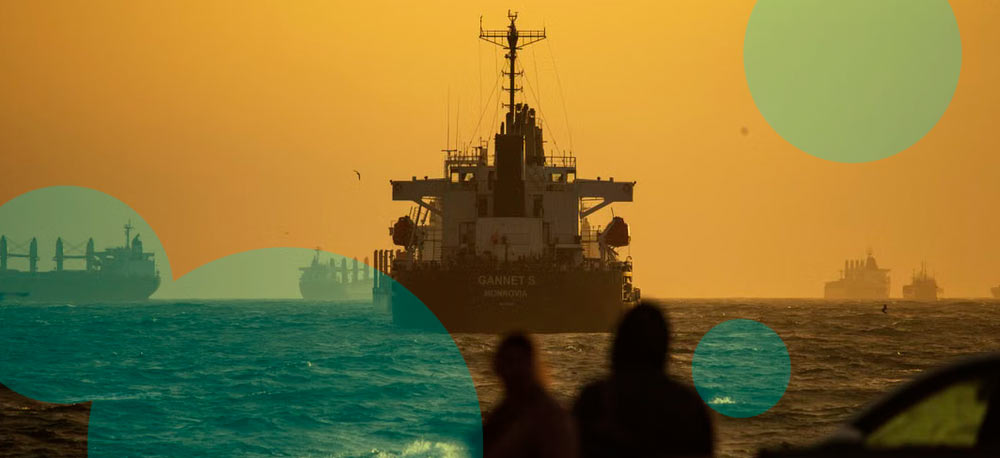
Ships in the Persian Gulf and Red Sea now face some of the highest marine war-risk insurance costs in years, as underwriters reprice cover around Iranian attacks, Houthi threats and weaker appetite for spot voyages.
Persian Gulf war-risk pricing has returned to decade-high levels. Insurers quote 3% to 6% of a ship’s value, compared with a normal peacetime rate near 0.25%, according to McGill and Partners marine head David Smith, cited by The Wall Street Journal.
The same report said Red Sea insurance rates had risen as much as tenfold from last month.
The Gulf range shifts sharply by vessel profile and route. Marsh told S&P Global in July that additional war-risk premiums around the Strait of Hormuz had moved from 1% to 3% of hull value a few weeks earlier to 7.5% to 10%, as underwriters became less willing to write spot cover.
The broker also said Hormuz traffic had fallen far below pre-war levels. It counted 10 transits on July 21, compared with more than 130 daily transits before the Middle East war began on February 28.
The Red Sea market has repriced with similar speed. Reuters reported that indicative war-risk premiums rose to about 0.75% of vessel value after Yemen’s Iran-linked Houthis declared a naval blockade against Saudi Arabia.
Before the announcement, the rate stood near 0.3%. On a seven-day voyage, even that move adds hundreds of thousands of dollars.
Rates climbed again after attacks on Saudi tankers. Reuters said premiums for southern Red Sea voyages rose above 1% from about 0.75%. Some Saudi-linked ships received quotes as high as 3% near Jizan, Al Shuqaiq and the Bab el-Mandeb route into the Gulf of Aden.
Northern Saudi ports drew lower quotes at the time. Jeddah and Yanbu were priced near 0.1%, reflecting a different risk profile and less direct exposure to the southern Red Sea threat zone.
Saudi Arabia has held talks with London brokers about a state-backed war and political risk insurance scheme for ships, according to people familiar with the discussions, as conflict threatens the kingdom’s trade routes and energy exports.
The talks follow months of sharper marine insurance pricing and tighter cover for vessels, infrastructure and cargo, including oil and chemicals. Insurers have repriced exposure around the Iran war and the Houthis’ escalating campaign against Saudi Arabia.
London insurers have already expanded the Red Sea high-risk zone. The Joint War Committee moved its Red Sea notification line north after attacks on Saudi-linked vessels. Reuters later reported that war-risk premiums for ports north of Jizan, including Jeddah and Yanbu, had jumped to 1% from 0.25% earlier that week.
Southern Red Sea voyages were quoted between 1% and 2% of ship value, up from 0.3% before the Houthi announcement. Same corridor, different math, depending on affiliation and port call.
The pressure now reaches beyond hull insurance. DP World launched cargo war-risk insurance for Middle East trade in May, saying traditional cover had become fragmented, expensive and sometimes unavailable.
Its product covers sea or air transit, port storage and inland transport, with limits up to $400 mn per shipment.
According to Beinsure analysts, the pricing gap between Gulf and Red Sea routes shows how marine insurers separate risk by affiliation, port call, chokepoint exposure and vessel behavior. A Saudi-, U.S.-, Israel- or Western-linked ship receives a different quote from a tanker moving through a less exposed route.
Same waterway, different bill. For shipowners, charterers and cargo interests, war-risk pricing has shifted from a routine voyage cost to a live measure of geopolitical exposure.