Disruptions in the Strait of Hormuz could force small and medium-sized enterprises out of global supply chains, increasing economic concentration even after trade volumes recover, according to UN Trade and Development. The organisation said smaller firms face greater difficulty absorbing higher energy, transport, insurance and financing costs than large companies.
SMEs account for around 90% of businesses globally, 70% of employment and 50% of world GDP. Their exposure therefore extends well beyond companies directly dependent on Gulf shipping routes.
Large corporations generally have more options to diversify suppliers, markets and funding sources when trade routes are disrupted. Smaller companies often operate with thinner margins and fewer alternatives, leaving them more exposed to sudden increases in operating costs.
UNCTAD warned of an “SME exclusion effect” in which companies scale back production, postpone investment or leave international value chains altogether. Such exits could persist even after broader trade flows begin to recover.
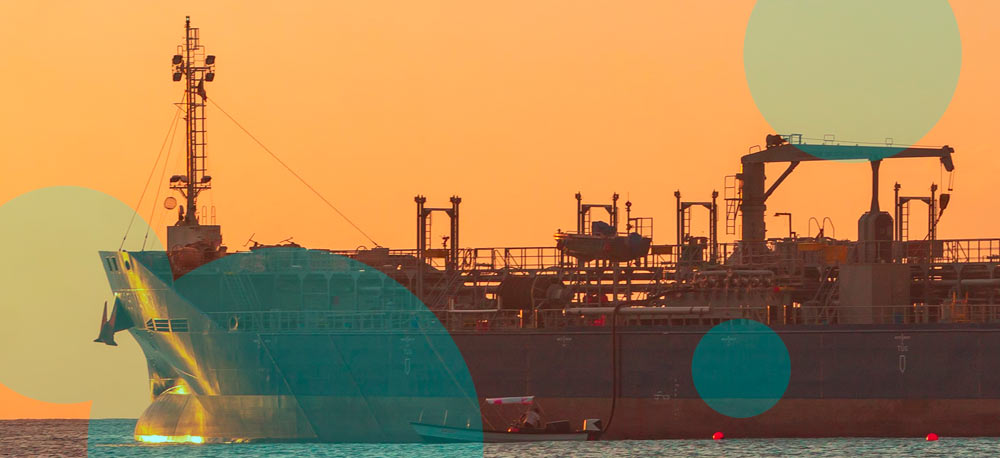
The pressure has increased as conflict in the Middle East disrupts shipping through the Strait of Hormuz. The waterway normally carries a substantial share of global oil and LNG supplies, making interruptions there particularly important for energy markets and freight costs.
Markets had experienced a quieter period in August before fighting intensified again in September. Brent crude moved back above $100 per barrel this week as attacks on vessels and regional energy infrastructure raised concerns over further supply disruption.
The economic effect isn’t limited to fuel prices. Higher freight charges and insurance premiums increase the cost of moving goods, while tighter financing conditions raise working-capital expenses for companies already operating with limited cash reserves.
UNCTAD said smaller firms also tend to face higher relative costs for electricity and import compliance. Longer delivery periods and payment cycles can create additional pressure on liquidity during a trade shock.
The risk is not only that trade slows globally. It is that smaller firms can be really pushed out of the value chains, even when overall trade begins to recover.
Marcelo Risi, UNCTAD
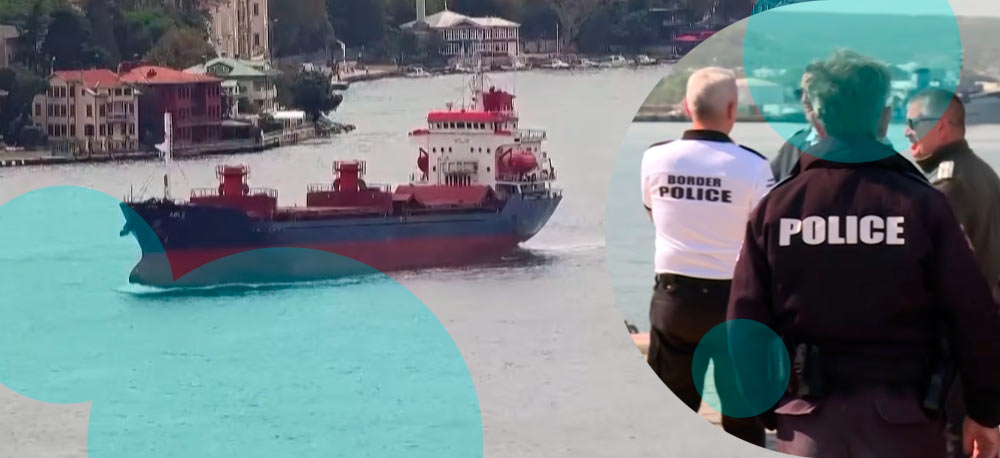
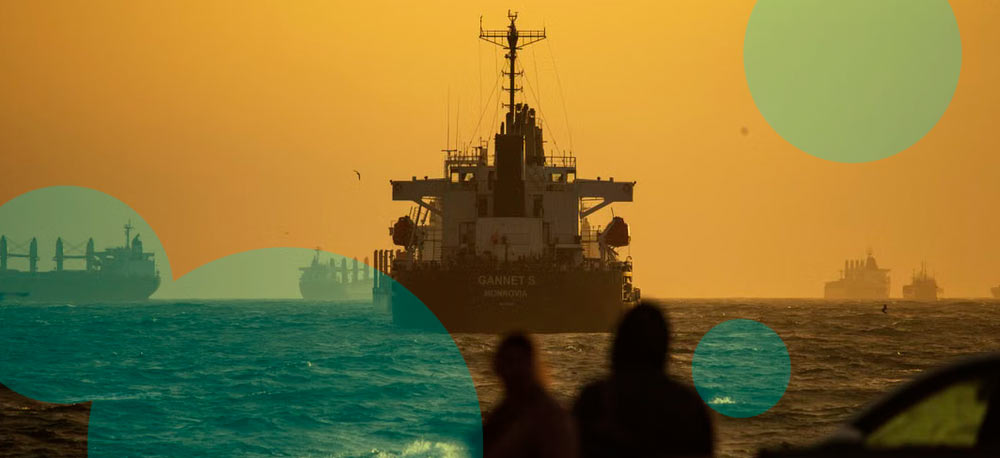
Recent disruption has already reduced shipping activity through Hormuz. Traffic remained below recent averages this week, with only six commodity vessels recorded passing through the strait on Tuesday compared with a 10-day average of 12.
Additional attacks elsewhere in the Gulf could broaden the impact. Renewed Houthi strikes on Saudi Arabia have raised concern over energy infrastructure and shipping routes outside the Strait of Hormuz itself.
For SMEs, prolonged disruption could translate into delayed investment and lower production before it results in outright business exits. Companies dependent on imported energy, components or trade finance are particularly exposed when several cost pressures rise at the same time.
UNCTAD said policy responses should therefore track whether SMEs remain connected to markets during trade shocks rather than looking only at aggregate trade volumes. It also called for stronger access to trade finance and working capital, alongside more reliable logistics support.
The organisation also recommended measures helping smaller firms diversify suppliers and customers. Its concern is that repeated disruptions could leave global supply chains increasingly concentrated among larger companies with the financial resources to withstand prolonged shocks.
That concentration would make the effects of the Hormuz disruption last beyond the immediate shipping crisis. Even if trade eventually returns to previous levels, smaller firms that have already left supply chains may struggle to regain their former positions.