Follow Beinsure
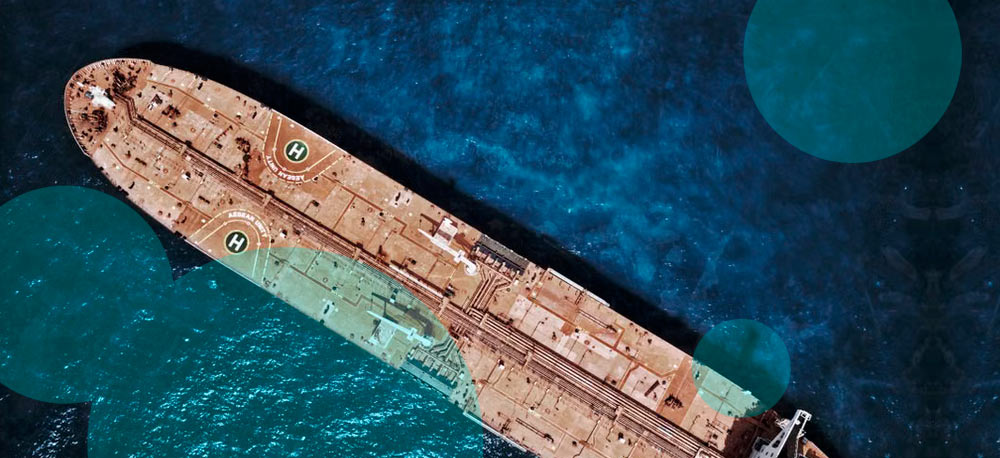
Hackers gained access to the propulsion system of the VL Prosperity oil supertanker as the vessel approached the Texas coast this summer. The breach gave outsiders temporary access to a digital system connected to the ship’s propulsion, the officials said.
Investigators are still examining how the attackers entered the network, who was responsible and how long they retained access. Officials have also not determined the full extent of what the hackers were able to control.
The incident prompted the FBI and U.S. Coast Guard to board the VL Prosperity in August. The fully loaded tanker, classified as a Very Large Crude Carrier, was heading toward Galveston at the time.
The Coast Guard declined to comment on details of the investigation. The FBI referred to an earlier joint statement saying the agencies boarded the VL Prosperity and another vessel to verify the integrity of their operational and information technology systems after indications that both ships’ networks had been compromised.
Currently, there are no reports of operational disruptions, vessel instability, physical danger to crews, or environmental impacts.
The discovery has drawn attention from U.S. military and intelligence officials because access to propulsion systems creates the possibility of a cyber intrusion affecting the physical operation of a large vessel. Investigators haven’t disclosed whether the attackers attempted to manipulate the VL Prosperity’s propulsion or whether they had the technical ability to do so.
Ships increasingly depend on connected digital systems for navigation, communications and other operations. Confirmed intrusions into operational ship systems remain uncommon, though maritime cybersecurity specialists warn that a successful breach has the potential to affect vessels carrying large quantities of fuel or other hazardous cargo.
These are the largest moving objects in the world transporting the world’s economy. We just can’t have this type of unauthorized access. Every mariner should be extremely concerned.
The joint Coast Guard and FBI team boarded the VL Prosperity in late August after the vessel lost communications and authorities received indications that hackers had compromised its network. The agencies boarded another vessel in the Gulf of Mexico during the same month following a separate suspected cyber threat.
By September, U.S. agencies were tracking cyber threats involving nearly 20 vessels worldwide. The Coast Guard asked to receive advance notice if any of those ships planned to enter a U.S. port.
DNV noted loss of vessel functions during a cyberattack would represent a worst-case situation for a large ship carrying hazardous material. Most vessels, though, have backup systems that allow crews to continue operating when primary systems fail.
The investigation into the VL Prosperity remains open. Authorities have not identified the hackers or disclosed whether the breach was linked to a government, criminal group or another actor.