An original insurance document covering RMS Titanic shortly before its sinking in April 1912 is expected to sell for between £30,000 and £50,000 at an auction in Wiltshire, England.
The document, believed to be the only surviving insurance ledger relating to the ship’s hull and sea trials, will be offered by Henry Aldridge and Son in Devizes on November 21, 2026.
- A rare RMS Titanic insurance ledger, signed March 27, 1912, will be auctioned by Henry Aldridge and Son on November 21.
- The ship carried approximately $5 mn in total-loss insurance across 77 insurers, including $100,000 underwritten by Atlantic Mutual Insurance Company.
- Titanic’s owners received the insurance payout within 30 days of the sinking, while families pursuing negligence claims reportedly waited four years for compensation.
Signed on March 27, 1912, just 19 days before the disaster, the policy formed part of a $5 mn marine insurance arrangement covering the vessel against total or constructive total loss.
The coverage was distributed among 77 insurers, with Atlantic Mutual Insurance Company underwriting $100,000 of the risk. The original insured amount would be worth approximately $173 mn today, according to the auction house.
Following Titanic’s sinking, its owner, Oceanic Steam Navigation Company, reportedly received the full $5 mn insurance settlement within 30 days.
Titanic’s insurance policy covered $5 mn in total-loss risk
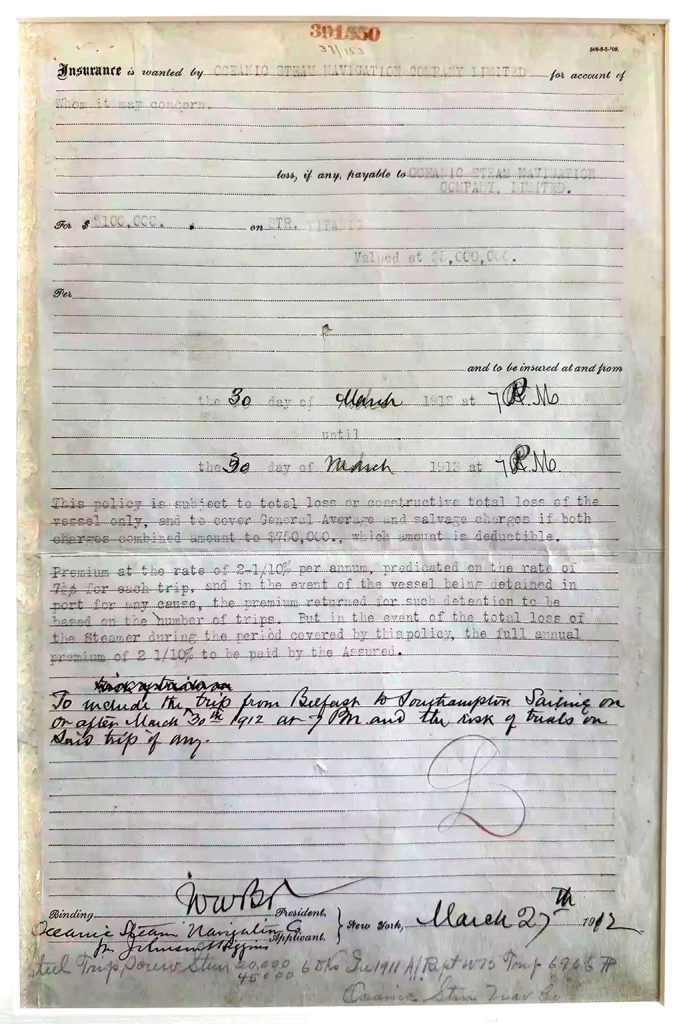
The photo shows a section of the original insurance policy for RMS Titanic, arranged in March 1912 by brokers Willis Faber & Co. with Lloyd’s syndicates and other insurance companies.
Key details from the document:
- Period of insurance: The policy ran until noon on 30 March 1913, as specified in the handwritten wording: “until the 30th day of March 1913 at 12 o’Clock Noon”.
- Scope of cover: The policy covered “total loss or constructive total loss of the vessel only”, as well as “General Average and salvage charges”, subject to an aggregate threshold of $750,000 (the deductible).
- Premium rate: The annual premium was 2⅒% of the sum insured.
- Handwritten endorsement (left-hand side): A special clause was added to extend cover to the vessel’s initial voyage.
It reads: “To include the trip from Belfast to Southampton Sailing on or after March 30th 1912 at 12 P.M. and the risk of trials in this Ship if any”. This extended cover to the passage from Belfast to Southampton, departing at noon on 30 March 1912 or thereafter, and to any sea trials undertaken by the vessel.
This historic document confirms that Titanic’s total insured value was $5 mn, of which approximately $750,000 was insured by the White Star Line through the Lloyd’s market.
Following the liner’s sinking in April 1912, insurers paid the full insured amount within 30 days – one of the largest and most swiftly settled insurance claims of the period.
The insurance arrangement was established before Titanic departed on its maiden voyage from Southampton to New York.
The surviving document records coverage provided by Atlantic Mutual, one of the ship’s principal insurers. The company’s individual $100,000 participation would be equivalent to approximately $3.5 mn today.
The insurance contract covered a one-year period beginning March 30, 1912. A handwritten addition specifically extended protection to Titanic’s delivery voyage from Belfast to Southampton and any associated sea trials.
The provision states:
To include the trip from Belfast to Southampton sailing on or after March 31, 1912 at 7:00 P.M. and the risk of trials on said trip, if any.
The document also specifies that the insurance applies in the event of total or constructive total loss of the vessel. These provisions establish that the ship’s insurance arrangements were in force before Titanic began carrying passengers.
Atlantic Mutual was among Titanic’s largest insurers
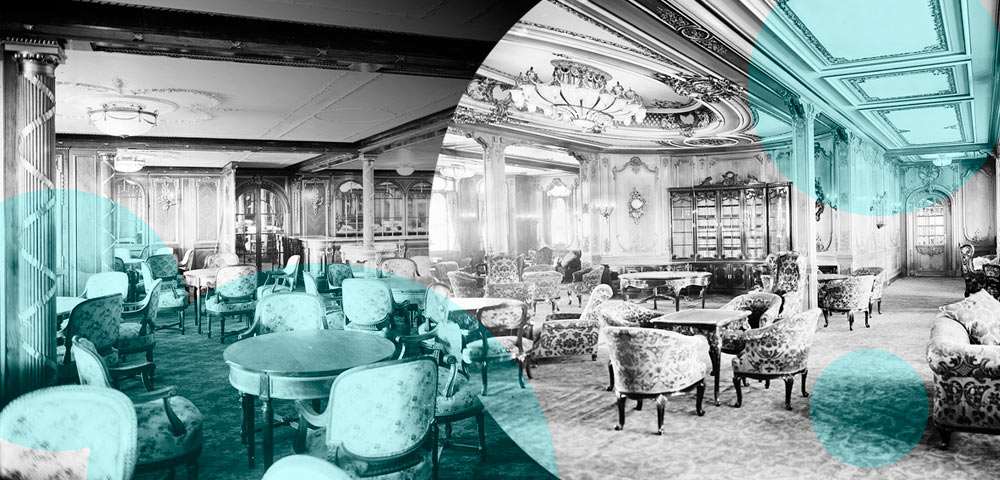
Atlantic Mutual Insurance Company was established in the United States in 1838.
By the middle of the 19th century, it had become the largest marine and general insurance company in North America. Its client, Oceanic Steam Navigation Company Limited, was Titanic’s parent company.
Atlantic Mutual is believed to have provided more insurance coverage for the vessel than any other individual carrier participating in the consortium.
The insurer paid its $100,000 policy limit within 30 days of the sinking.
Atlantic Mutual remained involved in major insurance claims throughout the following century, including losses associated with the September 11, 2001, terrorist attacks in New York.
Its insurance licenses were eventually revoked, and the company entered liquidation in 2011.
According to Henry Aldridge and Son, historical documents from Atlantic Mutual’s archives were subsequently displayed at an exhibition in New York. A dealer acquired the Titanic insurance document during that period.
Titanic insurers paid $5 mn within 30 days of the disaster
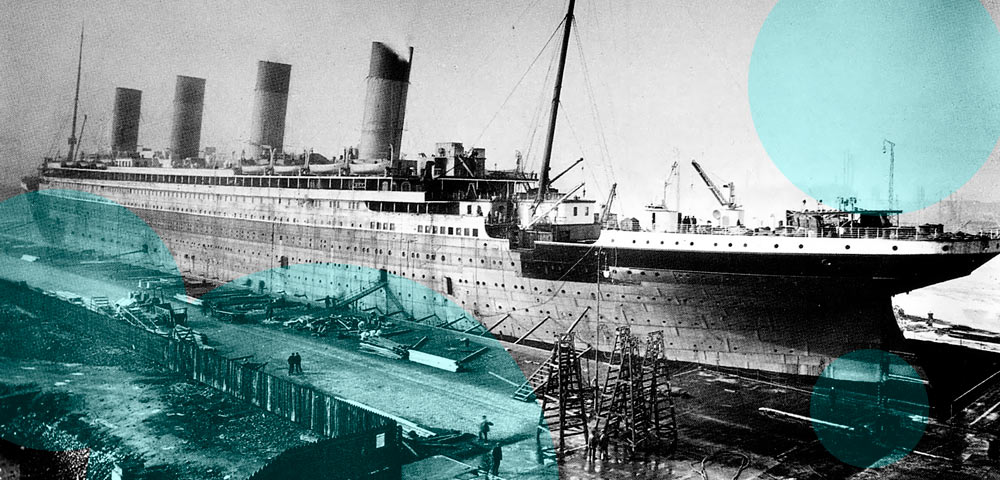
Titanic departed Southampton on April 10, 1912, bound for New York. Four days later, on the night of April 14, the passenger liner struck an iceberg in the North Atlantic. The vessel sank in the early hours of April 15, killing approximately 1,500 passengers and crew.
The sinking became one of the deadliest peacetime maritime disasters in history. Despite the scale of the loss, the ship’s insurers reportedly settled the $5 mn claim within a month.
Andrew Aldridge, managing director of Henry Aldridge and Son, described the speed of the insurance settlement as unusual given the circumstances.
It is quite extraordinary that the owners of Titanic received the pay out within a month of the disaster, barely after the funerals of the victims had taken place.
Andrew Aldridge, managing director of Henry Aldridge and Son
Aldridge suggested that a comparable settlement today could take substantially longer. The timing also contrasted with compensation claims pursued by victims’ families. Those seeking damages through negligence litigation reportedly waited four years before receiving a combined settlement of approximately $663,000.
Rare Titanic insurance document valued at up to £50,000
Henry Aldridge and Son estimates the document will sell for £30,000-£50,000, approximately $40,000-$67,000. The auction house says it has found no record of another original Titanic insurance policy being offered for sale.
He described the document as an ordinary-looking sheet of paper with substantial historical significance.
This is the one and only document that exists today relating to the insurance for Titanic. It is an unremarkable piece of A4 paper but it holds the key to $5 mn.
Aldridge also noted the significance of the policy’s total-loss wording given the disaster that followed less than three weeks after it was signed.
The surviving ledger provides a record of the financial protection arranged for the vessel, including coverage for its final preparations before entering commercial service.
Titanic shipbuilding plans will also be auctioned
The November 21 sale will include an original Titanic shipbuilding plan used by Harland & Wolff, the Belfast shipyard responsible for constructing the liner.
The insurance document is among the principal items in the auction, which specializes in historical Titanic memorabilia. Its significance lies in the combination of original underwriting terms, the handwritten extension covering sea trials and its connection to one of the largest marine insurance losses of the early 20th century.
The £30,000-£50,000 estimate reflects the auction house’s valuation ahead of the November 21 sale in Devizes.