- Iran has expanded tanker attacks beyond the Strait of Hormuz, with vessels struck near Qatar and the UAE on October 7 and 9.
- The Islamic Revolutionary Guard Corps warned that ships using unauthorized routes could be pursued throughout the Gulf, as regional oil exports approach prewar levels.
- The latest incidents involved the Turkish-owned Acers and Chinese-owned Gem No. 2, while Iran separately claimed an unverified attack on NV Sunshine.
Iran has extended its attacks on oil tankers beyond the Strait of Hormuz into the wider Gulf, seeking to reinforce its control over the strategic waterway and prevent a further recovery in regional oil exports.
The escalation follows attacks on two tankers, one near Qatar on Wednesday and another off Al Jazeera in the United Arab Emirates on Friday. Iran’s Islamic Revolutionary Guard Corps (IRGC) subsequently reiterated its claim of control over the Strait of Hormuz, according to FT.
The IRGC navy warned Friday that action against vessels and companies it considers “non-compliant” would extend beyond the strait.
“Any vessel that passes through an unauthorised passage will be pursued throughout the entire region and its punishment will be certain,” the force said. It also stated that it would “not allow the presence of invading armies” in the waterway and “will respond decisively to enemy provocations aimed at disrupting this control”.
The past 10 days have been among the deadliest for tanker operators since the conflict began. The attacks have intensified as shipowners have shown greater willingness to transit Hormuz.
Iran launched repeated strikes against vessels transporting Gulf crude oil and refined petroleum products after reports in late September indicated that regional exports were approaching their prewar average.
“The level of concentration of the attacks is right up there. Our suspicion is that it’s a reaction to the flow of oil out of the strait approaching prewar levels. Iran is exerting its control or attempting to,” a tanker industry executive said.
Most attacks in late September and early October occurred within a roughly 40 km area near the tip of Oman’s Musandam peninsula, along the southern side of the Strait of Hormuz.
The US Navy has provided air cover for tankers prepared to travel through the waterway along Oman’s coastline, part of an effort to encourage continued oil shipments.
The attacks on October 7 and 9, confirmed by UK Maritime Trade Operations (UKMTO), indicate that the geographical reach of the strikes is widening.
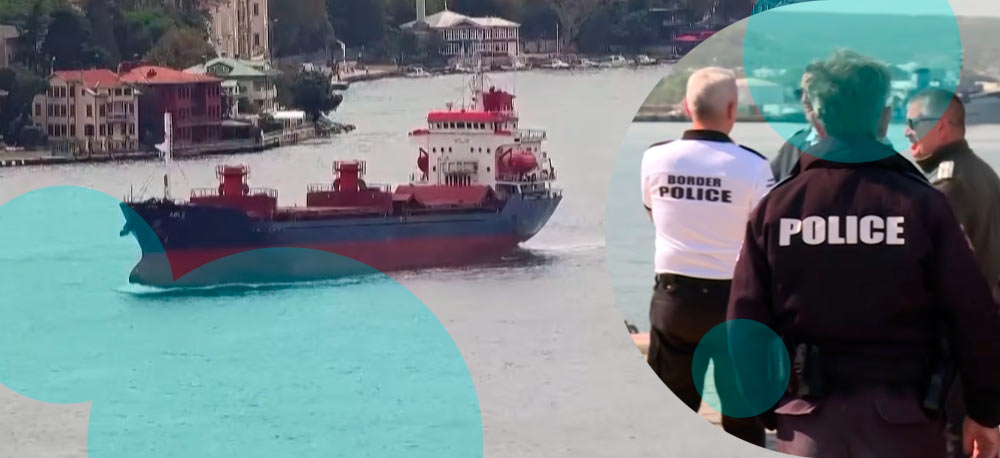
On Wednesday, the Turkish-owned oil products tanker Acers was struck off Madinat ash Shamal in Qatar. The incident caused a fire aboard the vessel and crew casualties, according to UKMTO and maritime security consultants.
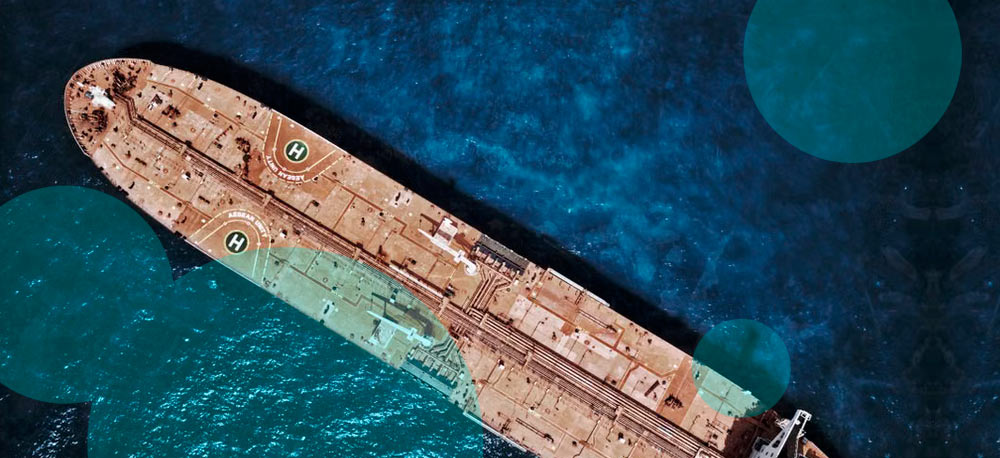
Friday’s attack near the UAE involved Gem No. 2, a Chinese-owned supertanker, according to two security sources.
Another vessel, Dhalkut, reported gunfire nearby on Thursday while positioned off Fujairah, maritime security company Vanguard said.
Fujairah has become a favored anchorage for tanker operators seeking to limit their exposure to attacks. Some vessels wait there to collect oil cargoes transported out of the Gulf by other ships.
Iran also claimed Friday that it had struck another vessel, NV Sunshine, after it passed through the Strait of Hormuz.
Ship-tracking data placed NV Sunshine off the coast of Qatar on Friday afternoon, although the reported attack had not been independently verified.
The expansion of strikes beyond Hormuz comes as Iran seeks to maintain pressure on shipping companies using the waterway and challenge efforts to restore Gulf oil exports toward prewar levels.
The IRGC has consistently denied that seaborne crude flows in the strait are rebounding thanks to US Navy help, with another IRGC adviser Majid Mirahmadi saying on Thursday that a daily average of 10 ships transit the waterway against an average of 125 before the war which started on February 28, when the US and Israel killed Supreme Leader Ayatollah Ali Khamenei in a Tehran airstrike.
Despite growing oil flows in September, Iranian attacks on tankers and logistical constraints have persisted and call into question whether higher flows can be sustained durably.