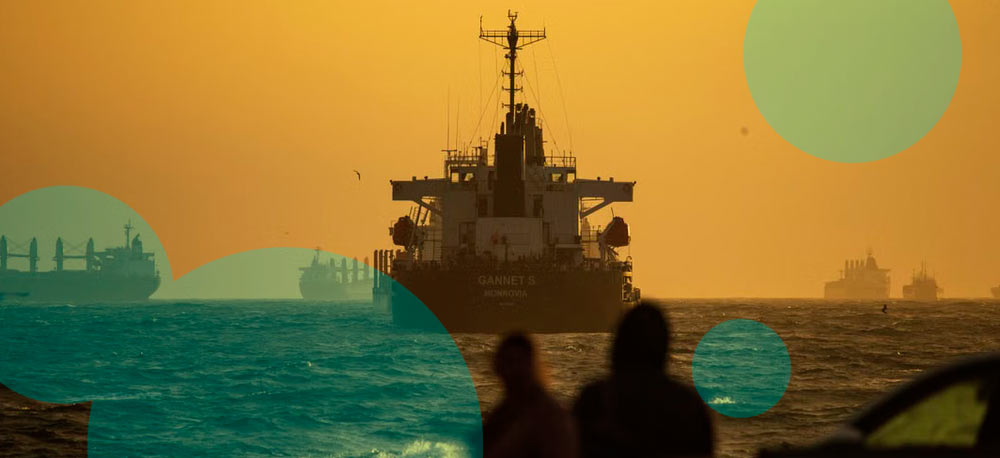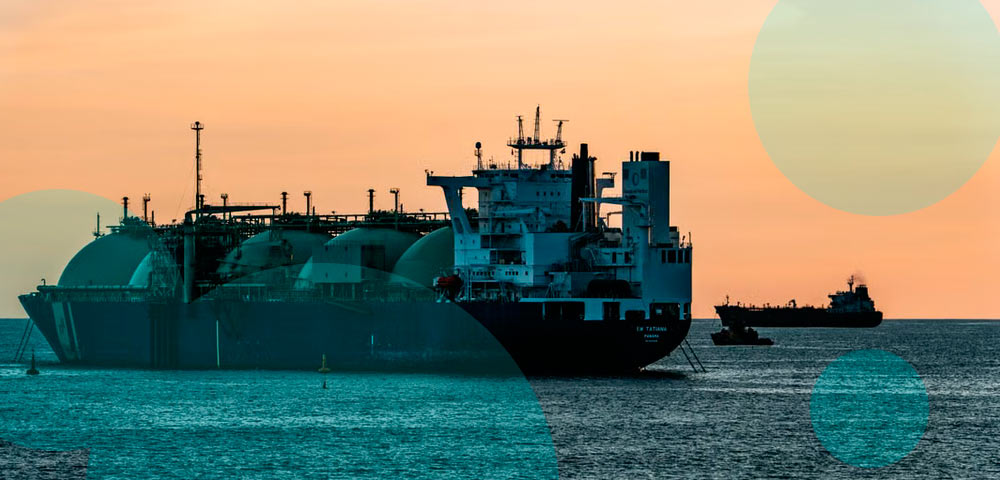
Liquefied natural gas (LNG) tanker traffic through the Strait of Hormuz reached its highest monthly level since the US-Iran conflict disrupted shipping in February 2026, according to vessel-tracking data from S&P Global Energy.
A total of 31 loaded LNG carriers exited the strategic waterway in October, compared with 23 in September, representing an increase of approximately 35%.
- Strait of Hormuz LNG traffic increased to 31 loaded tankers in October, up 35% from September and the highest monthly total since February 2026.
- Qatar’s Ras Laffan terminal loaded 35 LNG cargoes exceeding 2.7 mn tonnes, compared with nearly 6.2 mn tonnes exported by Qatar in February.
- Kpler recorded 42 LNG cargo loadings across Qatar and the UAE in October, compared with 27 in September, indicating a gradual recovery in Gulf gas exports.
Of those vessels, 23 carried LNG loaded at Qatar’s Ras Laffan export terminal, while eight originated from Das Island in the United Arab Emirates.
The increase signals a gradual recovery in LNG shipments from the Persian Gulf, although Qatar’s export activity remains substantially below pre-war levels.
Qatar’s LNG exports recover as Hormuz shipping increases
Qatar accounted for most of the increase in LNG traffic during October. According to Kpler, Ras Laffan recorded 35 LNG cargo loadings during the month, exceeding 2.7 mn tonnes. This was the terminal’s highest monthly loading volume since the conflict began.
However, Qatar exported nearly 6.2 mn tonnes of LNG in February, highlighting the continuing gap between current shipments and pre-war activity.
S&P Global Energy estimated that UAE LNG tanker movements had returned to pre-war levels, while Qatar’s traffic through Hormuz had recovered to more than 30% of its earlier volume. Kpler’s tracking data showed that combined LNG loadings increased from 27 cargoes in September to 42 in October.
Strait of Hormuz LNG traffic and export activity
| Indicator | September 2026 | October 2026 |
|---|---|---|
| Loaded LNG tankers exiting Hormuz | 23 | 31 |
| Total LNG cargo loadings | 27 | 42 |
| Ras Laffan cargo loadings | — | 35 |
| Ras Laffan LNG volume | — | 2.7 mn t |
| Das Island cargo loadings | 7 | 7 |
Sources: S&P Global Energy and Kpler. Tanker transits and cargo loadings represent different measures of LNG activity.
LNG tankers use ship-to-ship transfers near Oman
Some LNG shipments from Qatar continued their journeys through ship-to-ship transfers after exiting the Strait of Hormuz.
Kpler identified two vessels that loaded at Ras Laffan and subsequently transferred their cargoes near Oman’s Sohar anchorage. The SC Prestige transferred LNG to the BW ENN Crystal Sky, which was subsequently bound for South Korea.
Another vessel, Al Mafyar, transferred LNG to Shandong Redwood and Ejnan. Both receiving vessels delivered their cargoes to Pakistan.
Such transfers illustrate how LNG shipping operations are adapting to disrupted regional trade routes. Meanwhile, LNG exports from the UAE remained relatively stable. Das Island recorded seven cargo loadings in October, unchanged from September, according to Kpler.
Strait of Hormuz remains critical to global LNG supply
The Strait of Hormuz is one of the world’s most important maritime energy corridors, connecting major Persian Gulf exporters with international markets.
The US-Iran conflict has significantly disrupted LNG shipments, particularly from Qatar, one of the world’s largest suppliers.
Although October’s increase in tanker movements indicates improving export activity, the recovery remains uneven between Qatar and the UAE.
Qatar’s LNG exports are still well below their February levels, while UAE shipments have recovered more substantially.
The latest vessel-tracking figures suggest that LNG trade through Hormuz is gradually resuming, but shipping activity has yet to return fully to conditions prevailing before the conflict.
For global gas buyers, particularly in Asia, the pace of recovery remains an important factor in LNG supply availability and international energy market conditions.
Renewed attacks on commercial vessels in the Persian Gulf and Strait of Hormuz are maintaining pressure on maritime security and marine war-risk insurance, despite a partial recovery in oil prices following a sharp selloff after the US midterm elections.
Iran’s Islamic Revolutionary Guard Corps (IRGC) claimed that two oil tankers had struck sea mines and caught fire while attempting to navigate through the Strait of Hormuz and nearby waters.
The announcement followed Iranian reports that five tankers and a tugboat had been involved in similar incidents the previous day. However, maritime authorities have not independently confirmed the reported mine strikes, and the identities of the vessels have not been established.
Separately, a seafarer was killed in a suspected missile attack on a tanker operating in the Persian Gulf, according to the vessel’s management company.
The incidents underscore the continuing threats facing shipowners, operators and insurers responsible for vessels moving through one of the world’s most important energy transportation corridors.