RediMinds, a healthtech firm focused on AI-assisted contested medical review, received URAC’s first Health Care AI Accreditation. The company joined a cohort of three organizations under the new program, according to Beinsure.
URAC launched the accreditation pathway in September 2025 for healthcare AI users and developers. It operates alongside more than 40 URAC accreditation programs covering health plans, pharmacies, telemedicine providers, and mental healthcare organizations.
Federal and state rules define minimum legal duties. URAC evaluates quality standards, responsible AI use, private-data protections, and patient-safety practices.
RediMinds earned URAC’s Gold Star seal through the process. The company now joins accredited organizations including CVS Pharmacy, Walgreens, WebMD, and National Children’s.
The accreditation arrives as healthcare organizations adopt AI across clinical and administrative work. Providers use AI for diagnostics, claim decisions, disputed bills, and other medical review functions.
Governance has not kept pace with deployment. A 2025 HFMA report found that 88% of health systems use AI internally.
Only 18% reported mature governance structures and fully developed AI strategies. Nearly one-third reported no AI governance structure at all.
The gap carries greater weight in contested medical review. Insurers, providers, administrators, and review firms already use AI during dispute decisions.
Independent accreditation sets external standards before poor practices take root. According to Beinsure, this matters most where AI influences coverage disputes, payment outcomes, and access to treatment.
Madhu Reddiboina founded RediMinds in 2016. The company combines clinical judgment with arbitration logic, AI engineering, and health policy.
Its work covers Federal Independent Dispute Resolution, state external reviews, workers’ compensation claims, prior authorization cases, and disability benefits. The firm aims to modernize disputed medical-review processes through automated support and structured decision tools.
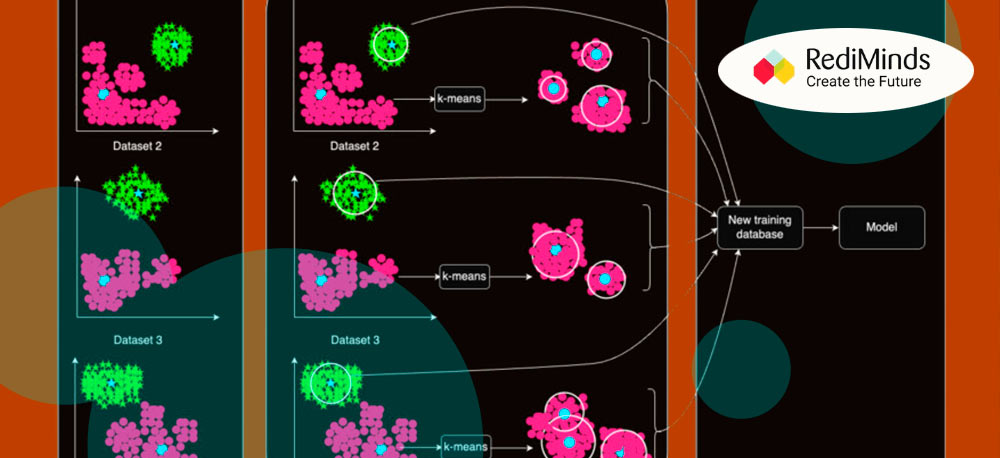
RediMinds met URAC requirements as an AI developer. Reviewers examined risk management, business management, and performance monitoring as separate parts of the assessment.
The company also presented evidence on data governance and model training. It documented pre-deployment testing before reviewers assessed its submissions.
URAC anonymized all materials before review. An independent board assessed each organization only through evidence supplied during the accreditation process.
Reddiboina said healthcare AI requires outside scrutiny rather than self-certification. He said public standards should apply the same accountability expected in other healthcare processes.
He described URAC’s framework as a baseline for responsible AI adoption. The process gives users and developers a public standard against which others can assess their systems.
Trust in healthcare AI can’t be self-certified. It has to be audited against a public standard, with the same transparency and accountability we expect from any other healthcare process. URAC is applying the rigor of its established accreditation programs to AI, creating a credible baseline for responsible AI adoption.
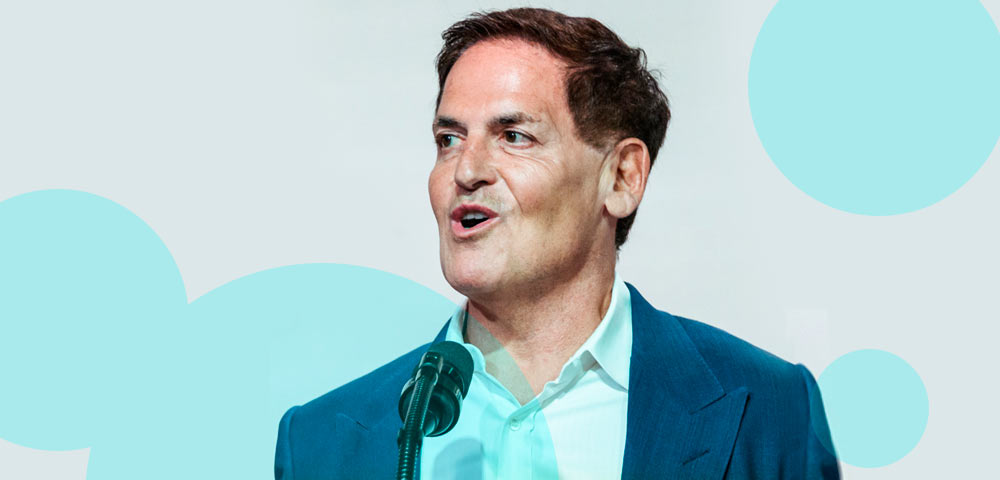
Madhu Reddiboina, founder and CEO of RediMinds
Reddiboina compared the current moment with the period before HIPAA became a defining privacy framework for healthcare. He said contested medical review already shows where AI governance needs stronger external checks.
“From where we sit at RediMinds, this feels like the run-up to healthcare’s HIPAA moment for AI. In contested medical review, the direction of travel is already clear. Over 60 health insurers pledged last year to reform and speed up prior authorization, but surveys have found that physicians’ trust in that pledge is already thin”, Madhu Reddiboina said.
More than 60 health insurers pledged last year to reform and speed up prior authorization. Surveys have shown limited physician trust in those commitments.
Reddiboina said independently audited standards turn public pledges into measurable requirements. They give healthcare organizations a way to test whether AI systems meet stated obligations for accountability and patient safety.