Follow Beinsure

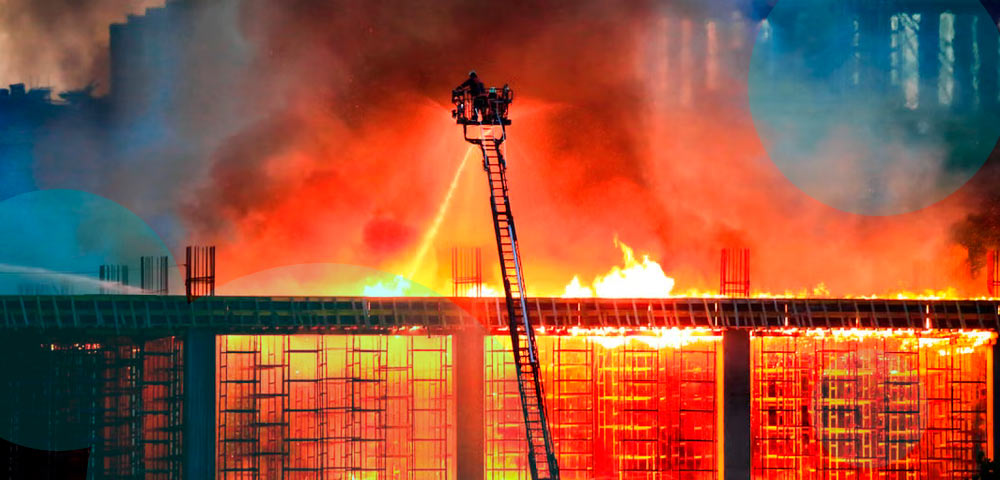
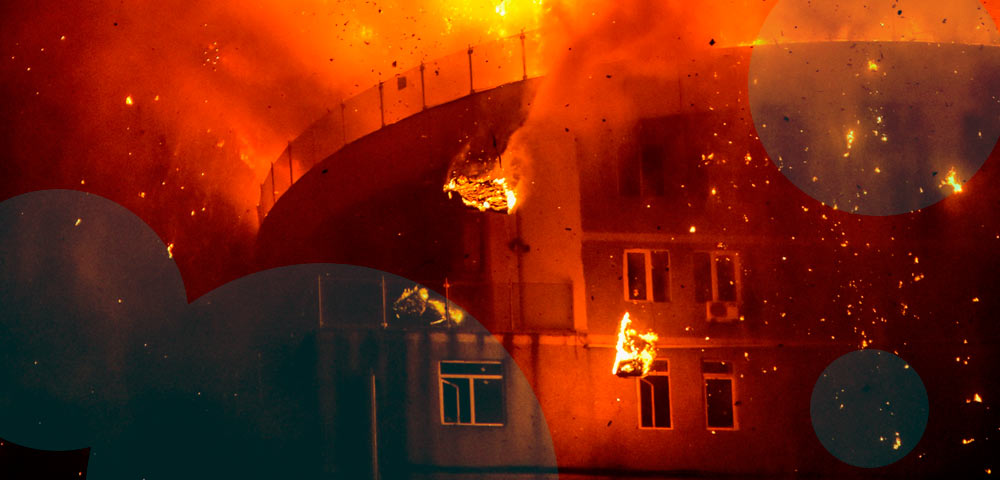
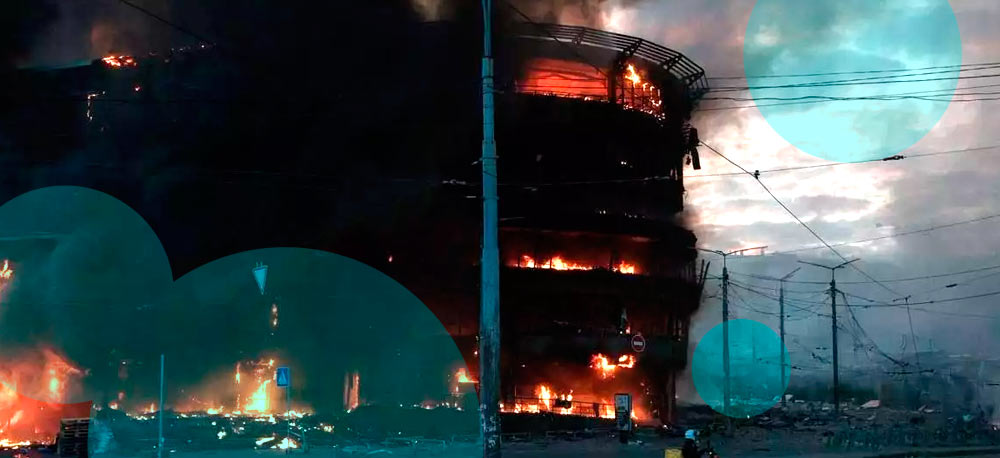
The fire that tore through 7 towers at Hong Kong’s Wang Fuk Court has already become the city’s deadliest incident in decades, and insurers now face a flood of near-term insurance claims.
Analysts say the hit lands squarely on China Taiping Insurance (Hong Kong), the main underwriter for the complex and its renovation contractor.
Public meeting minutes and project-briefing documents put the insurer’s exposure north of $200 mn, a figure that rattled the market even before full loss development emerged.
Fitch’s Mengyuan Wang says China Taiping will absorb a temporary spike in its combined ratio, a blunt signal that underwriting profitability takes a hit.
Capital erosion should stay modest, according to the note, and probably won’t disturb the group’s credit rating.
Still, we think investors reacted to the uncertainty around liability claims and the sheer scale of the event.
The insurer says it has already processed the first nine home insurance claims, paying HK$5.37 mn – roughly $690,000 – to affected residents.
Reinsurance sits in the background as a shock absorber, and Beijing’s support remains a possible backstop if losses keep stacking up.
According to Beinsure, that mix tempers the financial blow, though not the near-term earnings noise.
Fitch warns that loss development still shifts day by day. Third-party liability insurance claims could run higher than early estimates, and slow recoveries would stretch the payout timeline.
Either scenario makes earnings wobblier, and the range of outcomes widens as investigators comb through damage and policy wording.
Market conditions will shift too. Insurers look ready to increase premiums, deductibles and exclusions for high-rise renovation risks and properties in hotter loss zones.
Insurers may pull back capacity altogether. Reinsurance prices are expected to tighten, and coverage limits could shrink through 2026-2027.
Those changes lift operating costs for primary insurers and, maybe, lead to stricter underwriting on buildings once viewed as routine.