Follow Beinsure

Homeowners insurance costs have climbed sharply across much of the U.S. in recent years, putting more pressure on household budgets.
Many policyholders now pay substantially more for the same type of protection, especially in states exposed to storms, wildfire, hail, and rising rebuilding costs.
Insurance experts say homeowners looking to reduce premiums have several practical options. Some involve simple policy changes or comparison shopping.
Others require upfront spending on home improvements, which can reduce loss risk and create longer-term savings.
Average homeowners insurance premiums rose 24% between 2021 and 2024, reaching $3,303 a year, according to a report published last year by the Consumer Federation of America.
The group tracks consumer pricing and affordability trends across insurance markets.
That increase roughly matched the broader pace of U.S. inflation over the same period, based on consumer price index data. The U.S. Treasury Department reached a tougher finding in an analysis published last year, saying average policy premiums outpaced inflation by 8.7% from 2018 to 2022.
Premium pressure varies widely by state, and some homeowners face much higher bills than the national average. In Louisiana and Nebraska, average homeowners insurance premiums exceed $500 a month, or more than $6,000 a year, according to a February report from Bankrate.
Several forces have pushed costs higher for insurers and policyholders. Repairing and rebuilding homes costs more because materials and labour have become more expensive.
Climate change has increased the frequency and severity of storms and wildfires. Reinsurance costs have also risen, and more homeowners have moved into areas with higher catastrophe exposure.
For insurers, those pressures flow through underwriting, pricing, and capacity decisions. For homeowners, they show up as higher premiums, larger deductibles, tighter coverage terms, or fewer available carriers in some markets.
Policyholders still have ways to slow the increase or reduce their annual cost. Insurance experts usually start with a full policy review, because coverage limits, deductibles, endorsements, and discounts often drift out of line with a homeowner’s current risk profile.
Shopping around also matters, especially when premiums rise sharply at renewal. Different insurers price the same home differently, based on models, claims experience, reinsurance costs, and local appetite. A homeowner who stays with one carrier for years can miss better pricing elsewhere.
Raising the deductible can reduce the premium, though it shifts more loss cost back to the homeowner. That move works best for households with enough savings to absorb a larger out-of-pocket payment after a covered loss.
Bundling home and auto coverage can also lower costs for some policyholders. The savings vary by insurer, state, and risk profile, so homeowners should compare bundled pricing against separate policies rather than assume the package always wins.
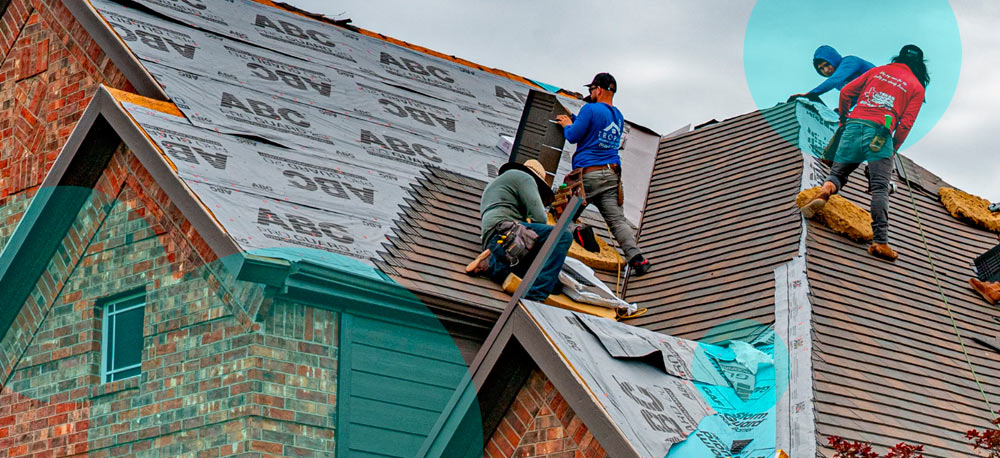
Home mitigation can create more durable savings, especially in catastrophe-exposed regions. Stronger roofs, storm shutters, defensible space, water leak detection systems, and updated electrical or plumbing systems can reduce the likelihood or severity of claims.
Some improvements qualify for insurer discounts or state-backed grant programmes. The economics differ by market, but mitigation often gives homeowners a second benefit beyond premium savings: better insurability when carriers tighten underwriting.
Homeowners should also check whether their dwelling limit reflects current rebuilding costs rather than market value. Underinsuring a property creates serious claims risk, but overestimated limits can inflate premiums.
The right number requires replacement-cost thinking, not guesswork from a listing price.
Claims history matters too. Filing small claims can raise future premiums or affect renewal terms, depending on the insurer and state rules. Homeowners with manageable repair costs sometimes choose to pay out of pocket, preserving insurance for larger losses.
According to Beinsure analysts, homeowners insurance affordability now depends on both market conditions and individual risk presentation. Policyholders cannot control reinsurance pricing or climate exposure, but they can improve property resilience, test the market, and remove avoidable coverage inefficiencies before the next renewal.