Colorado’s SB26-155 creates a homeowner insurance enterprise to fund resilient roofs, reduce hail losses, and support competition in wildfire-prone markets.
Colorado Gov. Jared Polis signed SB26-155 into law, a measure supporters say will help reduce homeowner insurance costs across the state.
The bill, named Increase Access Homeowner’s Insurance Enterprise, targets roof resilience, hail losses, and insurance availability in higher-risk areas.
Polis said the broader package should save Coloradans about $800 each year on homeowners insurance. The measure focuses on making hail-resistant roofing more affordable, reducing future claim severity, and improving market competition in areas exposed to wildfire risk.
Speaker Julie McCluskie, Representative Kyle Brown, Senator Kyle Mullica, and Senator Janice Marchman sponsored the bill. The law creates a new enterprise governed by a seven-member board with insurance, mitigation, roofing, consumer, and county representation.
The board will include the Colorado insurance commissioner or the commissioner’s designee. Other members will bring expertise in home hardening, risk mitigation, resilient roof systems, insurance underwriting, and actuarial analysis.
The structure also gives seats to representatives of insurers, consumers, and counties.
Starting in 2027, the enterprise will impose an annual fee of 0.5% on total premium collected by admitted insurers selling multiperil homeowners policies in Colorado. The fee will fund property resilience programmes rather than general state spending.
At least 85% of fee revenue must go to grants for Colorado homeowners. Those grants will help pay for resilient roof systems designed to cut insurer losses from hail and windstorms.
For homeowners, the practical question is whether roof upgrades translate into lower long-term premiums, fewer non-renewals, and better access to coverage.
The enterprise will also analyse hail loss data across Colorado. That work will help identify areas where resilient roof installation should receive priority. Hail has become a major cost driver for insurers in parts of the state, and better targeting should make the grant money work harder.
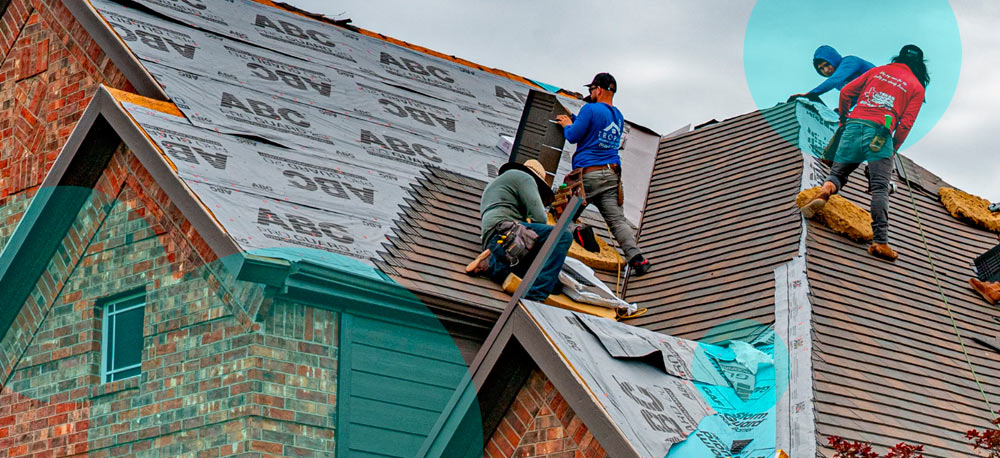
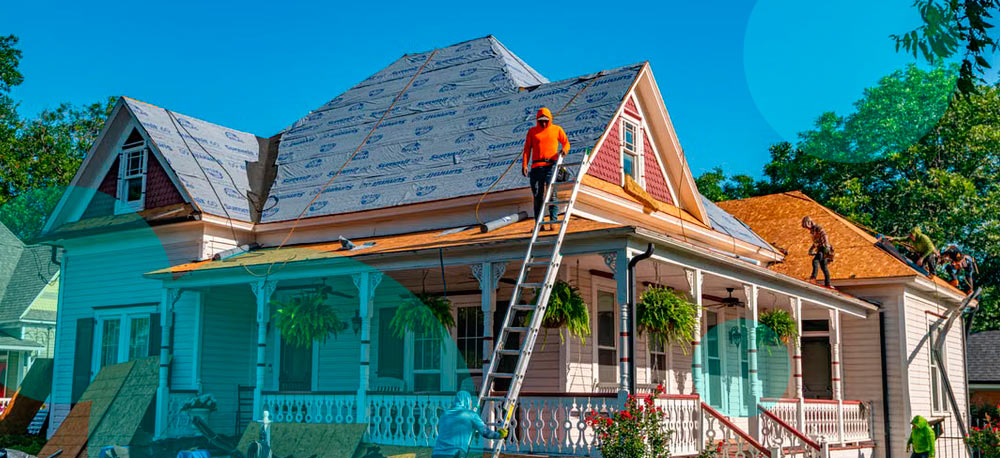
The law also directs the enterprise to set standards for resilient roof systems. It will award workforce training grants for installation and certification, giving contractors clearer technical requirements. That matters because roof performance depends on materials, installation quality, and inspection discipline.
Colorado will also create codes of conduct for roofing contractors under the programme. The goal is to make sure roofs get installed properly and marketed honestly.
Bad installation wastes grant money and leaves insurers paying for preventable damage later.
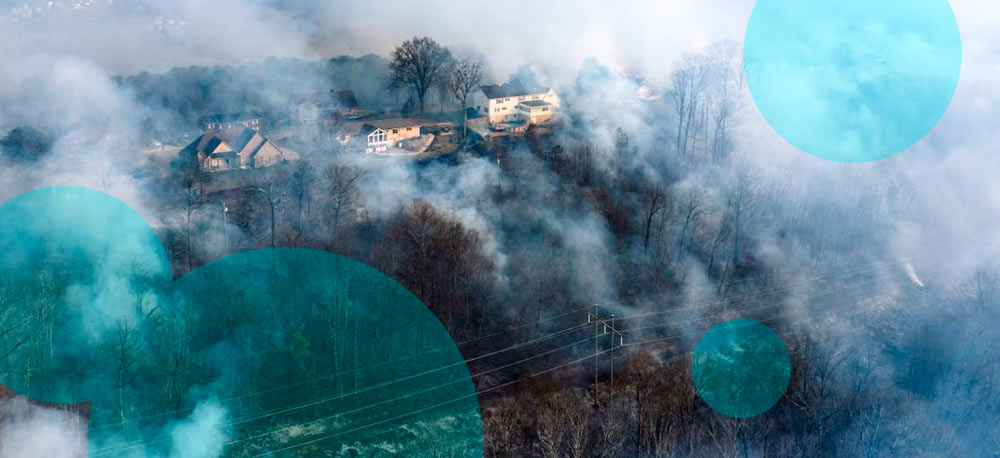
The measure also requires a study of insurance risk in high-risk wildfire areas. The enterprise will conduct the study directly or hire a third party. The findings should help policymakers understand where affordability pressure comes from, how mitigation affects losses, and where private-market capacity remains thin.
According to Beinsure analysts, SB26-155 gives Colorado a more targeted insurance affordability tool than broad premium controls. It tries to lower claims costs before losses occur, which insurers usually prefer.
The harder test comes after 2027, when officials need to prove grant-funded roofs reduce losses enough to influence underwriting appetite and homeowner premiums.