Follow Beinsure
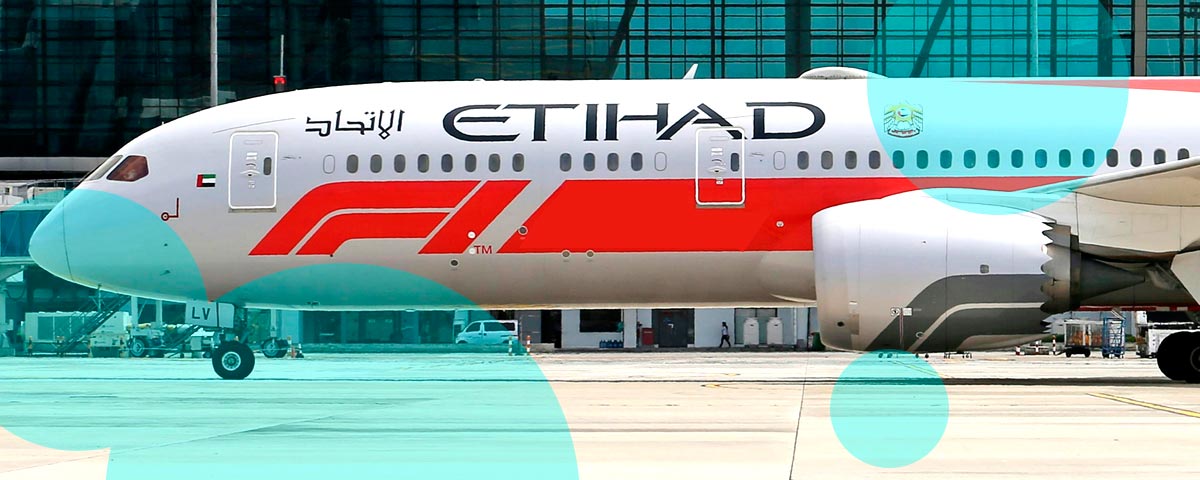
Airlines canceled thousands of flights after U.S. and Israeli strikes on Iran triggered retaliatory attacks and airspace closures across the Middle East.
Major hubs including Dubai, Abu Dhabi and Doha suspended or sharply reduced operations, disrupting global itineraries routed through some of the busiest airports worldwide.
Dubai International ranks second globally by passenger volume. When it slows, ripple effects spread fast. Aviation data firm Cirium reported 1,560 flight cancellations on Monday alone, about 41% of scheduled arrivals in Middle East countries.
Many travelers who purchased travel insurance as a financial buffer now face a harsh clause. Standard policies exclude losses tied to acts of war, military action, political unrest and government-mandated airspace closures.
According to travel experts, missed cruises, prepaid hotels and nonrefundable tours often fall outside reimbursement when conflict drives the disruption.
Typically, war exclusions apply to trip cancellation and trip interruption benefits. That means travelers who cancel before departure or cut short a trip mid-journey may receive no compensation if the cause traces directly to armed conflict.
“There are many situations where travel insurance will not cover you,” said Sally French of NerdWallet.
Policy wording determines outcome. Lauren McCormick of Squaremouth said some plans may cover downstream effects such as travel delay if an airline reroutes due to operational constraints linked to military action. Coverage depends on the benefit category and the trigger defined in the contract.
Limited exceptions exist. Travelers who purchased cancel-for-any-reason or interruption-for-any-reason riders may recover a portion of costs.
These upgrades carry higher premiums and reimbursement caps. Timing rules also apply, often requiring cancellation within a defined window before departure.
President Donald Trump said the conflict could last four to five weeks, possibly longer. Prolonged instability increases the likelihood of additional rerouting, crew displacement and aircraft repositioning.
According to our data, extended airspace restrictions strain airline networks, which then cascade into missed connections and extended layovers far from the conflict zone.
Earlier in 2026, U.S. military actions in Venezuela and Mexico also disrupted regional routes. Insurers price policies around defined perils. When events fall outside those definitions, claims fail.
Experts advise travelers to review policy language closely and retain correspondence with airlines and insurers. War exclusions rarely bend. The fine print decides.