Follow Beinsure
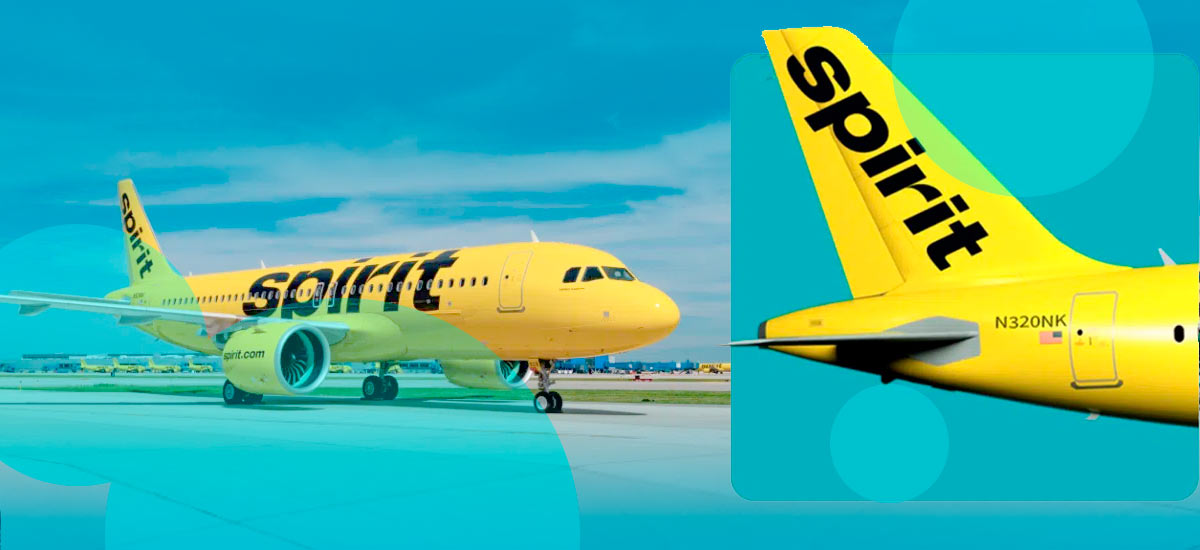
Spirit Airlines announced an immediate shutdown of operations after 34 years in business, ending the run of one of the most recognizable ultra-low-cost carriers in the United States.
The airline canceled all flights, halted customer service operations, and began an orderly wind-down process after running out of viable financing options during its latest bankruptcy restructuring.
Spirit said soaring fuel costs linked to the conflict involving Iran pushed the company beyond recovery. The carrier had already struggled under mounting debt, competitive pressure, and failed merger attempts before oil prices surged again during recent geopolitical tensions.
The shutdown leaves thousands of passengers stranded and threatens roughly 17,000 jobs across flight operations, airport staffing, and corporate functions.
It is with great disappointment that on May 2, 2026, Spirit Airlines started an orderly wind-down of our operations, effective immediately. To our Guests: all flights have been cancelled, and customer service is no longer available. We are proud of the impact of our ultra-low-cost model on the industry over the last 33 years and had hoped to serve our Guests for many years to come.
Spirit Aviation Holdings filed motions in bankruptcy court requesting approval to liquidate assets, modify bankruptcy financing, and begin selling aircraft, spare engines, and operational equipment.
The airline had originally hoped to exit bankruptcy by summer after negotiating debt reductions with creditors. According to court filings, the company’s financial position deteriorated sharply between March and April after fuel expenses climbed nearly $100 mn.
Chief financial officer Fred Cromer said the company made the decision Friday to cease operations because cash reserves had fallen dangerously low. Spirit stopped flying around 3 a.m. Saturday to avoid aircraft and crews being stranded across the network.
The company plans to retain roughly 150 workers initially to oversee liquidation activities before reducing staffing further over the coming months.
Spirit’s collapse marks another major shift across the low-cost airline sector, where rising operating costs, thinner margins, and fierce competition increasingly pressure budget carriers already weakened after the pandemic.
According to Beinsure analysts, airlines operating ultra-low-cost models remain highly vulnerable to fuel volatility because smaller fare margins leave less room to absorb rapid energy price shocks or financing disruptions.
Spirit spent years disrupting US aviation with aggressive discount pricing, no-frills service, and provocative advertising campaigns.
Its bright yellow aircraft became synonymous with budget air travel, even as the airline developed a reputation for operational chaos and passenger frustration.
The company also struggled strategically during the past several years. A proposed merger with JetBlue collapsed after the Biden administration blocked the transaction on antitrust grounds. Spirit later reopened merger discussions with Frontier Airlines, though negotiations failed again.
As financial pressure intensified, the Trump administration reportedly explored a taxpayer-backed rescue package last week. That effort collapsed after resistance from creditors and some Republican lawmakers.
Transportation Secretary Sean Duffy confirmed Saturday that Spirit customers who booked directly through the airline would receive refunds through a reserve fund. Passengers using third-party travel providers would need to seek reimbursement separately.
Duffy also said United, Delta, Southwest, and JetBlue offered limited emergency fares capped around $200 one-way for stranded Spirit customers.
Spirit’s financial decline accelerated after years of losses following the COVID-19 pandemic. By the time the company filed for Chapter 11 protection in November 2024, it had already lost more than $2.5 bn since early 2020.
The airline entered bankruptcy again in August 2025 with roughly $8.1 bn in liabilities against $8.6 bn in assets, according to court filings.
Trump administration officials blamed the Biden administration’s earlier opposition to the JetBlue merger for worsening Spirit’s financial condition. Critics argued regulatory intervention blocked one of the few realistic survival paths available to the airline. Others pointed toward broader economic and geopolitical pressures instead.
Spirit’s downfall also exposes how fragile low-cost airline economics became after the pandemic. Budget carriers depend heavily on aggressive aircraft utilization, low fuel costs, and thin-margin volume growth. Once financing tightened and energy prices surged again, those models started breaking under pressure.