Insured losses from the Jasper wildfire have reached C$1.3bn, according to updated figures released by Catastrophe Indices and Quantification Inc. (CatIQ). The estimate rose by C$80mn since CatIQ’s previous update in January 2025.
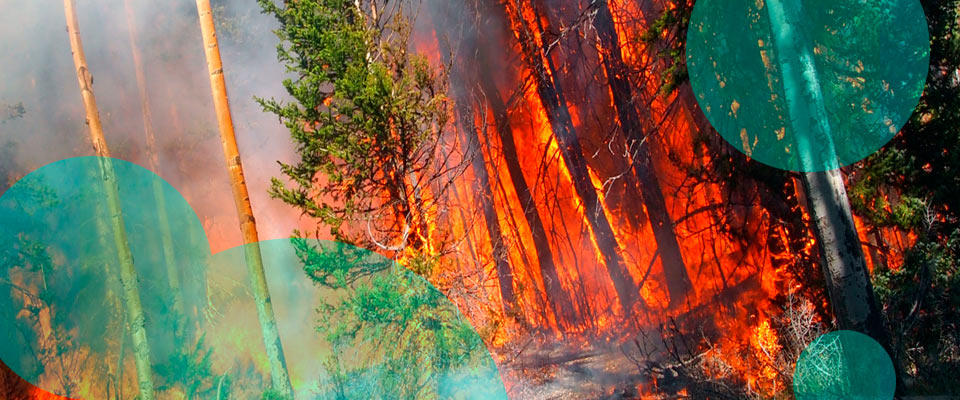
The July 24, 2024 fire destroyed 358 structures in Jasper, Alberta, making it the second-costliest wildfire in Canadian history. One year later, only 56 properties (15%) have received reconstruction approvals, and only two are currently under rebuild.
Aaron Sutherland, VP for the Pacific and Western region at the Insurance Bureau of Canada (IBC), said many residents remain in permitting stages, but insurers will continue supporting policyholders until every claim is resolved.
The federal government has committed up to $5mn to cover unanticipated costs tied to soil testing and removal, which has delayed several reconstruction efforts.
Sutherland described the move as “positive” and critical to getting work started on the ground.
Insurers have been actively supporting recovery efforts since the start of the fire. In addition to claim settlements, insurers funded and managed the removal of 2,300 fridges and freezers that were rendered unusable due to prolonged power outages during the evacuation.
This bulk debris-removal program concluded in April and was designed to streamline cleanup and reduce financial burdens for residents.
The Jasper event is part of a broader trend. Severe weather in 2024 caused over $9.2bn in insured losses across Canada—the highest annual total on record.
That includes more than 228,000 claims and over $8bn in summer damage alone. The previous estimate in January stood at $8.5bn.
These escalating losses are increasing pressure on insurance premiums in Alberta and nationwide. The IBC emphasized the growing need for coordinated resilience efforts.
Insurers and industry leaders are calling on federal and provincial governments to implement stronger protections against extreme weather events.
Key recommendations include:
- Ending construction of homes and businesses in high-risk wildfire and flood zones
- Increasing investment in FireSmart programs and community flood protections
- Expanding homeowner education on regional risk profiles
- Providing financial support for property retrofits to reduce exposure
IBC also reiterated the need for a federal emergency coordination agency—something every other G7 country already has in place.
Such a body would streamline disaster preparedness and recovery strategies across jurisdictions, eliminating the need for ad hoc local responses.