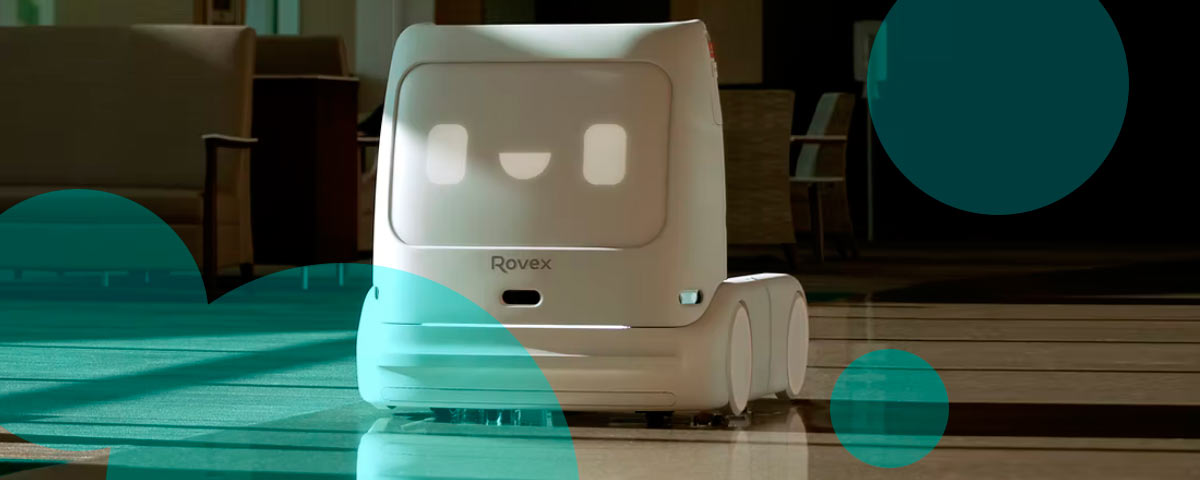
BayCare Health System, a not-for-profit health care organization based in Florida, partnered with Rovex, a Florida-based robotics startup building autonomous mobile robots to automate in-hospital patient transport and logistics, to explore automation across hospital logistics.
The pilot programme will run at Morton Plant Hospital, focusing on operational workflows and patient transport processes.
The project starts with a structured evaluation phase. Teams will analyse existing workflows, transport routes, and operational bottlenecks across the facility.
Robots will not move patients during this stage, as the focus remains on mapping processes and identifying where automation fits best. Later phases plan to introduce robotic stretcher transport under controlled conditions.
Craig Anderson said the partnership reflects a push to shape how robotics fits into healthcare environments. He pointed to the opportunity to introduce advanced technology while improving service delivery across the system.
Hospital logistics often create pressure points across operations. Patient transport delays affect scheduling, imaging workflows, and overall throughput.
These disruptions also increase physical strain on staff handling repetitive movement tasks throughout the day.

BayCare Health System operates an extensive network of hospitals, outpatient facilities, and specialty centers serving communities across the Tampa Bay and West Central Florida regions. Known for its community-based mission, BayCare emphasizes quality, accessible care and preventive health initiatives.
David Crabb said his experience as an emergency physician highlighted how often clinicians shift away from patient care to handle operational duties. Rovex focuses on using robotics to reduce that burden and return time to clinical teams.
The pilot targets these inefficiencies directly. Automating transport workflows could reduce delays, improve coordination, and limit physical strain across staff.
According to Beinsure analysts, healthcare systems increasingly test automation in operational layers before expanding into clinical applications.
BayCare stated the technology is intended to support staff rather than replace roles. Reducing workload pressure allows care teams to focus more on patient interaction and clinical responsibilities.
Chris Bucciarelli said the pilot provides a controlled environment to study robotics in real hospital settings. Insights from the programme could inform broader adoption strategies across healthcare systems, shaping how facilities design workflows that support both staff and patients.