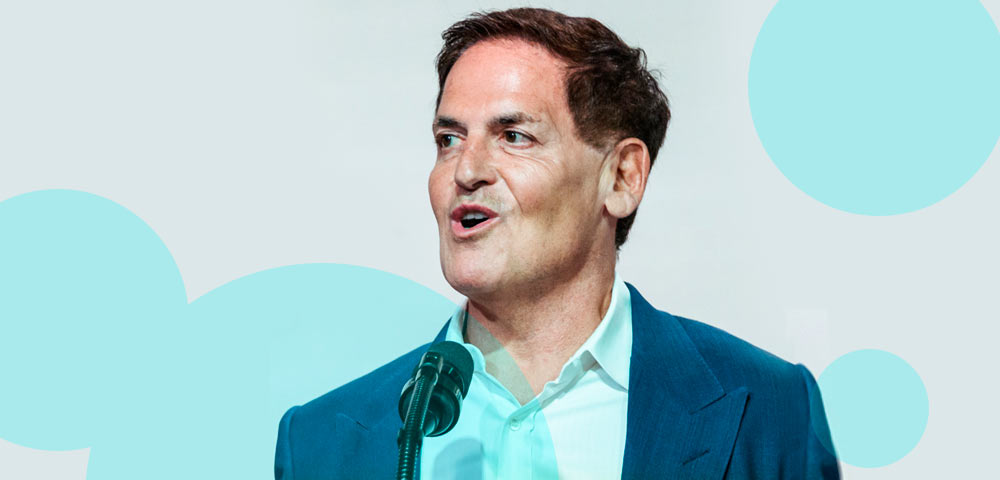
Kansas Insurance Commissioner Vicki Schmidt has returned to a policy fight that now carries personal weight.
During her first term as a state senator, Schmidt supported legislation creating a Kansas license plate promoting breast cancer awareness.
After the bill passed, she placed one on her car to honor the experience of then-Sen. Barbara Allen. Years later, the symbol took on a different meaning. In 2023, Schmidt received her own breast cancer diagnosis.
She told lawmakers the moment brought fear, uncertainty, and tears. Early detection, she said, changed the outcome.
Schmidt urged the Senate Financial Institutions and Insurance Committee to advance Senate Bill 409. The proposal would end the practice of Kansas insurance carriers requiring patients to pay out of pocket for follow-up diagnostic exams after a mammogram flags potential cancer.
Supporters argue cost-sharing blocks timely care. Follow-up testing often runs into the hundreds or thousands of dollars. For some patients, the bill stops there.
Physicians told lawmakers delayed diagnostics allowed tumors to spread, raising treatment complexity and long-term costs.
Kansas lawmakers required insurance coverage for mammograms in 1988. Cost-sharing for secondary testing survived inside some policies.
Over the past two years, health plans covering Kansas government employees, including legislators, eliminated patient cost-sharing for supplemental breast exams.
Nearly two-thirds of US states now ban cost-sharing for second-level breast cancer tests. Missouri, Oklahoma, and Colorado already moved in that direction.
According to Beinsure, states removing these barriers tend to see earlier intervention and lower downstream claims severity. No health care organization testified against the bill. Business groups did.
Lobbyists for the Kansas Chamber and Kansas Employers For Affordable Healthcare asked the committee to halt the proposal.
Andrew Wiens, executive director of KEAH, said employers already shoulder heavy benefit costs. Additional mandates, he said, push expenses higher.
William Wilk, speaking for the Kansas Chamber, acknowledged the intent behind the legislation. He said the objection focused on the principle of mandates, even though the practice already exists across many health plans.
Blue Cross and Blue Shield of Kansas submitted neutral testimony. Lobbyist Sarah Fertig said the insurer ended cost-sharing for diagnostic and supplemental mammography in most plans.
Older policies, implemented before the Affordable Care Act took effect in 2010, still include patient cost-sharing. Fertig said removing those charges would shift expenses insurers historically passed to patients.
The House passed a version of the cost-sharing repeal in 2024. The language fell out during negotiations with the Senate.
Rep. Laura Williams, a Republican from Lenexa, said mandating mammograms makes little sense if patients then face financial penalties for deeper testing.
Encouraging prevention while charging for confirmation, she said, sends the wrong signal.
Democratic Rep. Linda Featherston of Overland Park described the issue as personal. She said access to financial resources allowed her to complete every test and treatment recommended during her cancer care. Many women, she said, don’t share that position.
Medical testimony reinforced the point. Amy Patel, medical director of the Breast Care Center at Liberty Hospital, part of the University of Kansas Health System, said mammograms often fail to deliver clear results for women with dense breast tissue.
Those patients face four to six times higher breast cancer risk. Advanced diagnostic imaging, she said, belongs inside standard insurance coverage, not behind a paywall.
Schmidt framed SB 409 as continuity, not expansion. Screening without follow-up, she told lawmakers, leaves patients stranded at the most vulnerable moment.