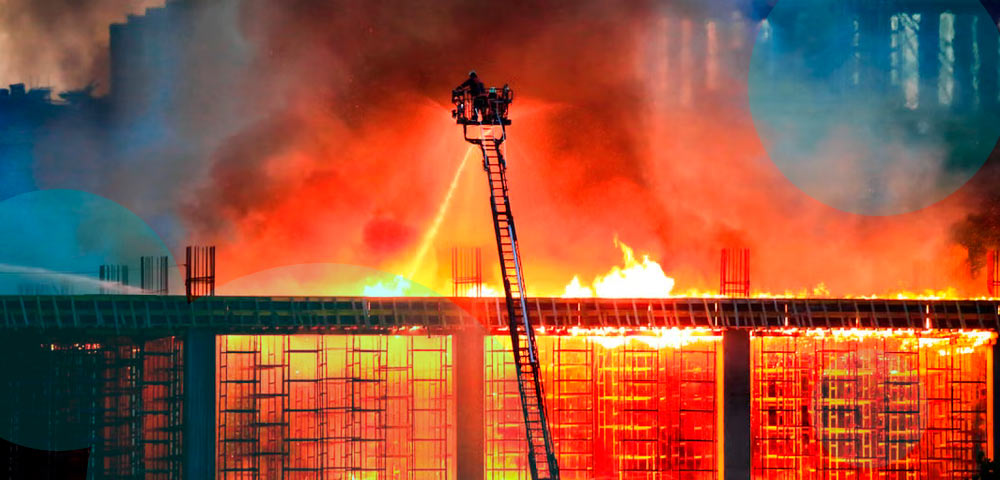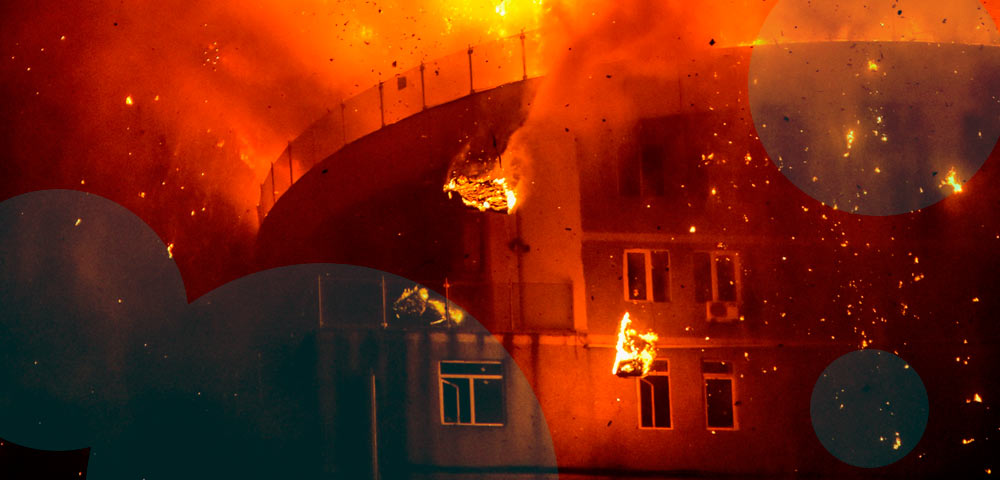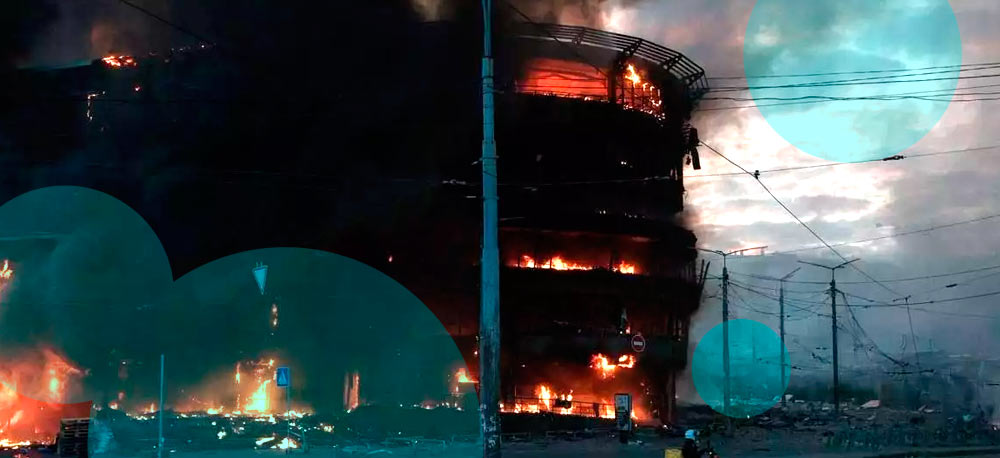
The January 2025 wildfires in Los Angeles turned into an unplanned stress test for how insurers measure wildfire risk, according to analysis from Delos Insurance Solutions.
Insurers have paid more than $22.4 bn on wildfire claims tied to the Los Angeles wildfires that erupted on Jan. 7 last year, according to figures released by the California Department of Insurance.
Two major fires, Palisades and Eaton, destroyed more than 16,000 structures during intense Santa Ana wind conditions. A third blaze, Sunset, ignited nearby under nearly the same regional weather pattern.
It burned roughly 40 acres and was contained within hours. Same season. Same region. Very different outcomes, according to Risk & Insurance report.
Delos says the divergence had little to do with chance. Weather mattered, but it wasn’t decisive. The difference came from fire physics and landscape conditions.
Palisades and Eaton ignited inside large, continuous fuel blocks on steep terrain that hadn’t burned in decades. Mature vegetation produced heavy ember loads. Fire lines expanded faster than crews could contain them.
Kevin Stein, CEO of Delos Insurance Solutions, said the lesson was blunt. Wildfire risk isn’t defined by whether ignition happens. It’s defined by whether the landscape allows a fire to accelerate beyond control.
Stein said Delos built its wildfire risk model to separate those outcomes, a distinction he said matters for communities, insurers, and coverage access.
Delos argues risk assessment needs to move away from ignition probability and parcel-level snapshots. The real question sits upstream. Does the surrounding landscape support fires that escape initial attack and turn into urban disasters.
According to Beinsure, that framing aligns more closely with loss behavior seen in recent California fire seasons.
Two other Los Angeles County fires reinforced the point. Kenneth and Hurst ignited under difficult conditions and still caused no structure losses.
Both burned through terrain already scarred by multiple fires over the past 20 years. Reduced shrub height and thinner tree cover limited ember generation and gave suppression crews time to work. Prior fire history, in this case, acted as a brake rather than a predictor.
Delos says these outcomes expose blind spots in many wildfire models used across the insurance market. Traditional approaches often lean on historical burn frequency or property-level characteristics.
Those inputs miss operational factors that determine whether a fire stays manageable or runs away.
The implications stretch beyond underwriting theory.
Delos analysis suggests about 50% of properties currently insured through California’s FAIR Plan could qualify for private market coverage under more precise risk evaluation.
According to our data, misclassification at scale remains one of the drivers behind market withdrawal.
Mitigation lessons from the January fires also cut against one-size-fits-all thinking. Along the wildland urban interface, where large fuel blocks dominate, once a fire reaches scale, structure-to-structure spread takes over. Individual parcel upgrades lose effectiveness at that stage.
Edge properties matter more than most people think. Well-hardened homes on the perimeter can interrupt ember-driven ignition and slow inward spread.
Unprotected edge structures often do the opposite. They become ignition points that pull losses deeper into neighborhoods.
In lower-density developments and moderate baseline risk areas, structure-level ember mitigation delivers stronger returns.
Measures like screened vents, guarded gutters, enclosed eaves, and noncombustible ground cover show measurable impact when fires haven’t yet crossed into runaway behavior.
Delos says underwriting needs to separate dangerous fires from catastrophic ones. Models that capture fuel continuity, ember production, access, and suppression feasibility do more than manage loss ratios.
They widen availability, reduce dependence on public backstops, and help restore function in an insurance market under pressure.