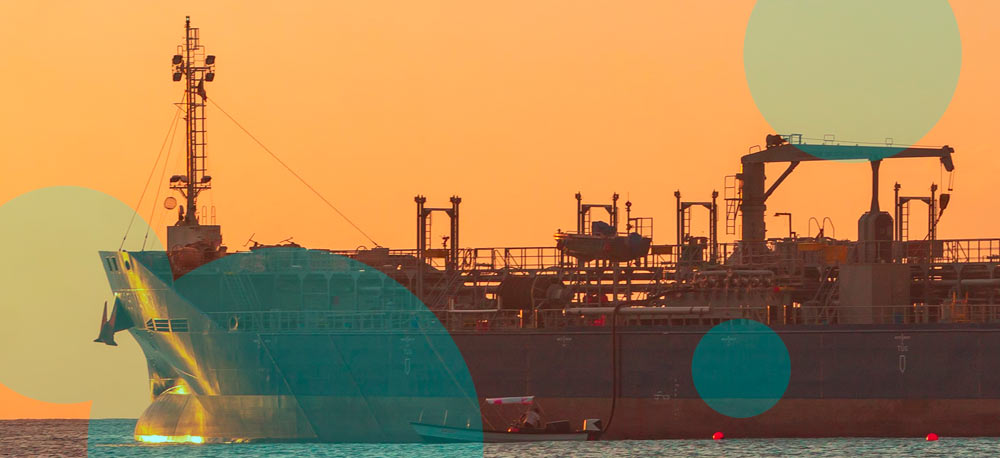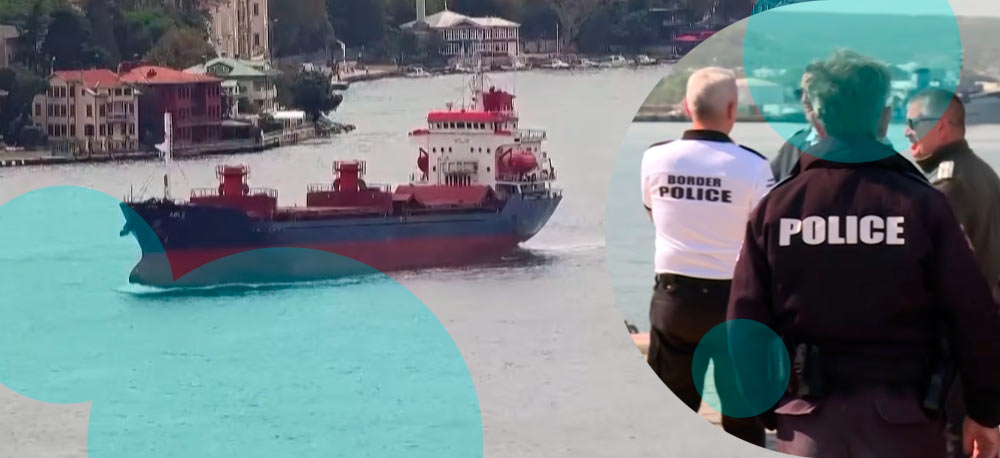
Lloyd’s has welcomed a new market consortium built to provide extra marine war risk insurance capacity for vessels and cargo moving through the Strait of Hormuz.
Chubb will lead the consortium as lead underwriter. Participating Lloyd’s syndicates and specialist market partners will add capacity and underwriting expertise for brokers and clients operating in a volatile Middle East risk environment.
The consortium will write primary policies for vessels and cargo, according to Beinsure. It will provide up to $200 mn of capacity for hull and P&I risks separately, plus another $200 mn in dedicated cargo capacity.
The new structure gives brokers a faster route into marine war risk cover at a time when transit through the Strait of Hormuz carries heightened security, sanctions and operational concerns. For shipowners, cargo interests and insurers, the issue is practical: coverage needs to keep pace with vessel movements, not arrive after the risk has already shifted.
Chubb CEO Evan Greenberg said the insurer is working to provide coverage and organise capacity as vessels move through the Strait of Hormuz. He said the consortium gives brokers and clients a simpler route to cover and shows how insurance underpins global commerce during periods of disruption.
As a global leader, Chubb is actively working to provide coverage and organise needed capacity as vessels begin moving through the Strait of Hormuz. We are proud to lead this consortium, which provides our brokers and clients with a simple, efficient solution to their insurance needs while highlighting the importance our industry plays in supporting global commerce.
Evan Greenberg, CEO of Chubb
Lloyd’s Chief Executive Patrick Tiernan said the launch will expand the range of marine war risk solutions available to brokers and clients responding to conditions in the Middle East.
He said Lloyd’s will work with Chubb and participating syndicates to mobilise specialist capacity for ships, crews and cargo moving through the Strait.
Lloyd’s will work closely with Chubb and participating syndicates to help mobilise additional specialist capacity swiftly and responsibly in support of ships, crews and cargo moving through the Strait of Hormuz. This is a clear example of the Lloyd’s market’s role in bringing together specialist underwriting expertise, claims capability and global market capacity to support the resilience of marine supply chains.
Patrick Tiernan, Chief Executive of Lloyd’s
According to Beinsure, the consortium brings together underwriting expertise, claims capability and Lloyd’s market capacity in one structure. The aim is to give brokers clearer access to war risk cover for marine supply chains exposed to the Strait of Hormuz.
The consortium is expected to become available to brokers and clients from 19 June 2026. Access will depend on underwriting criteria, sanctions screening and applicable regulatory requirements.
Brokers will place cover through standard market channels. Each risk will still go through individual assessment, with policy terms, conditions and exclusions set case by case.
Marine war risk insurance covers selected war, terrorism, piracy and related perils affecting vessels and cargo, depending on the wording of the relevant policy.
Any cover written through the consortium remains subject to sanctions, export controls and legal or regulatory restrictions. That condition matters in Strait of Hormuz placements, where geopolitical risk, shipping routes and compliance checks move together.
Ships attempting to cross the Strait of Hormuz now face war risk insurance costs up to 4,000 times higher than before the crisis, as maritime traffic remains limited and highly dangerous.
Dozens of vessels have crossed the strait in recent weeks, sometimes with U.S. military guidance and helicopter escorts. Industry experts say those movements remain exceptional and do not represent a return to normal navigation.
Reports suggest between 30 and 70 vessels have passed through the strait since early May. Those ships still faced the risk of Iranian sea mines, missiles, drones, fast-attack boats, attempted boardings, and detention.
Analysts warned that escorted crossings cannot replace a free and open waterway. The Strait of Hormuz remains one of the world’s most important energy chokepoints, and partial transit does not restore full commercial confidence.
In April, the US International Development Finance Corporation, or DFC, and Chubb said six more American insurers have joined the Maritime Reinsurance plan. The new partners are Travelers, Liberty Mutual, Berkshire Hathaway, AIG, Starr, and CNA.
The expansion adds another $20 bn in support on top of DFC’s existing $20 bn in rolling coverage. With Chubb and the added insurers now in place, the facility reaches $40 bn in total capacity.
The program is built to carry out President Donald Trump’s directive to help restore maritime trade through the Strait of Hormuz, support international commerce, and back American and allied businesses operating in the Middle East during the conflict with Iran.
DFC chief executive officer Ben Black said the agency is pleased to add Travelers, Liberty Mutual, Berkshire Hathaway, AIG, Starr, and CNA as reinsurance partners in the joint $40 bn facility.