Follow Beinsure
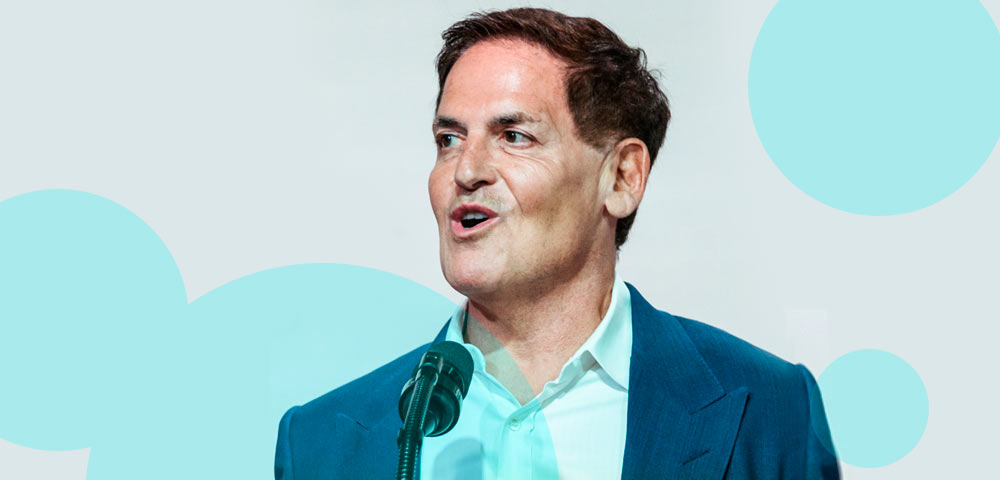
Billionaire entrepreneur Mark Cuban has warned that rising healthcare and health insurance costs could threaten more American jobs than artificial intelligence, challenging the growing assumption that automation will be the primary driver of future layoffs.
Cuban argues that businesses already face substantial expenses associated with providing healthcare coverage, influencing hiring decisions before companies consider replacing employees with AI systems.
- Mark Cuban argues that rising employer healthcare costs could lead to more layoffs and reduced hiring than artificial intelligence.
- Cuban estimates that healthcare coverage and medical expenses cost companies approximately $30,000 per family annually, making healthcare one of their largest operating expenses.
- The warning adds to growing concerns about health insurance affordability, insurer consolidation and the financial pressure of providing employee benefits.
It costs them $30k per family, per year for premiums and care. Much of that spending flows to vertically integrated insurance companies that combine health insurance, pharmacy benefit management and other healthcare services within the same corporate structures.
Mark Cuban
Cuban also criticized the limited scrutiny companies give to their healthcare spending, arguing that employers frequently receive insurance bills without sufficiently reviewing the underlying charges.
Healthcare is “usually the 2nd largest expense after payroll,” Cuban said, describing the scale of the burden as “insane.”
His central argument is that rising employee benefit costs can encourage employers to reduce headcount, freeze recruitment or reconsider expansion plans even when demand for their products and services remains unchanged.
“It’s far easier to blame AI than it is to blame Healthcare costs,” Cuban wrote.
Healthcare costs could influence hiring decisions
Cuban reinforced his position in September 2026, arguing that the effect of healthcare expenses on employment could outweigh the near-term impact of artificial intelligence.
I hope people realize that for the foreseeable future, the cost of healthcare benefits will get more people fired, or not hired, than AI
The warning highlights the importance of employer-sponsored health insurance in the US labor market, where companies typically contribute toward medical coverage as part of employee compensation.
For businesses, the total cost of hiring includes wages, payroll taxes, health benefits and other expenses. Increases in insurance premiums can therefore raise employment costs even when salaries remain unchanged.
The pressure may be particularly significant for employers with large workforces or substantial family health insurance obligations.
Cuban’s $30,000 estimate is broadly consistent with national employer-sponsored insurance data, although the figure should not be interpreted as the average amount paid entirely by employers.
According to KFF’s 2025 Employer Health Benefits Survey, average annual premiums for employer-sponsored family coverage reached $26,993, an increase of 6% from the previous year.
Workers contributed an average of $6,850 toward those premiums, with employers covering the remaining amount. Average family premiums have increased 26% since 2020.
The figures illustrate the scale of healthcare expenses, although they do not independently establish that rising insurance costs are responsible for more job losses than AI.
Cuban criticizes large health insurance groups
Cuban has repeatedly challenged the structure of the US healthcare industry, particularly the concentration of insurance, pharmacy benefits and healthcare services within large corporations.
Vertical integration can make healthcare pricing more difficult for employers to understand and potentially reduce competitive pressure.
His criticism extends beyond the cost of insurance premiums to the administrative complexity of managing employee healthcare benefits.
Cuban has also supported legislative efforts to restrict certain forms of ownership across the healthcare industry, including proposals aimed at separating insurance companies, pharmacy benefit managers and healthcare providers.
His involvement in healthcare includes co-founding Cost Plus Drugs, which seeks to lower prescription medication prices through a more transparent pricing model.
However, rising medical costs have several contributing factors, including hospital prices, utilization of healthcare services, prescription drug spending and administrative expenses. Insurer consolidation is one part of that broader debate.
AI remains a separate source of employment and infrastructure costs
Cuban’s argument comes as employers increasingly evaluate how artificial intelligence could change staffing requirements, productivity and operating expenses.
AI is already influencing workforce planning in technology and other industries, but its long-term effects on employment remain uncertain.
The technology also requires substantial investment in computing infrastructure. AI data centers depend on significant electricity supplies, driving demand for additional generation capacity, particularly in markets such as Texas.
Those infrastructure requirements represent a separate financial challenge for companies investing in AI adoption.
Cuban’s warning is that healthcare costs represent a more immediate and established expense for employers, potentially affecting staffing decisions regardless of whether businesses deploy advanced AI systems.
His comparison between healthcare costs and artificial intelligence remains a forecast rather than a demonstrated ranking of the causes of US job losses. Nevertheless, continued increases in employer-sponsored insurance premiums could intensify pressure on wages, recruitment and workforce budgets.