Follow Beinsure
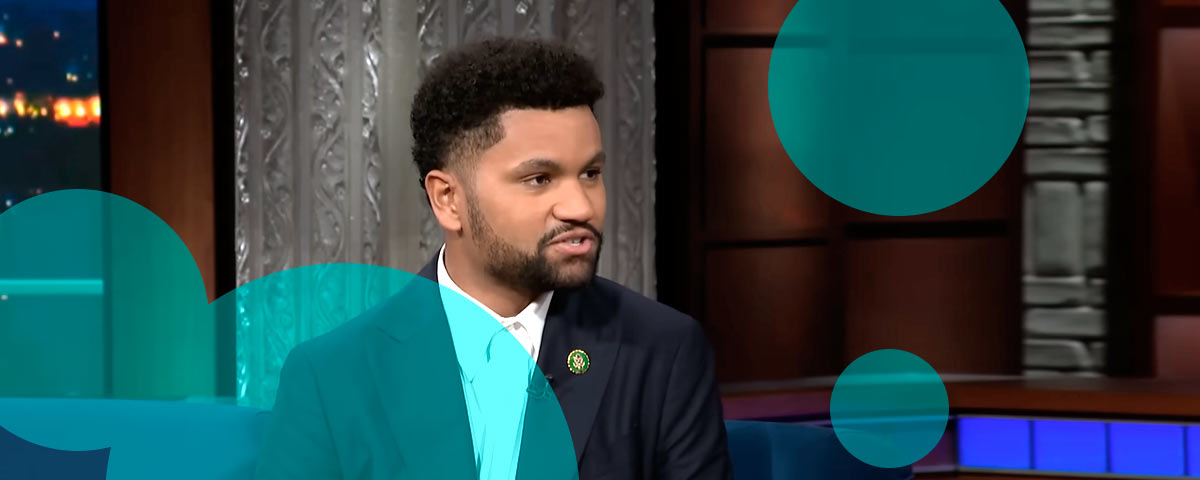
Rep. Maxwell Frost wants answers. The Florida Democrat pressed state leaders to disclose how Citizens Property Insurance Corp. designed its arbitration requirements, saying the process gives the state-run carrier an upper hand, according to BestWire.
The freshman congressman, representing Florida’s 10th District, sits as ranking member on the House Subcommittee on Economic Growth, Energy Policy and Regulatory Affairs.
He argues Citizens’ customers face a different reality than those insured by private carriers. Instead of challenging a denied claim in state courts, they’re forced into the Florida Division of Administrative Hearings. This tribunal, Frost noted, sided with Citizens in nearly every case brought in 2024.
The structure comes from House Bill 799, a law enacted in 2023. The legislation didn’t stop at arbitration; it bundled in language on flood coverage and condo insurance offered by Citizens.
Frost wants to see the full paper trail—conversations behind the bill, governor’s office statements, lists of consulted parties, and communications from the Office of Insurance Regulation about endorsements requiring arbitration.
He also asked for every arbitration case handled by DOAH, plus their results.
Citizens, though, defends the setup. Michael Peltier said the DOAH isn’t some novelty—it’s been used for disputes by agencies and government arms for over fifty years. Any claim doesn’t land in DOAH overnight, he said. At least six layers of internal review come first.
This is an important benefit to both parties because shorter cases cost less in attorney fees and policyholders get an answer on their claim much faster.
Michael Peltier
According to Peltier, DOAH rulings land quickly. Average resolution takes under 90 days. Compare that with nearly two years in state courts, he said, and the benefit feels obvious. Cheaper attorney fees, faster answers, less stress on policyholders.
He also pointed to settlement numbers. Roughly 90% of disputes never make it to a final hearing, because both sides strike deals.
One-third of those agreements go in the policyholder’s favor. Many cases, he added, collapse when attorneys drop them. Either the evidence doesn’t hold up or it falls apart right at the hearing.
Citizens calls this fair. Frost doesn’t buy it. The clash now drags HB 799 back into the spotlight, with lawmakers, regulators, and attorneys all waiting to see what surfaces from his records request.