Follow Beinsure
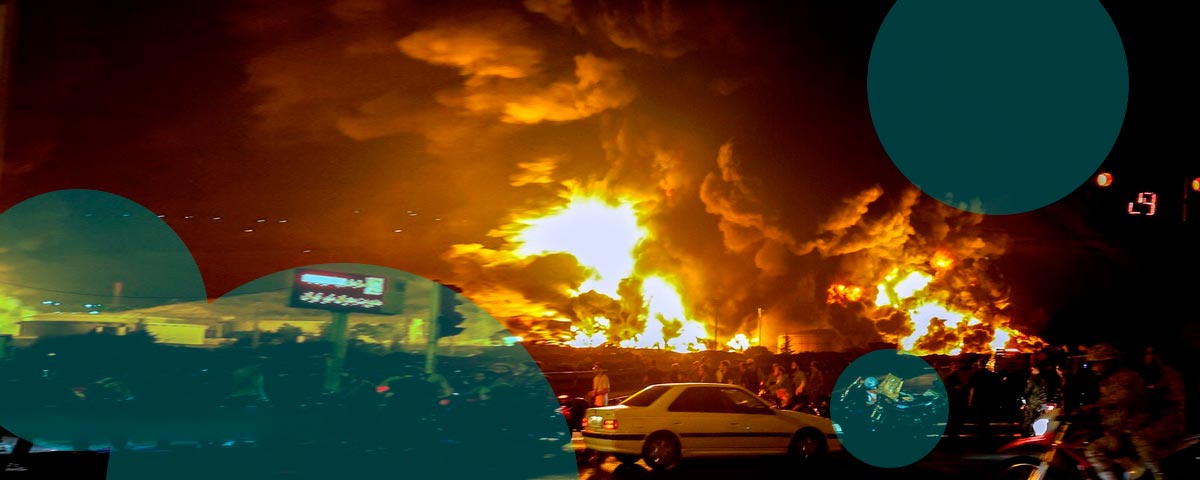
S&P Global Ratings signaled the reinsurance sector holds sufficient capital to absorb losses stemming from the sharp escalation of hostilities across the Middle East.
The agency warned, though, that groups with wide geographic reach and material specialty exposure in the region will feel the strain first.
Over the weekend, strikes and retaliatory attacks intensified across Iran, Israel, Iraq, Jordan, Cyprus and several Gulf Cooperation Council states. Airports closed. Shipping lanes slowed. Destruction spread across civilian and industrial sites.
“The human toll continues to rise, and the economic disruption is already material,” S&P said in its latest report.
Maritime trade faces mounting pressure, with renewed focus on the Strait of Hormuz, the corridor handling about 20% of global crude oil and seaborne natural gas volumes.
Market participants weigh the risk of a shutdown. Even partial disruption lifts freight rates and war-risk premiums fast.
S&P expects sizable insured losses. The agency also stressed the range of outcomes remains wide. Duration, geographic spread and escalation patterns will determine the final bill.
According to our data, loss development in geopolitical events rarely settles quickly. Claims reporting can stretch over months as damage assessments, liability questions and coverage disputes surface.
The agency noted the global reinsurance market entered 2026 with considerable capital strength. Solid underwriting margins and firm investment income supported balance sheets through prior renewal cycles.
Capital adequacy, in S&P’s view, remains a defining credit strength even under severe stress scenarios tied to geopolitical shocks.
Pressure points sit in specialty lines. Marine, aviation, energy, political violence, terrorism and cyber face elevated volatility. Property risks in affected territories add to the mix.
Policies covering trade credit and supply chain interruption introduce secondary loss channels.
Marine underwriters have already begun cancelling war-risk coverage applicable to the conflict zone, including the Persian Gulf and nearby waters.
Reinsurers with diversified international books and meaningful participation in Middle Eastern specialty markets carry higher exposure to aggregation risk.
We think retrocession capacity and event definitions will matter as losses crystallize.
According to Beinsure analysts, reinsurers with disciplined exposure management and conservative catastrophe budgets enter this phase better positioned than peers chasing top-line growth in specialty segments.
S&P closed with a clear caveat. Uncertainty remains high regarding scope, duration and economic fallout.
Credit outcomes will hinge on how long the conflict persists and whether energy and trade disruption intensify. Capital looks steady for now. The path ahead isn’t fixed.