Follow Beinsure
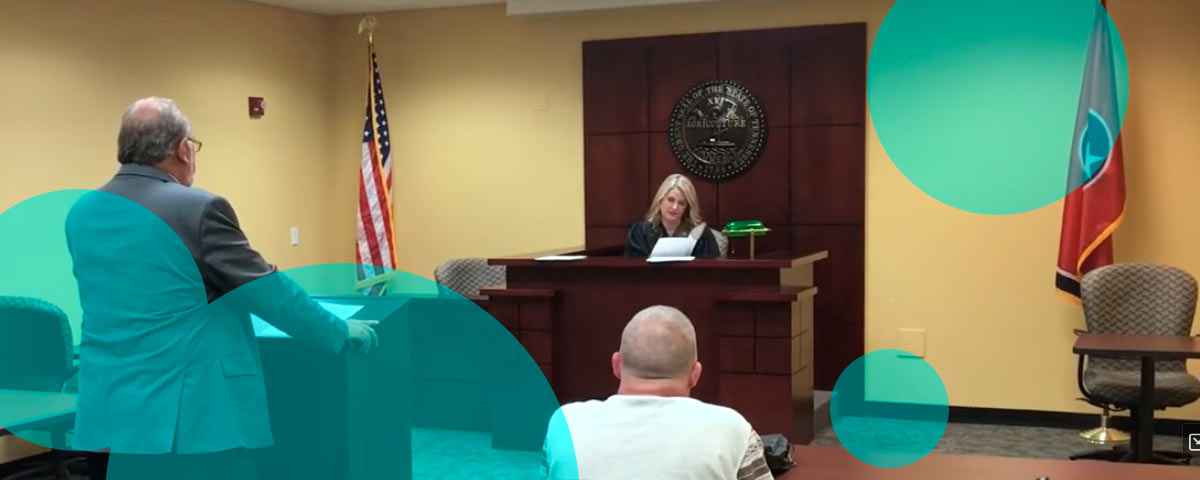
The Workers’ Compensation Appeals Board decides appeals of Orders issued by judges of the Court of Workers’ Compensation Claims. The Workers’ Compensation Appeals Board is comprised of three judges appointed by the Governor and is separate from the Court of Workers’ Compensation Claims.
The Appeals Board’s mission is to provide all employers and employees of Tennessee fair, accurate, and meaningful review of decisions rendered by the Court of Workers’ Compensation Claims.
The Appeals Board reviews cases with dates of injury on or after July 1, 2014.
Tennessee Workers’ Compensation Appeals Board upheld a decision denying further medical treatment and temporary disability benefits to a public-sector worker who tied multiple conditions to a workplace fall.
The case stems from a June 2022 accident involving Bennie Anderson, a knuckle-boom truck driver for the City of Knoxville Department of Recreation.
Anderson slipped while exiting his truck, landed on his feet, then hit the ground. The city accepted the injury as compensable and covered treatment and temporary disability tied to his neck, back, and shoulders, according to Anderson, Bennie v. City of Knoxville Department of Recreation.
Authorized physicians pursued conservative care. Imaging, physical therapy, no surgery. Diagnostic reviews pointed to degenerative findings, not acute trauma.
One physician reported no surgical pathology. Another described Anderson’s pain complaints as exceeding what the imaging supported and declined to recommend surgical intervention.
Doctors later placed Anderson at maximum medical improvement and cleared him to return to work. One physician assigned a 4% whole-person impairment rating related to a cervical spine condition. That conclusion didn’t sit well.
Anderson then sought what the ruling described as unauthorized medical care. He requested additional benefits for gastroparesis, hypertension, seizures, and a hernia, arguing the conditions flowed from the workplace fall.
The city pushed back, denying responsibility and pointing to both a lack of medical causation and Anderson’s MMI status.
An expedited hearing followed. The Court of Workers’ Compensation Claims concluded Anderson was unlikely to succeed at trial.
The judge found he failed to produce expert medical testimony connecting the additional conditions to the original injury.
The Appeals Board agreed. In a memorandum opinion, the panel stressed a recurring point in workers’ compensation disputes: an employee’s testimony alone doesn’t establish medical causation. Without expert support, claims like these don’t clear the bar.