- United Airlines outage affects aircraft weight and flight planning systems
- Why aircraft weight calculations are critical to flight safety
- United Airlines flight delays and operational impact
- Previous United Airlines Unimatic outage delayed more than 1,000 flights
- FAA nationwide ground stop adds pressure on US aviation systems
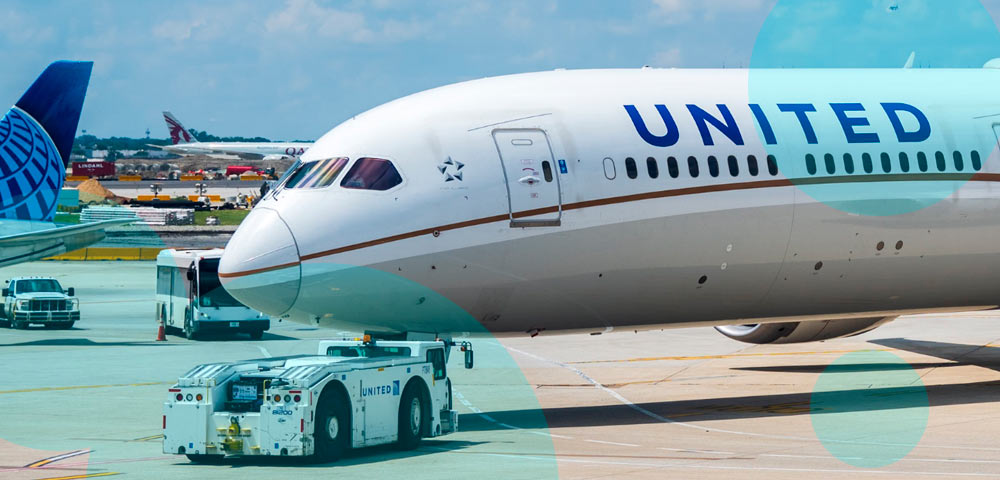
United Airlines experienced a widespread technology outage on November 16, 2026, delaying departing flights at US airports after pilots lost access to critical flight information, including aircraft weight and takeoff performance data.
The Chicago-based airline restored its systems approximately one hour and 40 minutes after pilots first reported problems to air traffic controllers. United said the underlying technology disruption lasted about 30 minutes and affected fewer than 150 flights.
- United Airlines temporarily halted departures on November 16 after a system outage affected flight planning, aircraft weight calculations and crew applications.
- The airline said fewer than 150 flights were directly affected, with no disruption to airborne aircraft or United Express services.
- The incident followed a nationwide FAA ground stop on November 13, raising further concerns about the reliability of US aviation technology infrastructure.
Flights already airborne and services operated by United Express were unaffected. The airline also said there was no indication that the incident involved a cybersecurity breach.
We have resolved a technology issue that delayed flight departures. While some flights were delayed, there was no impact on flights in progress, or on United Express flights.
United Airlines
The disruption occurred three days after a separate Federal Aviation Administration (FAA) systems failure triggered a nationwide ground stop, causing extensive cancellations and delays across the US aviation network.
United Airlines outage affects aircraft weight and flight planning systems
The November 16 outage affected several applications used by United flight crews, including flight planning, weather briefing, crew management and communications systems.
According to an internal company alert, pilots were instructed not to log out of certain applications because they might be unable to regain access. Crews unable to retrieve flight plans were advised to contact dispatchers and request the documents by email.
Pilots also reported difficulties obtaining final aircraft weight information, which is required to calculate safe takeoff performance.
Air traffic control recordings captured a United Airlines pilot preparing to depart El Paso for Denver explaining that the crew was waiting for final weight calculations because of a company-wide system outage.
Other crews reported similar problems. One passenger said a pilot announced that the aircraft could not obtain the performance data required for departure. The crew considered carrying out calculations manually before the system became available again.
The Air Line Pilots Association, which represents United pilots, confirmed that multiple pilot-facing applications had been affected, including messaging and crew communications tools.
The union said the outage also interfered with the airline’s ability to provide final aircraft weight information. Pilots were directed to follow established flight operations procedures while the union worked with management to assess the disruption.
The FAA confirmed that the problem originated with United Airlines rather than federal air traffic control equipment.
Why aircraft weight calculations are critical to flight safety
Before departure, pilots must establish whether an aircraft can safely take off under prevailing runway and weather conditions.
Performance calculations incorporate the aircraft’s total weight, including passengers, baggage, cargo and fuel. They also determine operating parameters that crews use during takeoff and subsequent phases of flight.
Modern aircraft rely on electronic performance systems to process this information and transfer relevant data into onboard computers.
Although pilots historically performed weight and balance calculations manually, airlines now depend heavily on integrated software to produce and distribute the information.
United Airlines flight delays and operational impact
United acknowledged the outage shortly before 5 p.m. Eastern Time, initially describing it as a widespread system problem affecting departing flights.
The airline subsequently confirmed that its technology systems had been restored and apologized to passengers for the inconvenience.
FlightAware recorded approximately 600 delayed United flights by Monday evening, although it was unclear how many delays were directly attributable to the outage.
United separately reported that fewer than 150 flights had been affected by the technology problem.
Passengers described aircraft remaining at gates or returning from taxiways after crews were unable to complete preflight procedures.
One traveler on a United flight bound for Hong Kong reported that the crew initially considered using manual performance calculations. A later announcement confirmed that the systems had returned online, allowing preparations for departure to resume. Other airlines did not appear to experience disruptions from United’s internal technology failure.
Previous United Airlines Unimatic outage delayed more than 1,000 flights
The November incident followed another significant United Airlines systems failure in August 2025, when an outage involving the carrier’s Unimatic platform temporarily grounded aircraft at major US airports. That disruption delayed more than 1,000 flights.
Unimatic stores operational flight information distributed to other airline systems, including applications involved in weight and balance calculations and flight-time tracking.
United did not confirm whether the November 16 disruption involved Unimatic or the same technical components affected in August 2025.
The airline also did not disclose the underlying cause of the latest outage.
FAA nationwide ground stop adds pressure on US aviation systems
The United Airlines disruption occurred as US airlines were recovering from a separate nationwide ground stop ordered by the FAA on November 13.
The earlier incident halted air traffic across the country for more than four hours and caused widespread flight cancellations and delays.
Airlines spent the following weekend repositioning aircraft, crews and luggage as operations gradually returned to normal.
Transportation Secretary Sean Duffy said maintenance work on aging telecommunications infrastructure was being investigated as a possible cause of the FAA disruption.
Contractor L3Harris had been carrying out work to replace copper telecommunications lines with fiber-optic connections at an FAA facility.
Officials also examined a malfunction involving a newly installed router that reportedly overwhelmed part of the air traffic control communications network.
Duffy said investigators had found no evidence suggesting that the nationwide outage resulted from a cyberattack or other malicious activity.
The FAA incident and United’s subsequent technology failure were separate events, with no evidence establishing a technical connection between them.
The aviation disruptions coincided with other major US technology problems. On November 16, JPMorgan Chase experienced an issue that delayed banking transactions and affected access to accounts at several financial institutions.
Microsoft also reported a significant Outlook service disruption the previous week, with the company confirming that services had been fully restored by November 14.
For United Airlines, the immediate disruption ended after its systems were restored on November 16. The airline has not publicly identified the technical fault responsible for the failure or confirmed whether it was connected to its earlier Unimatic outage.